

For smallholder farmers across Africa and Southeast Asia, selecting the right oil pressing equipment represents a critical investment that can transform livelihoods and community economies. The decision involves balancing practical considerations with long-term sustainability, particularly in regions where resources may be limited and infrastructure challenges common.
Small-scale oil processors face unique challenges that differ significantly from large commercial operations. When evaluating equipment options, three factors consistently emerge as make-or-break considerations:
Traditional hand-pressing methods typically require 10-15 square meters of workspace but produce only 5-10 liters of oil daily. Modern integrated systems, while more efficient, demand 20-40 square meters but can process 50-200 liters daily depending on capacity. Rural cooperatives in Kenya have successfully repurposed existing community buildings, reducing infrastructure costs by 30-40% compared to constructing new facilities.
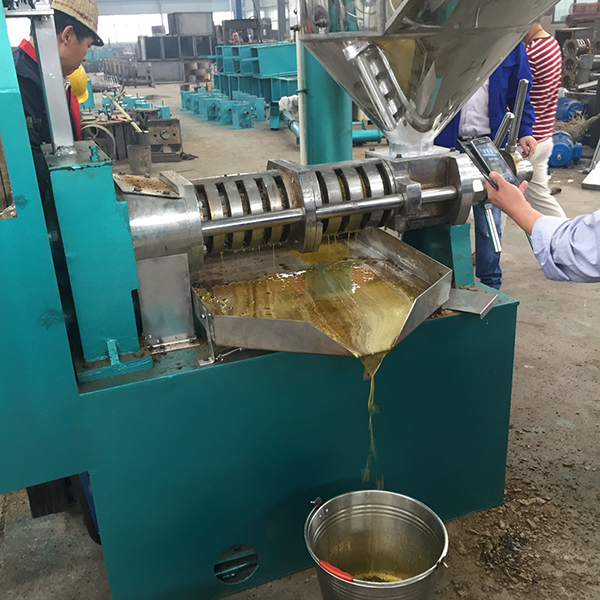
In areas with inconsistent electricity, equipment selection becomes particularly challenging. Diesel-powered machines offer independence but incur ongoing fuel costs averaging $0.50-$0.80 per liter processed. Solar hybrid systems, while requiring higher initial investment (typically 30-50% more than conventional models), can reduce long-term operational expenses by 40-60% in sunny regions like Tanzania and Mali.
| Equipment Type | Power Requirement | Daily Operating Cost | Suitability for Unreliable Grid |
|---|---|---|---|
| Manual Press | Human power | $0-2 | Excellent |
| Electric Press (1-3HP) | 750-2250W | $5-12 | Poor |
| Diesel-Powered Press | 3-7HP | $15-30 | Good |
| Solar Hybrid Press | 1.5-5HP | $3-8 | Excellent |
The success of any oil processing venture depends on consistent access to quality raw materials. Farmers should calculate equipment capacity based on seasonal availability—for example, a 50kg/hour machine would require 400kg of daily input to operate at full capacity. In northern Nigeria, groundnut farmers have formed collection networks covering 10-15 villages, ensuring steady supply and enabling investment in larger equipment that提高了出油率 by 8-12% compared to small-scale operations.
The choice between traditional hand pressing and mechanized equipment involves trade-offs across multiple dimensions. While manual methods require minimal capital investment (typically $200-500), they are labor-intensive and yield 15-25% less oil than modern machines. Mechanized processing, on the other hand, requires significant upfront investment ($5,000-$30,000) but reduces labor requirements by 70-80% and improves oil quality through better temperature control and extraction efficiency.
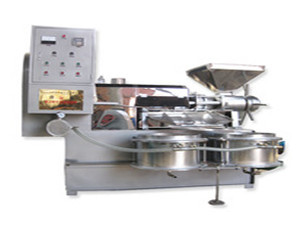
For small-scale processors looking to access formal markets, equipment certification matters. ISO9001-certified oil processing equipment, such as those offered by 企鹅集团, ensures consistent quality and food safety standards. This certification has helped cooperatives in Ghana increase their market price by 15-20% and gain access to supermarket chains that require documented quality control processes.
Certified equipment typically includes safety features that reduce workplace accidents by 60-70% compared to uncertified alternatives, an important consideration for community-based operations where worker well-being directly impacts sustainability.
Across Africa, innovative models are demonstrating how appropriate technology selection can transform local oil processing. In Zambia's Eastern Province, a women's cooperative invested in a 3-phase mechanized system after analyzing their groundnut production cycles and establishing a 20-village collection network. Within two years, their oil production increased from 80 liters weekly to over 500 liters, with profits reinvested in education and healthcare for members.
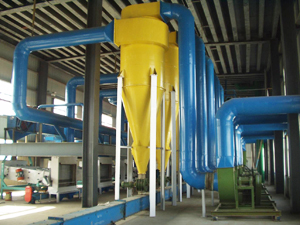
In Vietnam's Mekong Delta, rice bran oil processors have successfully combined small-scale equipment with mobile collection services, bringing processing to farmers rather than requiring transportation of raw materials. This model reduced waste by 35% and increased farmer participation by making the process more convenient and profitable for smallholders.
Every community has unique needs based on crop type, available resources, and market access. The key is finding the right balance between capacity, cost, and local conditions.
Discover Your Custom Oil Processing SolutionWhen evaluating equipment suppliers, look for those with experience in your specific region and crop type. A quality supplier should offer not just machinery but also training, maintenance support, and guidance on optimizing your processing operation for local conditions and market requirements.
Many successful small-scale processors begin with a pilot operation, testing equipment with a small volume of raw materials before scaling up. This approach allows for adjustments based on real-world conditions and helps build local skills and confidence in the new technology before making a full investment.
 soybean oil refining equipment
energy saving
compact layout
industrial energy efficiency standards
environmental solutions
soybean oil refining process
deacidification parameters
dephosphorization optimization
edible oil quality improvement
solvent recovery system for soybean meal
desolventizing equipment maintenance
soybean meal processing efficiency
hexane solvent recycling
animal feed processing technology
solvent extraction
hexane solvent
soybean meal residual oil
solvent recovery system
green feed production
baking oil selection
low free fatty acid soybean oil
food grade refined soybean oil
baking oil quality
export food processing oil
soybean oil refining equipment
energy saving
compact layout
industrial energy efficiency standards
environmental solutions
soybean oil refining process
deacidification parameters
dephosphorization optimization
edible oil quality improvement
solvent recovery system for soybean meal
desolventizing equipment maintenance
soybean meal processing efficiency
hexane solvent recycling
animal feed processing technology
solvent extraction
hexane solvent
soybean meal residual oil
solvent recovery system
green feed production
baking oil selection
low free fatty acid soybean oil
food grade refined soybean oil
baking oil quality
export food processing oil


.jpg?x-oss-process=image/resize,h_800,m_lfit/format,webp)





.png?x-oss-process=image/resize,h_100,m_lfit/format,webp)
.png?x-oss-process=image/resize,h_100,m_lfit/format,webp)
.png?x-oss-process=image/resize,h_100,m_lfit/format,webp)


.jpg?x-oss-process=image/resize,h_800,m_lfit/format,webp)
.jpg?x-oss-process=image/resize,m_fill,h_800,w_800/format,webp)