As a small or medium-sized oil mill owner or technical supervisor, you may face a lot of confusion when first using automated soybean oil pressing equipment. Understanding the key components of these machines and how to maintain them is crucial for ensuring stable production and high-quality output, especially when you're looking to expand into the export market. In this article, we'll break down the core components of fully automatic soybean oil pressing equipment, share practical installation and maintenance tips, and help you make your soybean oil production more efficient, greener, and hassle-free.
When it comes to automated soybean oil pressing equipment, many small and medium-sized oil mill owners or technical supervisors are often in the dark about the key components. This lack of knowledge can lead to a range of issues, including reduced production efficiency, lower oil quality, and increased energy consumption. For example, choosing the wrong filter screen or improper installation and commissioning can cause the equipment to malfunction or underperform.
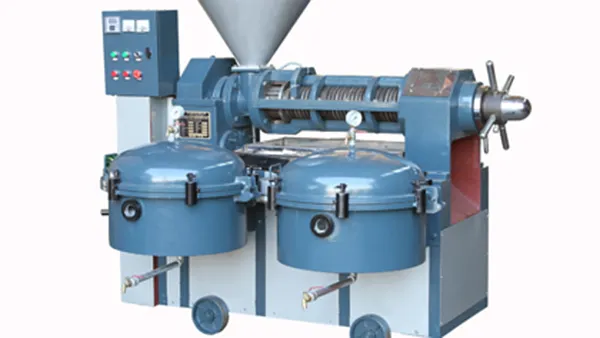
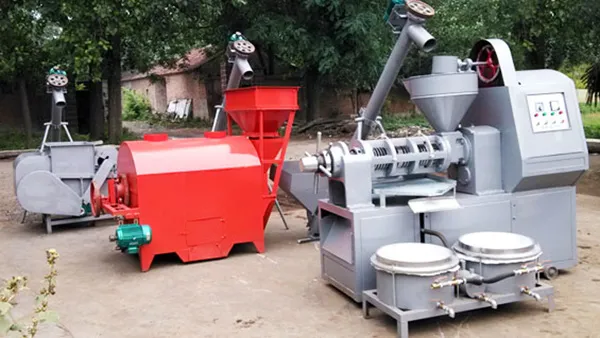
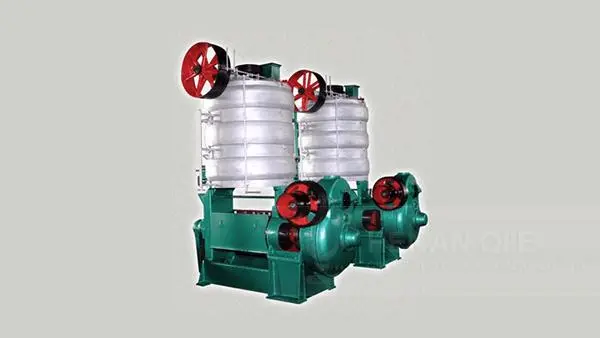
Let's take a closer look at the core components of fully automatic soybean oil pressing equipment:
"The right choice of filter screen can significantly improve the oil extraction efficiency and quality," says an industry expert. "It's important to consider the moisture content, particle size, and other factors of the raw materials when selecting a filter screen."
To better understand how these components work in real-world scenarios, let's consider the impact of moisture content on filter screen selection. When the moisture content of the raw materials is high, the filter screen may become clogged more easily, reducing the filtration efficiency. In such cases, a filter screen with larger pores or a self-cleaning function may be more suitable. By understanding these practical applications, you can make more informed decisions when choosing and using the equipment.
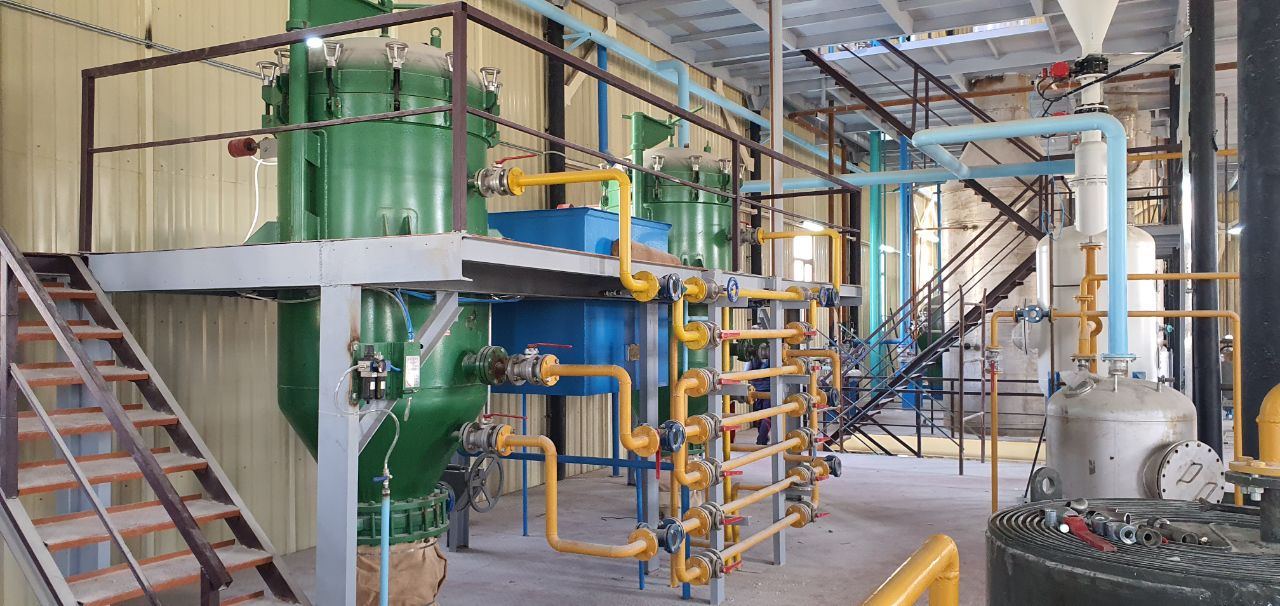
The installation and commissioning stage is critical for the proper functioning of the equipment. Here are some key points to keep in mind:
Regular maintenance is essential for the long-term performance and reliability of the equipment. Here are some practical maintenance tips:
Many modern fully automatic soybean oil pressing equipment is designed with energy efficiency and environmental protection in mind. For example, some equipment uses advanced temperature control technology to reduce energy consumption, while others are equipped with recycling systems to minimize waste. By choosing energy-efficient equipment and following proper operating procedures, you can not only reduce your operating costs but also contribute to a more sustainable future.
| Process | Energy Consumption (kWh/ton) |
|---|---|
| Cold Pressing | 50 - 80 |
| Hot Pressing | 80 - 120 |
Our Penguin Group's fully automatic soybean oil pressing equipment is designed to meet the needs of small and medium-sized oil mills. With a one-year warranty, you can rest assured that your investment is protected. Our equipment is not only efficient and reliable but also easy to operate and maintain, making it the ideal choice for your soybean oil production.
Explore Our Fully Automatic Soybean Oil Pressing Equipment Now!


.png?x-oss-process=image/resize,h_100,m_lfit/format,webp)
.png?x-oss-process=image/resize,h_100,m_lfit/format,webp)
.png?x-oss-process=image/resize,h_100,m_lfit/format,webp)