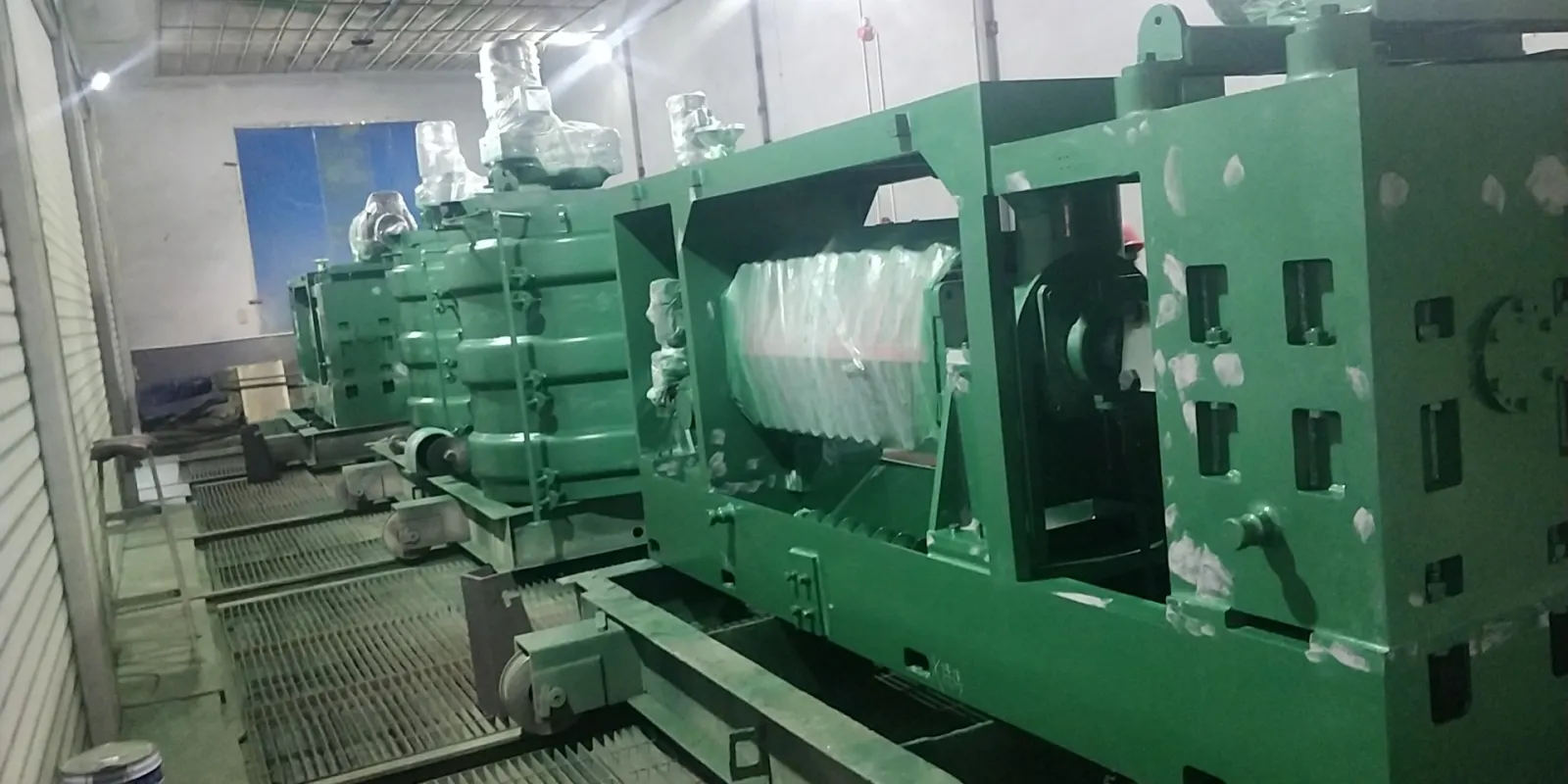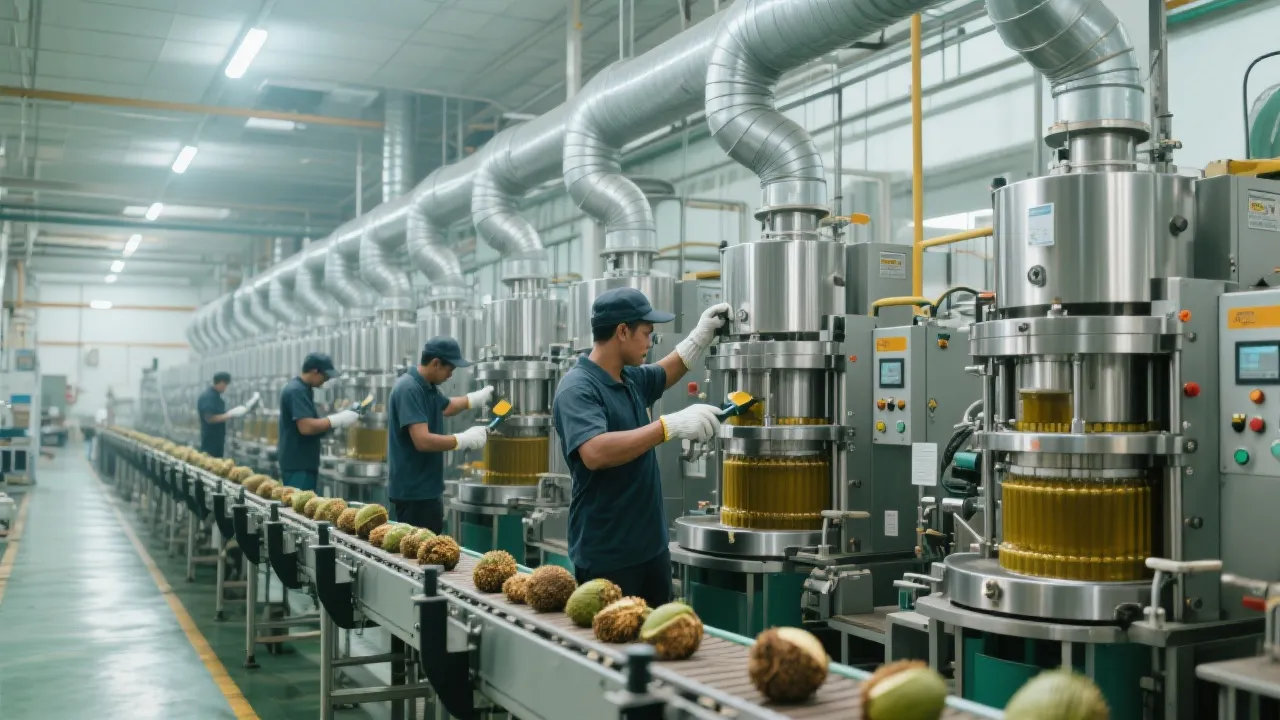
Small to medium scale oil mills often grapple with low oil yield, high impurity levels, and substantial labor costs during soybean oil extraction. Traditional pressing methods, although widely practiced, suffer significant efficiency losses mainly due to residual oil retention and oxidation damage. An innovative solution—integrated automated filtration pressing machines—now enables these mills to unlock enhanced productivity by simultaneously elevating oil purity and output.
The core challenge lies in minimizing oil losses linked to residual content trapped within the pressed cake and preventing oxidation, which degrades oil quality. Typically, cold and hot pressing techniques can lead to residual oil rates exceeding 8-12%, and uncontrolled oxidation reduces shelf life and consumer acceptability.
The emerging automated filtration press integrates a continuous filtration system directly into the pressing process. This design enables immediate separation of oil from impurities, thereby decreasing oxidation exposure and reducing residual oil. The key operational pillars of this technology include:
The juxtaposition of hot and cold pressing processes highlights automation’s role in fine-tuning key variables – cold pressing demands strict temperature control within a golden range (50–65°C) to preserve nutrients, while hot pressing leverages elevated temperatures to maximize oil yield.

Achieving optimal results from an automated filtration press involves attention to several critical parameters:
| Parameter | Recommended Range | Notes |
|---|---|---|
| Soybean Moisture Content | 8%–12% | Too high moisture reduces pressing efficiency; too low can cause cracking. |
| Pressing Temperature (Cold Pressing) | 50–65°C | Preserves oil nutrients and limits oxidation. |
| Pressing Pressure | Optimal per machine specification | Precise control ensures maximal oil extraction. |
| Filtration Speed | Matches press output rate | Prevents oil retention and pipeline clogging. |
Common pitfalls such as excessive moisture, insufficient temperature control, or filtration blockages can easily undermine the efficiency and purity gains. Regular machine maintenance and training operators on key control points are indispensable steps toward consistent product quality.
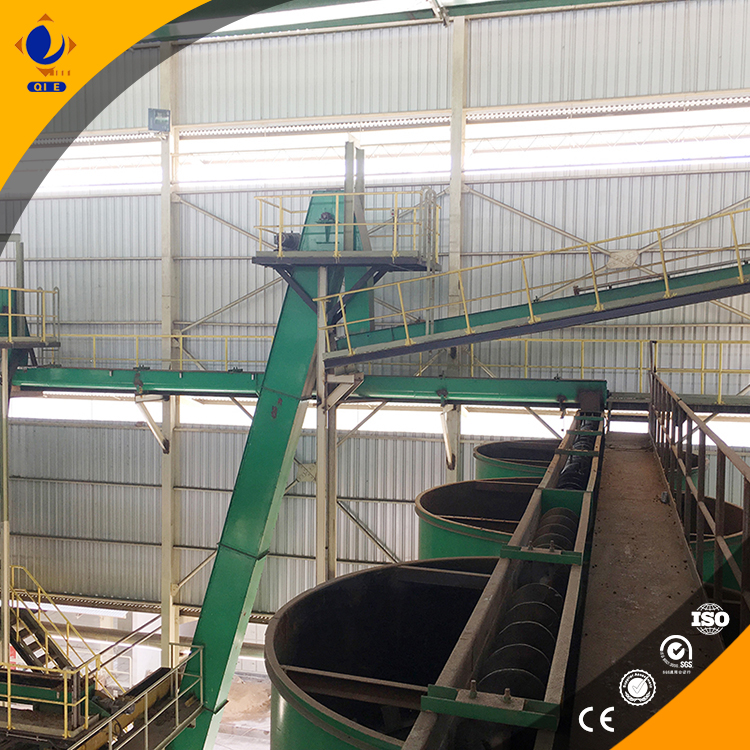
Data from multiple midsize oil milling operations underscore the measurable benefits of adopting automated filtration presses:
One notable case showed a soybean oil mill raising its output from 40 tons to 43.2 tons per day after integrating the automated filtration system without increasing raw material input, representing an 8% yield gain within two months.
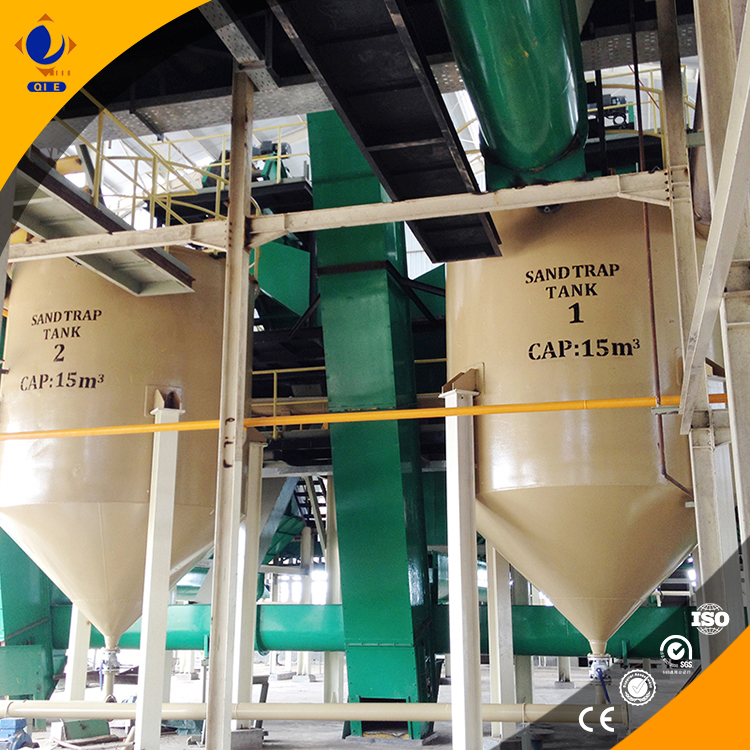
With such compelling figures, optimizing pressing lines with automated filtration technology is a strategic step for oil producers seeking greener, more efficient, and cost-effective soybean oil manufacturing.
What operational challenges are you encountering in your oil pressing process? Share your questions below or reach out to explore how tailored filtration press solutions can elevate your production line efficiency.
Discover How Automated Filtration Presses Can Boost Your Soybean Oil Yield & Purity


.png?x-oss-process=image/resize,h_100,m_lfit/format,webp)
.png?x-oss-process=image/resize,h_100,m_lfit/format,webp)
.png?x-oss-process=image/resize,h_100,m_lfit/format,webp)


.jpg?x-oss-process=image/resize,h_800,m_lfit/format,webp)