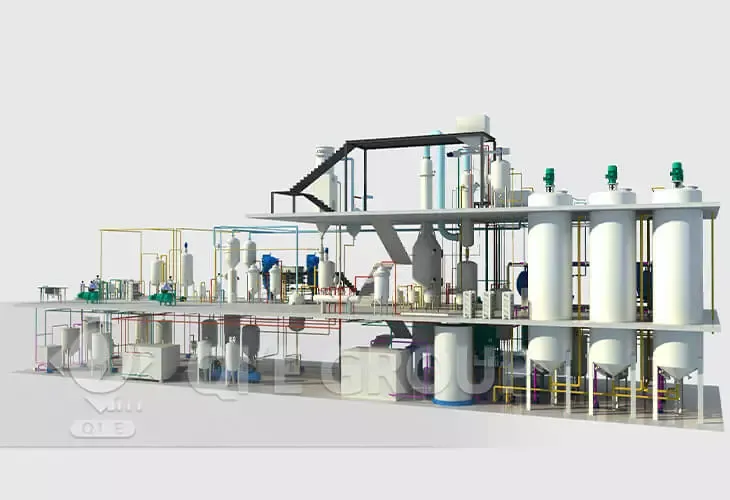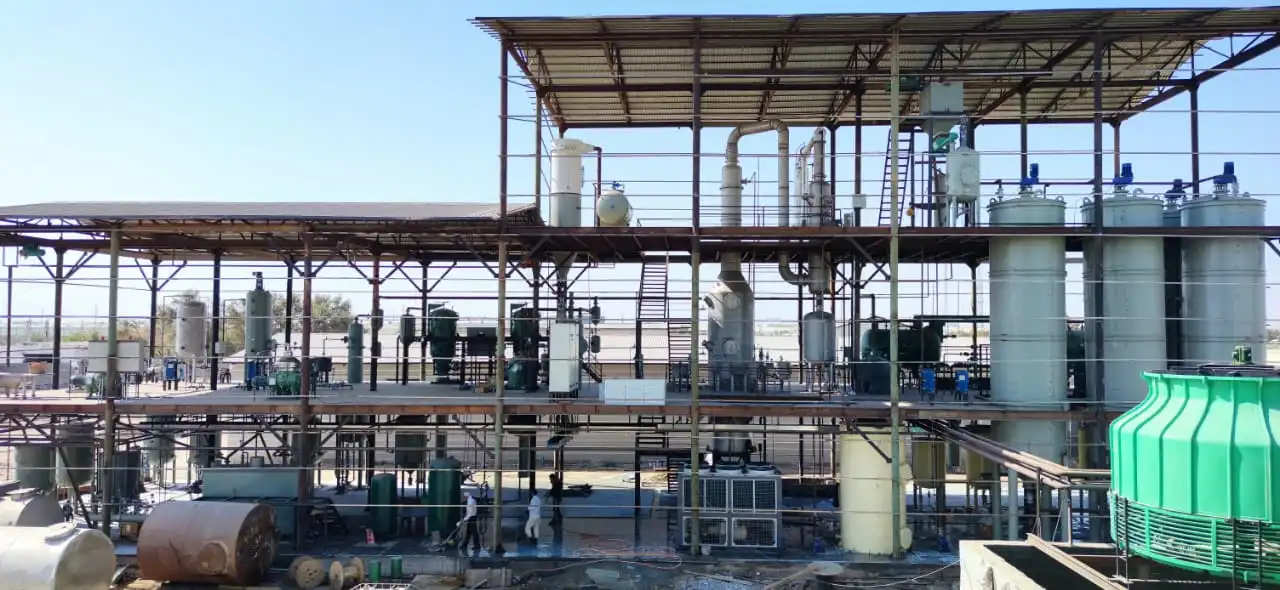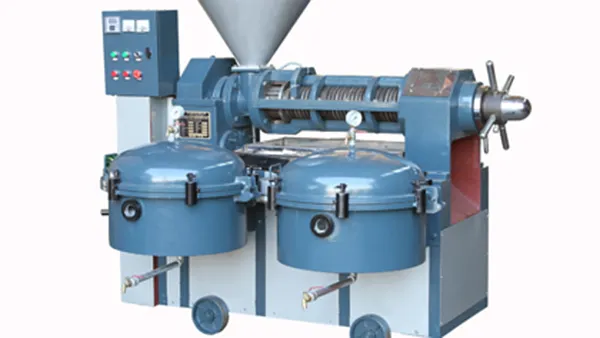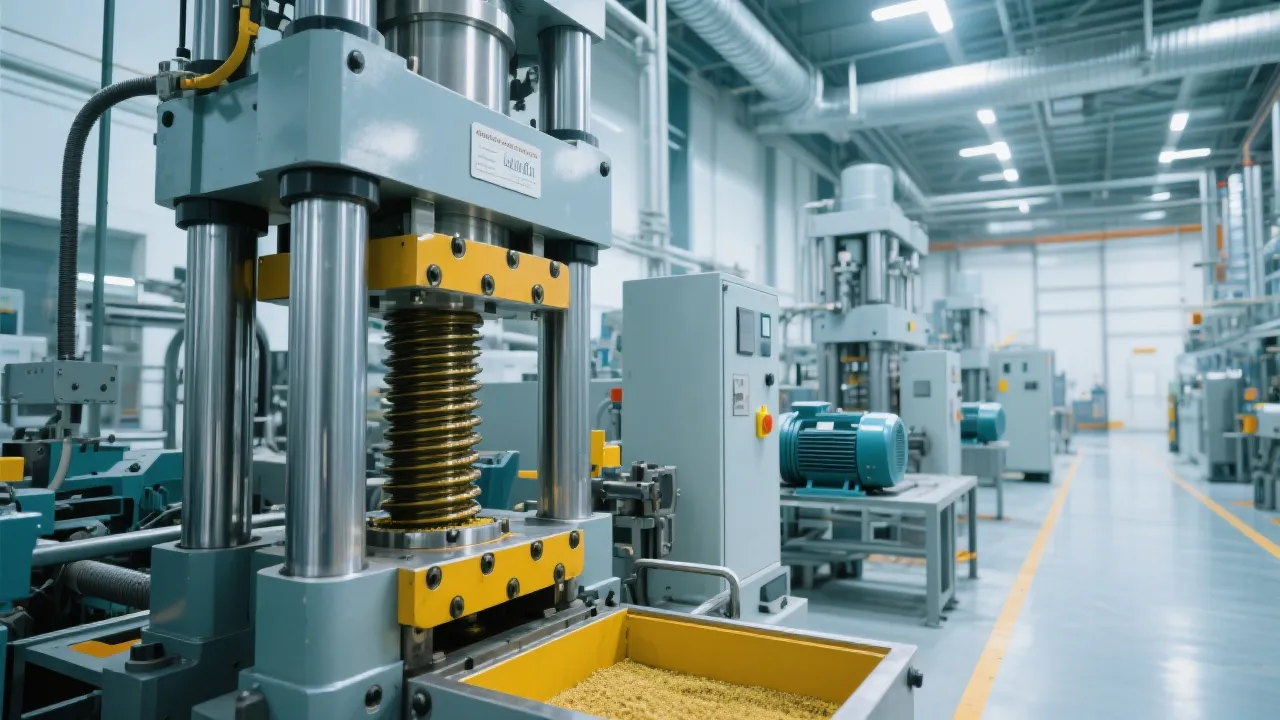
For many small and medium-sized soybean oil mills, achieving consistent high yield isn’t just about raw materials—it’s about process precision. According to industry data, inefficient filtration can cause up to 8–12% loss in usable oil due to residual oil trapped in meal and oxidation from poor separation. That’s where automated filtering press technology comes in—not as a luxury, but as a necessity for competitive operations.
In traditional setups, manual pressing followed by gravity-based settling leads to inconsistent results. One study from a Chinese oil mill found that without automated filtration, the average oil content in cake remained at 7.5–9.2%, far above the optimal 4–5%. This means nearly one-third of the potential yield is lost before even reaching storage tanks.
| Process Stage | Manual Method | Automated Filtration System |
|---|---|---|
| Oil Recovery Rate | ~78% | ~92–95% |
| Labor Required per Batch | 2–3 workers | 1 operator (with monitoring) |
| Oxidation Risk | High (exposure time = 4–6 hrs) | Low (filtered within 1–2 hrs) |
The key lies in real-time pressure control and continuous flow design. Unlike batch systems that allow air exposure during transfer, modern automatic presses use sealed chambers and adjustable filters (typically 0.5–1 mm mesh). This reduces oxidation and keeps free fatty acid levels low—critical for cold-pressed oils where quality must remain intact. In trials across Southeast Asia, this setup improved final oil clarity by 30–40% compared to conventional methods.
Operators also benefit from smart temperature regulation: for hot pressing (85–95°C), the system maintains consistency across batches; for cold pressing (below 60°C), it prevents overheating while maximizing oil release. A Malaysian client reported a 12% increase in net oil output after switching from manual to semi-automated processing—with no additional energy cost.
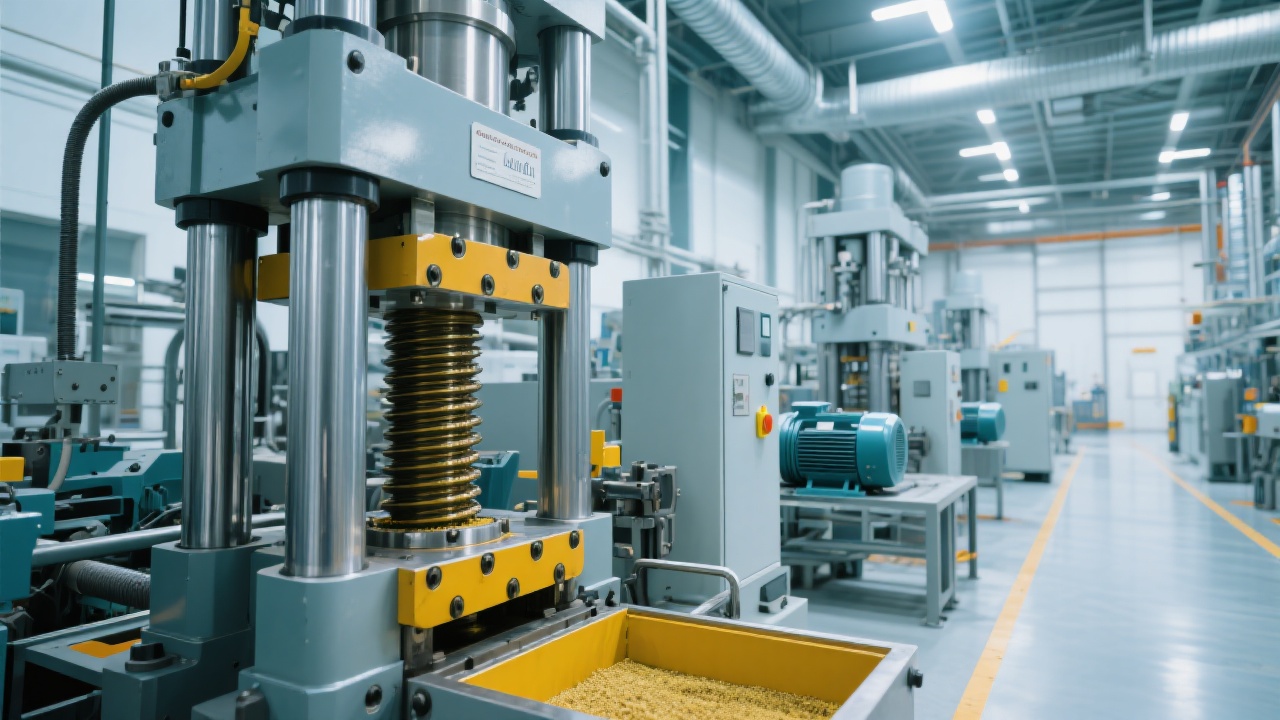
A mid-sized mill in Vietnam upgraded their equipment last year. Before automation, they averaged 115 kg of oil per 1000 kg of soybeans. After installation, that rose to 132 kg per 1000 kg—an improvement of over 14%. They also cut labor costs by 35%, allowing staff to focus on quality checks rather than repetitive tasks.
These gains aren't unique—they’re becoming standard among forward-thinking operators in India, Indonesia, and Brazil. More importantly, the reduction in waste aligns with global sustainability goals, making these machines attractive not only for ROI but also for ESG compliance.
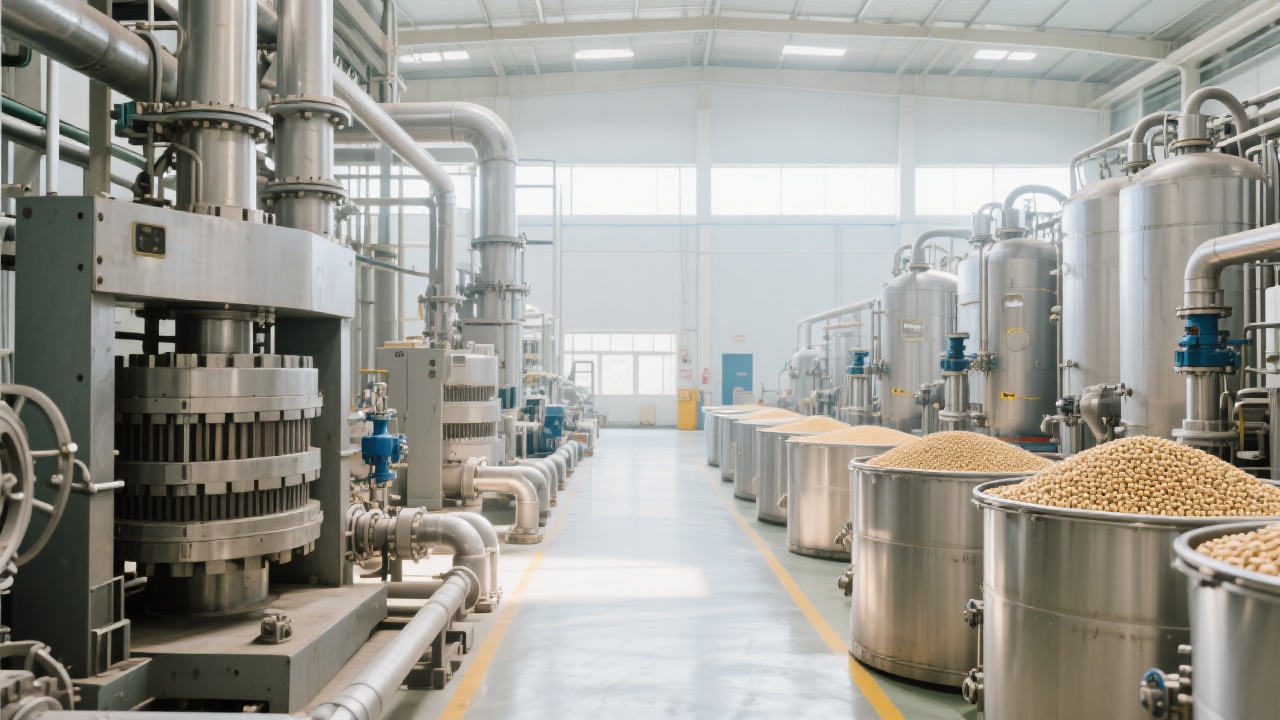
Want to know if your current system is holding you back? Try tracking your oil recovery rate for two weeks—you might be surprised how much you're losing.


.png?x-oss-process=image/resize,h_100,m_lfit/format,webp)
.png?x-oss-process=image/resize,h_100,m_lfit/format,webp)
.png?x-oss-process=image/resize,h_100,m_lfit/format,webp)