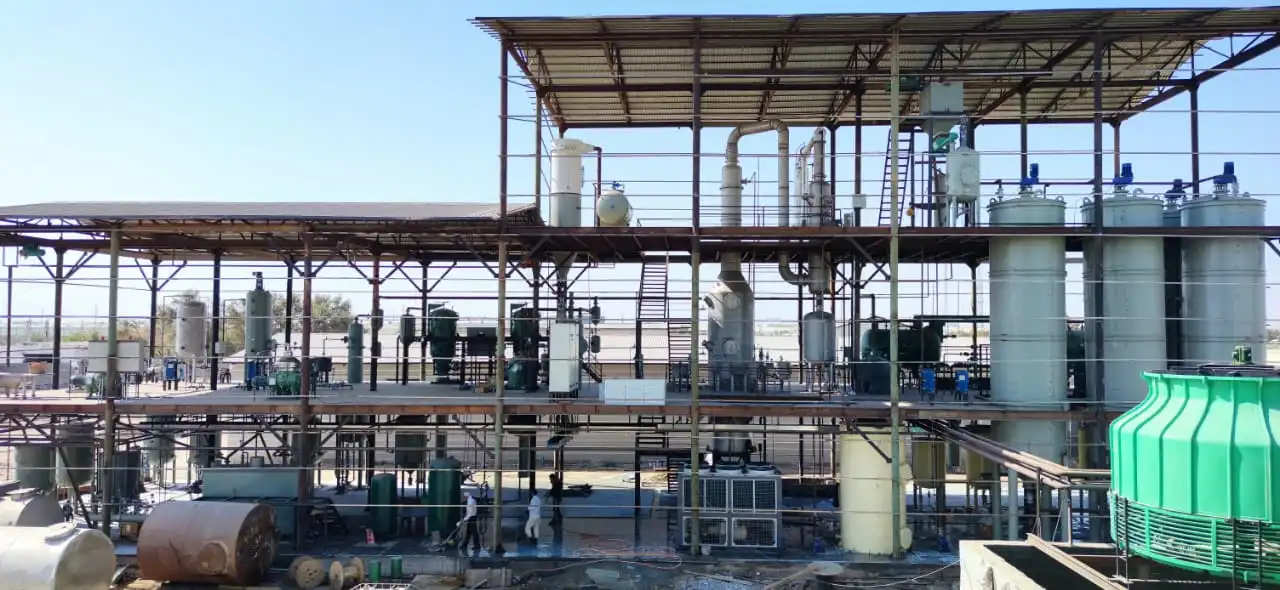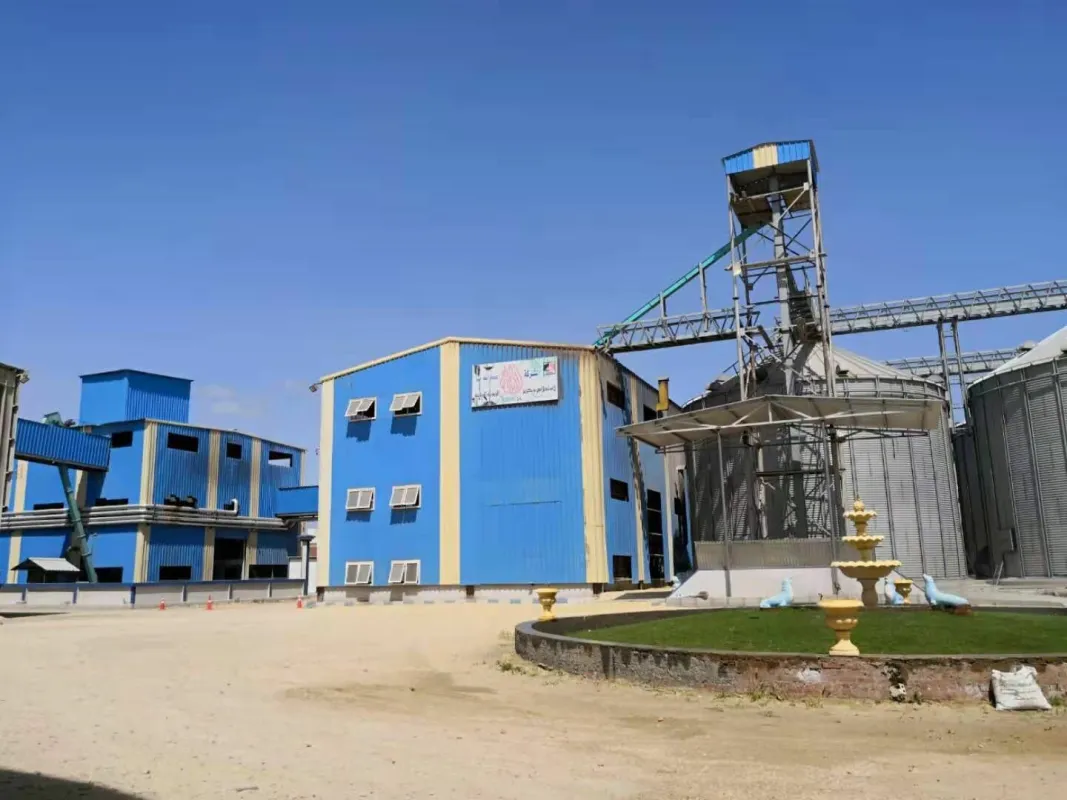
For decades, small and mid-sized soybean oil producers have relied on traditional batch presses—efficient in theory but plagued by inefficiencies in practice. Low extraction rates, inconsistent oil quality, and high labor dependency make these systems unsustainable in today’s competitive market.
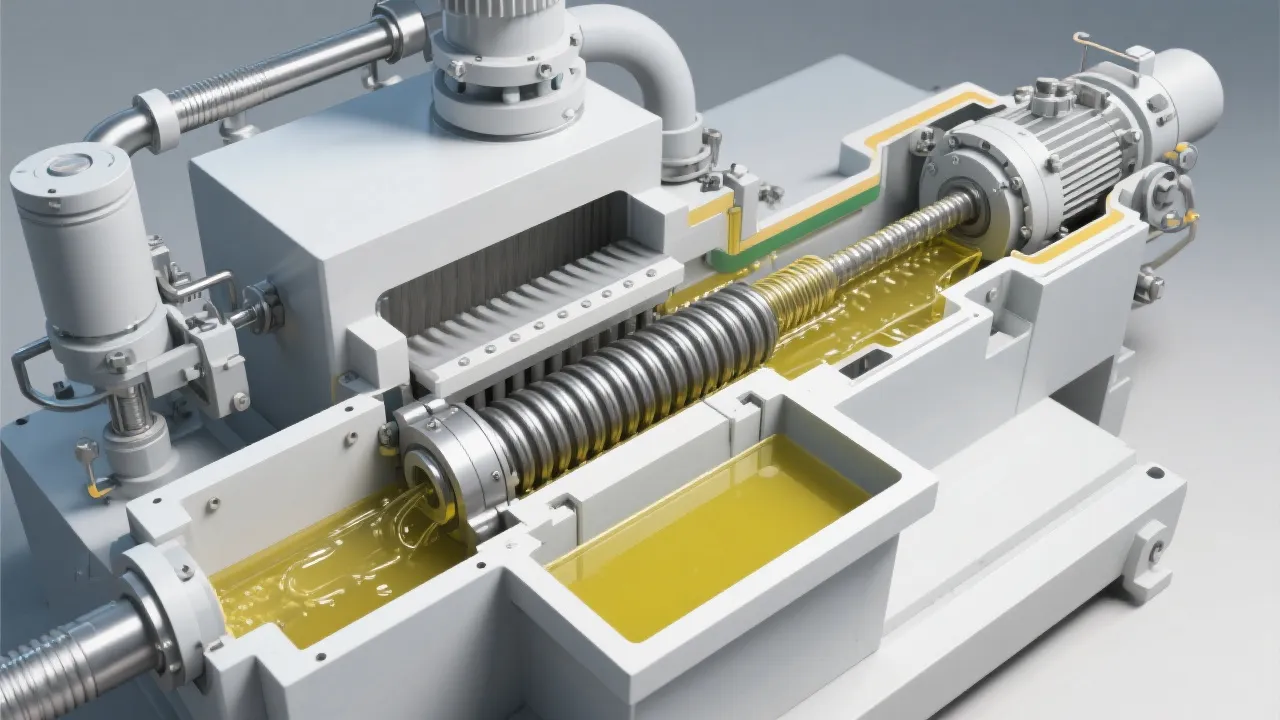
Modern continuous presses equipped with automatic filtration don’t just press—they clean as they go. Unlike old methods where pressed cake (residual soy渣) is removed after pressing, the new system separates oil from fiber instantly during the process. This means:
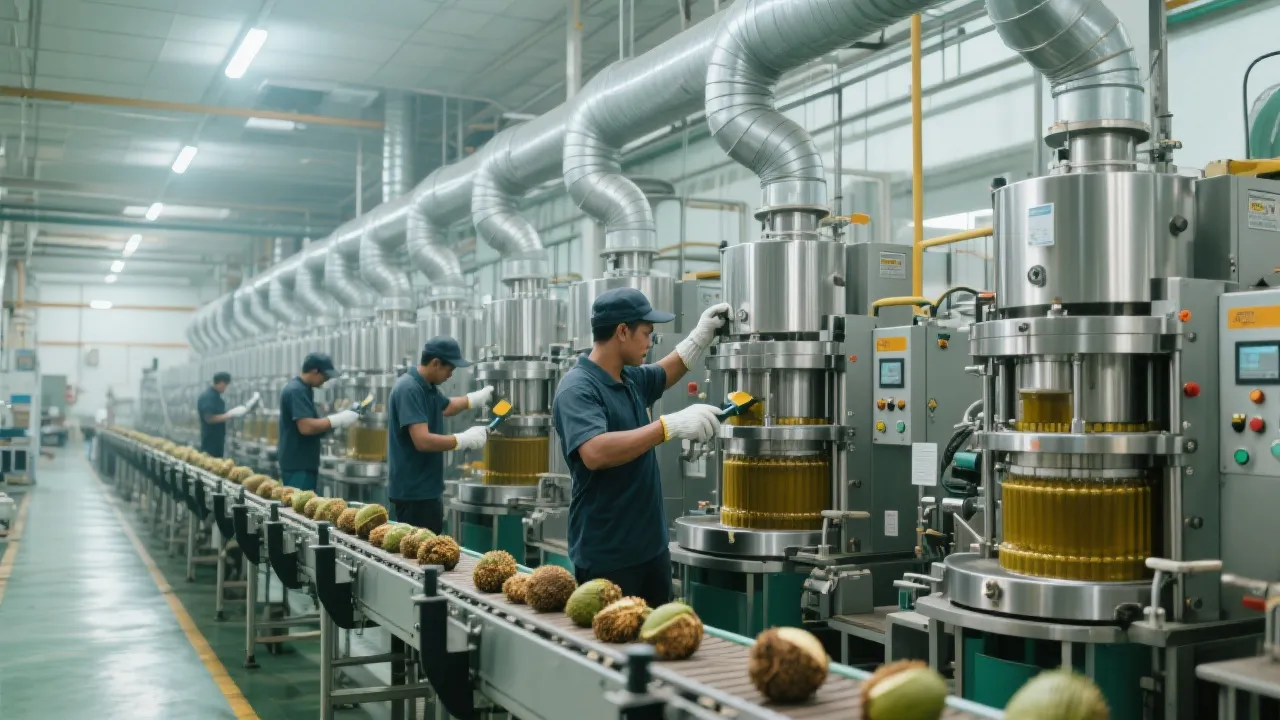
A study conducted across 12 Chinese oil mills showed that after upgrading to a fully automated continuous press, average yield increased by 7.2%, while refining costs dropped by up to 18% due to cleaner raw material.
“We saw immediate improvements in both output and consistency. Our operators no longer need to monitor every step manually—we now have time to focus on maintenance and process optimization.”
— Zhang Wei, Plant Manager at Henan GreenOil Co., China
What sets advanced models apart isn't just mechanical design—it's intelligence. Features like:
These aren’t luxury add-ons—they’re essential for scaling without hiring more technicians. In fact, one Indonesian mill reported reducing operator errors by over 60% post-upgrade, leading to fewer production halts and better compliance with ISO standards.
| Process Type | Avg. Yield (%) | Operator Dependency | Energy Use (kWh/ton) |
|---|---|---|---|
| Traditional Batch Press | ~85% | High | 120–140 |
| Continuous + Auto-Filtration | 95%+ | Low | 90–110 |
As global demand for sustainable and efficient food processing grows, this shift isn’t just smart—it’s necessary. Whether you're in Southeast Asia, Latin America, or Eastern Europe, modern equipment can help your facility meet rising expectations without breaking the bank.
 Soybean oil extraction rate improvement
Automatic filtration press
Process optimization for small and medium - sized oil mills
Net oil purity enhancement
Grain and oil processing equipment
Continuous pressing line
Soybean oil press
Automatic filtration system
Upgrade of small and medium-sized oil mills
Intelligent grain and oil equipment
soybean oil extraction efficiency
automatic filtration press
continuous oil pressing system
smart control for oil mills
small oil plant optimization
soybean oil refining process
energy-saving deodorization technology
edible oil emission compliance
small to medium oil processing plants
deodorization equipment for food safety
continuous soybean oil press
automatic filtration system
intelligent control for oil mills
soybean oil extraction efficiency
small oil mill upgrade
Soybean oil extraction rate improvement
Automatic filtration press
Process optimization for small and medium - sized oil mills
Net oil purity enhancement
Grain and oil processing equipment
Continuous pressing line
Soybean oil press
Automatic filtration system
Upgrade of small and medium-sized oil mills
Intelligent grain and oil equipment
soybean oil extraction efficiency
automatic filtration press
continuous oil pressing system
smart control for oil mills
small oil plant optimization
soybean oil refining process
energy-saving deodorization technology
edible oil emission compliance
small to medium oil processing plants
deodorization equipment for food safety
continuous soybean oil press
automatic filtration system
intelligent control for oil mills
soybean oil extraction efficiency
small oil mill upgrade







.png?x-oss-process=image/resize,h_100,m_lfit/format,webp)
.png?x-oss-process=image/resize,h_100,m_lfit/format,webp)
.png?x-oss-process=image/resize,h_100,m_lfit/format,webp)
.jpg?x-oss-process=image/resize,h_800,m_lfit/format,webp)