Many small and mid-sized soybean oil producers face a frustrating reality: despite investing in equipment, their extraction efficiency remains below industry benchmarks. Why? Traditional pressing methods often lead to high residual oil, inconsistent purity, and excessive manual labor — all of which directly impact yield and profitability.
Here’s what most don’t realize: the real bottleneck isn’t just the press itself — it’s the time between pressing and filtering. When hot oil sits exposed, oxidation begins immediately. In fact, studies show that even a 15-minute delay in filtration can reduce net yield by up to 4%, especially in hot-pressing setups where temperature accelerates degradation.
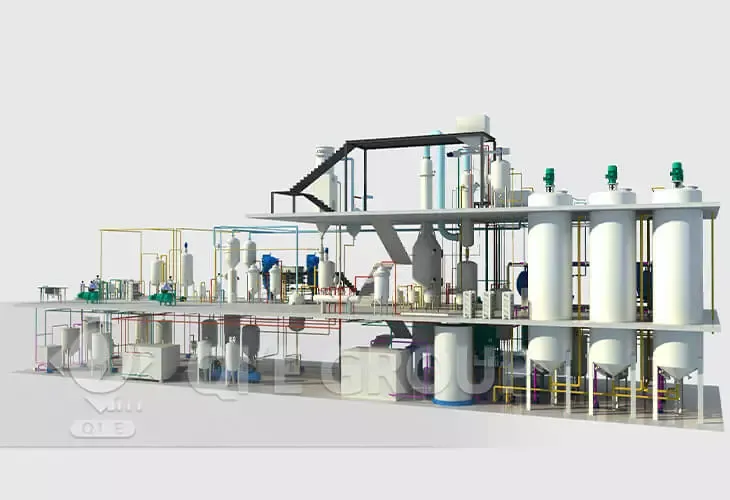
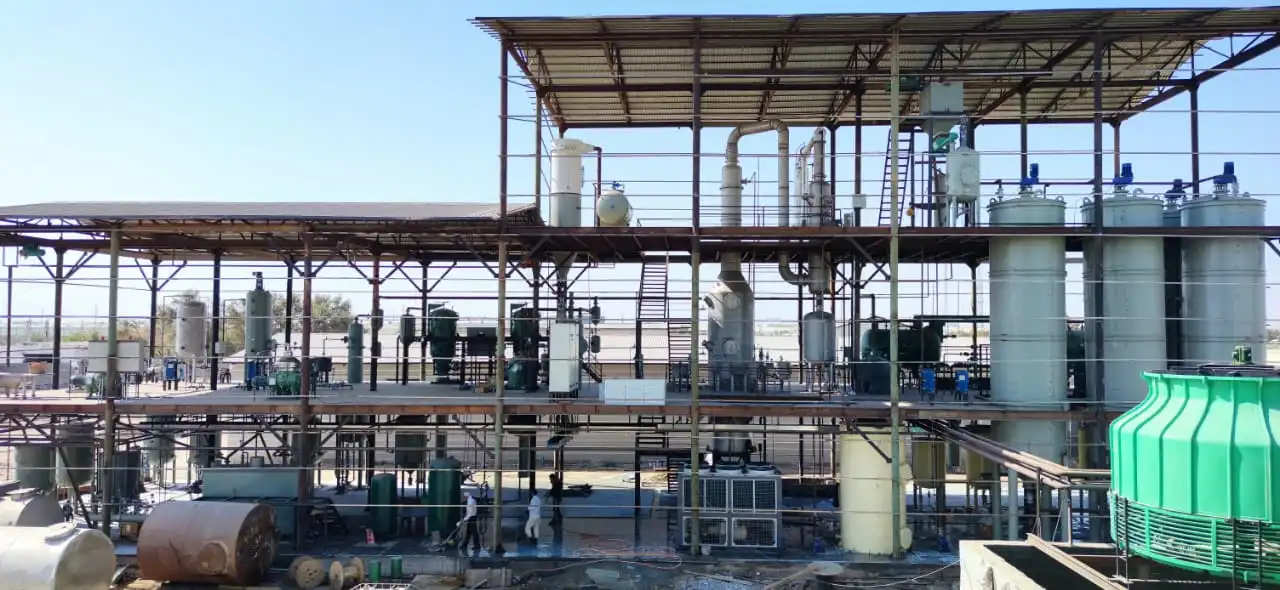
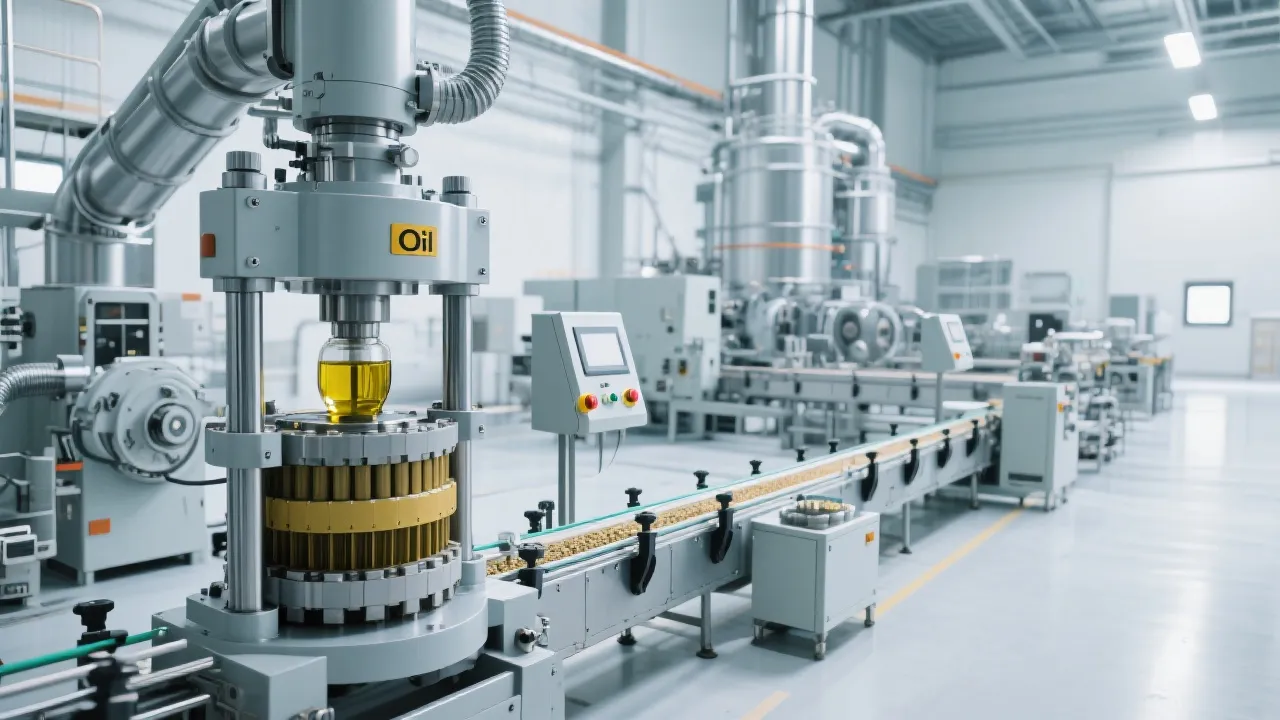
Modern automated presses with built-in oil filtration systems solve this problem at its root. By combining pressing and immediate separation in one seamless process, they minimize oxygen exposure and maintain oil integrity from start to finish.
One client — a 5-ton-per-day facility in Brazil — saw an 8% increase in final oil yield after switching to such a system. That might sound small, but for a plant running 200 days/year, it translates to nearly 800 extra liters annually — enough to cover maintenance costs within six months.
| Process Step | Traditional Method | Integrated System |
|---|---|---|
| Pressing Time | 15–20 min per batch | Continuous flow (no batch pauses) |
| Filtration Delay | 15–30 min post-press | Immediate (within 2 min) |
| Labor Required | 2 operators per shift | 1 operator + remote monitoring |
For cold-pressed oils, this integration is even more critical. Cold pressing demands precise control over pressure and temperature — any deviation leads to fiber damage or incomplete extraction. Smart sensors now allow automatic adjustment based on feedstock moisture content, reducing human error by up to 70% compared to manual setups.
If you're considering upgrading, here are two key practices proven effective:
These aren't theoretical suggestions — they come from mills that have already made the switch. Their feedback? “It feels like we finally have a system that works with us, not against us.”
See how our automated pressing units helped clients like yours achieve consistent yields above 95% — even with variable raw material quality.
Explore the Press-Filtration Solution Today


.png?x-oss-process=image/resize,h_100,m_lfit/format,webp)
.png?x-oss-process=image/resize,h_100,m_lfit/format,webp)
.png?x-oss-process=image/resize,h_100,m_lfit/format,webp)