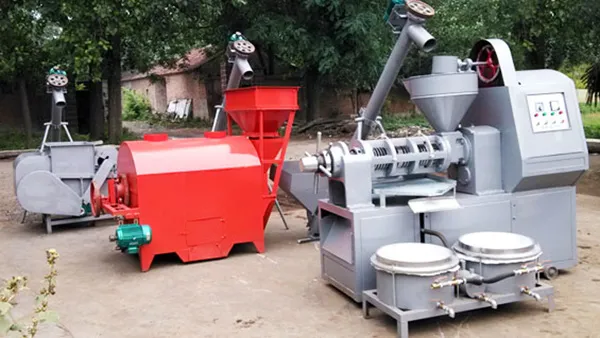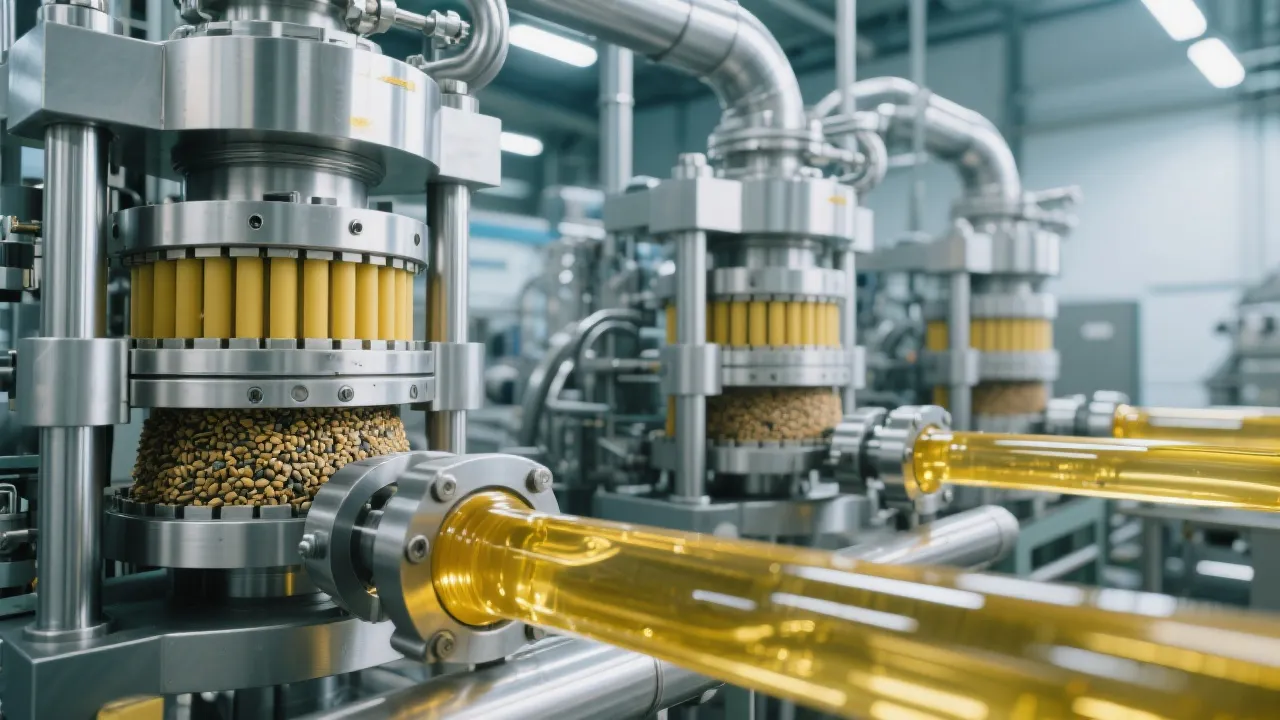
You know the drill: your soybean oil yield is lower than expected, and the crude oil you get has too many impurities. You’re not alone — most small to mid-sized oil mills face this exact challenge daily.
Traditional pressing often leads to three major losses:
| Process Step | Typical Yield Loss (%) | Avg. Pure Oil Quality (Free Fatty Acids) |
|---|---|---|
| Manual Press + Post-Filtration | 8–12% | 0.8–1.5% FFA |
| Auto-Filtration Press (Hot/Cold) | 2–4% | 0.2–0.6% FFA |
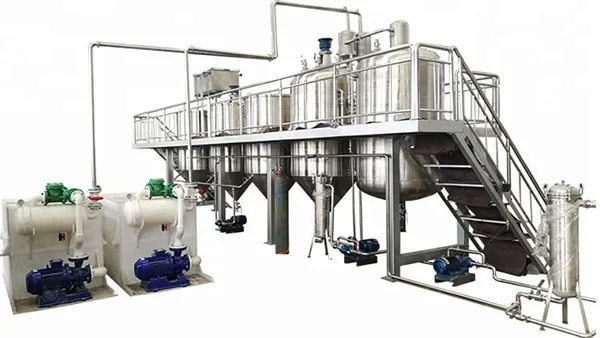
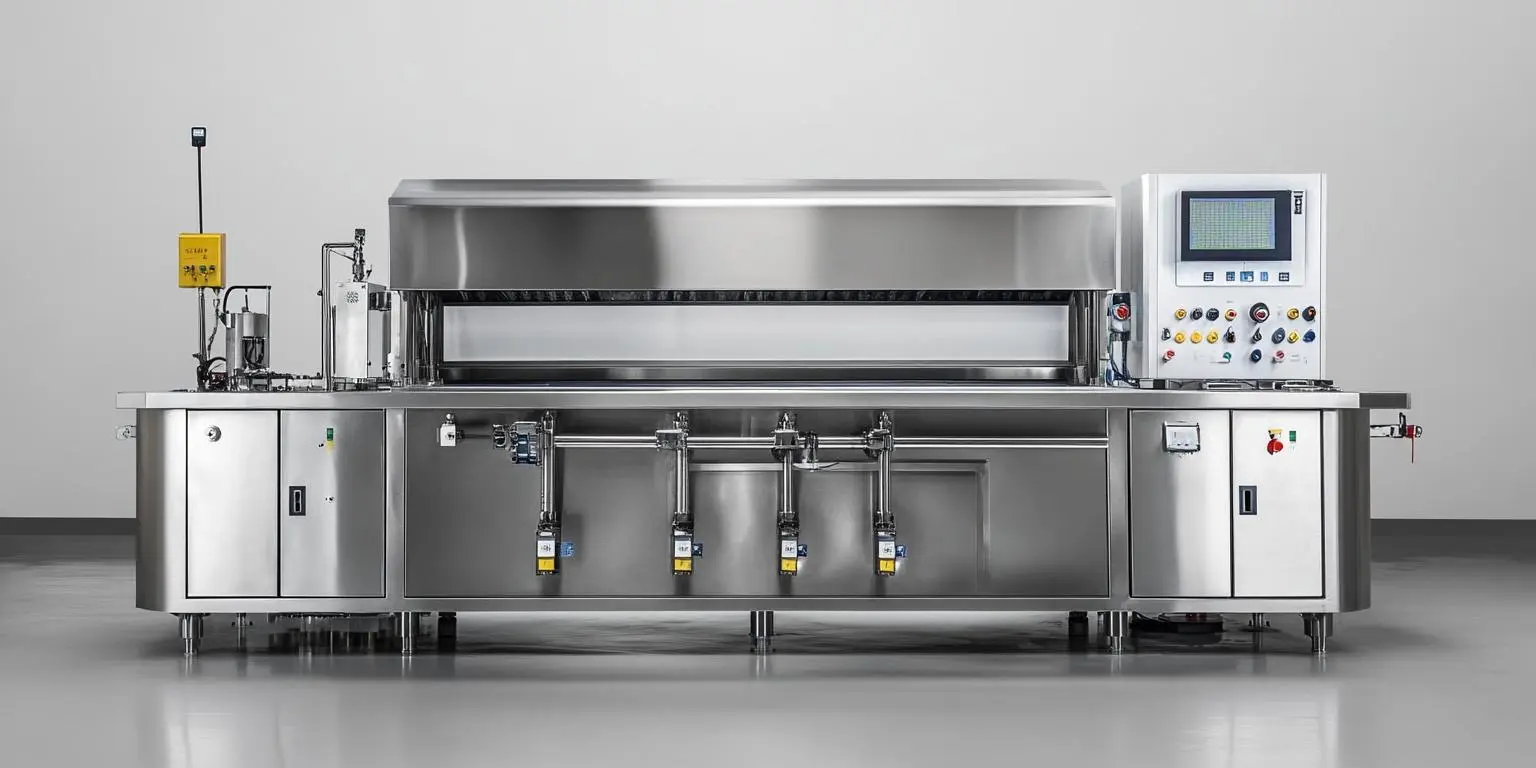
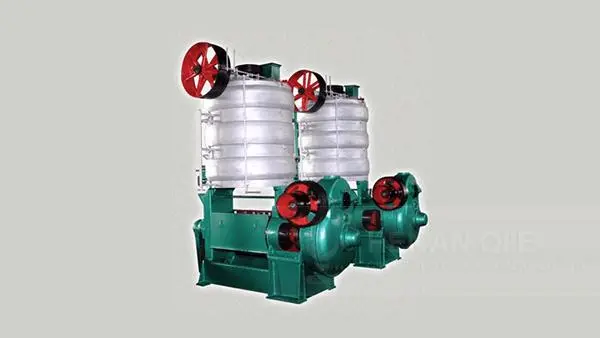
The breakthrough? A single machine that presses AND filters simultaneously. No waiting. No oxidation. Just clean, high-yield oil right at the output.
Here's how it works:
In practice, we’ve seen mills using this system achieve an average 3.5% higher yield compared to traditional setups — translating to roughly 1.2 tons more oil per month for a 5-ton/day facility. That’s over $1,500 extra revenue monthly, assuming $1,200/ton pricing.
Even with advanced tech, mistakes happen:
A case study from a 3-ton/day mill in Vietnam showed a 5.2% yield improvement after adjusting pressure settings based on bean moisture levels — all within two weeks of training.
“We used to lose 8% of our oil just because we didn’t have real-time filtration. Now we see every drop count.” – Nguyen Van Minh, Owner, Ho Chi Minh City Soy Mill
If your oil mill still relies on manual processes or outdated equipment, you’re leaving money on the table — and risking quality compliance with global buyers.
Upgrade Your Press. Boost Yield. Improve Purity.Got questions about integrating automatic filtration into your current setup? Drop a comment below — we reply fast, and always with actionable insights.
 modular soybean oil refining equipment
energy-efficient oil refining systems
304 stainless steel food-grade equipment
CE and ISO9001 certified machinery
refining process optimization
Soybean oil degumming agent selection
Degumming technical parameter optimization
Soybean oil refining process
Edible oil odor removal technology
Integrated refining equipment
soybean oil refining equipment
food safety certification
energy-efficient oil processing
modular refinery design
grain and oil processing plants
Soybean oil degumming and deodorizing technology
Refining equipment optimization
Edible oil quality improvement
Deodorization process parameters
One - stop oil refining
Continuous press
Soybean dregs residual oil treatment
Automatic filtration system
Soybean oil extraction rate
Intelligent oil and grain equipment
modular soybean oil refining equipment
energy-efficient oil refining systems
304 stainless steel food-grade equipment
CE and ISO9001 certified machinery
refining process optimization
Soybean oil degumming agent selection
Degumming technical parameter optimization
Soybean oil refining process
Edible oil odor removal technology
Integrated refining equipment
soybean oil refining equipment
food safety certification
energy-efficient oil processing
modular refinery design
grain and oil processing plants
Soybean oil degumming and deodorizing technology
Refining equipment optimization
Edible oil quality improvement
Deodorization process parameters
One - stop oil refining
Continuous press
Soybean dregs residual oil treatment
Automatic filtration system
Soybean oil extraction rate
Intelligent oil and grain equipment






.png?x-oss-process=image/resize,h_100,m_lfit/format,webp)
.png?x-oss-process=image/resize,h_100,m_lfit/format,webp)
.png?x-oss-process=image/resize,h_100,m_lfit/format,webp)


.jpg?x-oss-process=image/resize,h_800,m_lfit/format,webp)