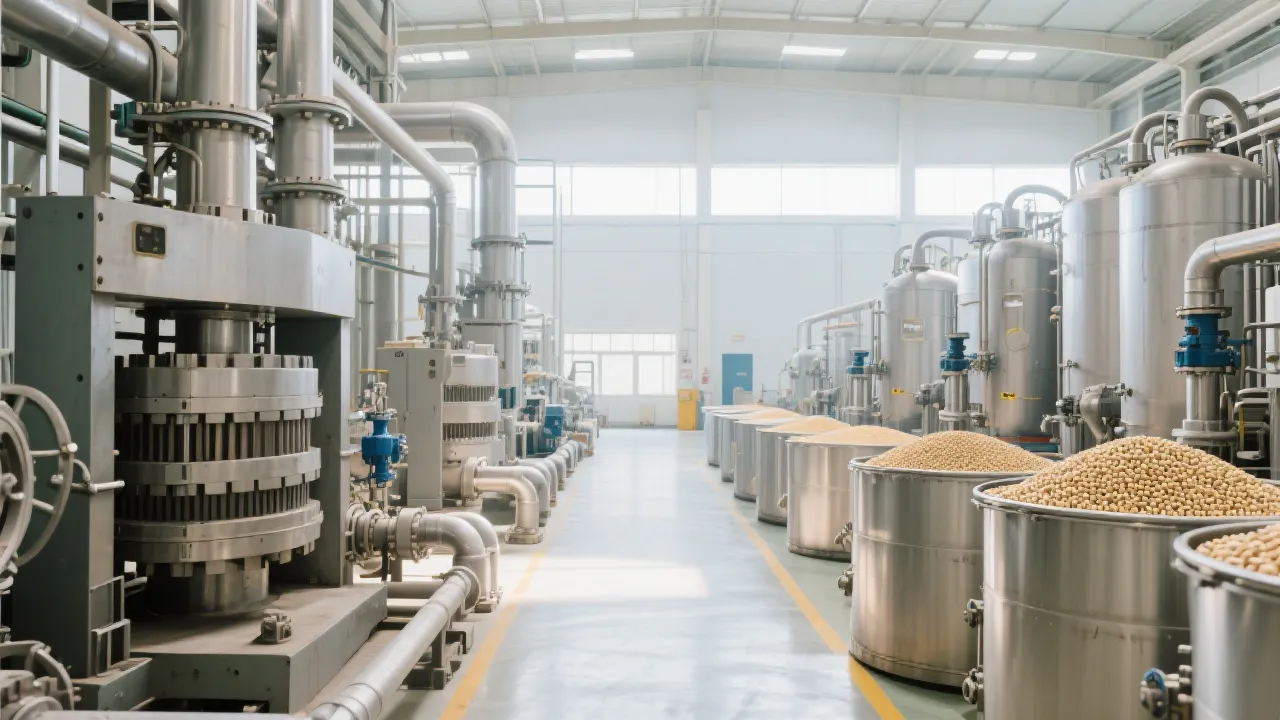
For decades, small to mid-sized oilseed processors have struggled with inconsistent extraction rates and high levels of impurities in crude soybean oil—often due to outdated pressing methods that lack real-time filtration. The solution isn’t just better equipment—it’s smarter integration of automation, thermal control, and continuous processing.
According to industry data from the International Oilseed Association (IOA), many SMEs operating under 5 tons/day capacity report average soybean oil yields between 17–19%, far below the potential of 21–23% achievable with modern systems. This gap is largely caused by poor separation of solids during pressing and delayed filtering post-extraction.
A typical manual press leaves up to 3–5% residual moisture and suspended solids in the oil—leading to shorter shelf life, higher refining costs, and customer complaints about off-flavors or cloudiness.
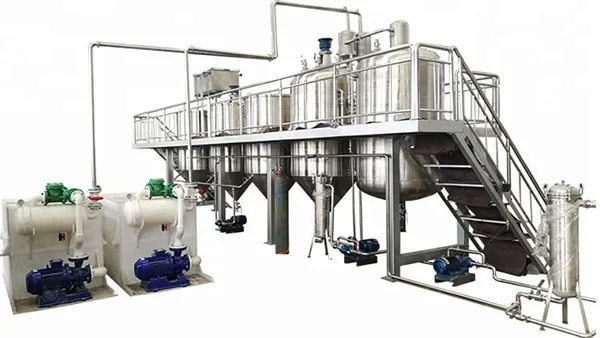
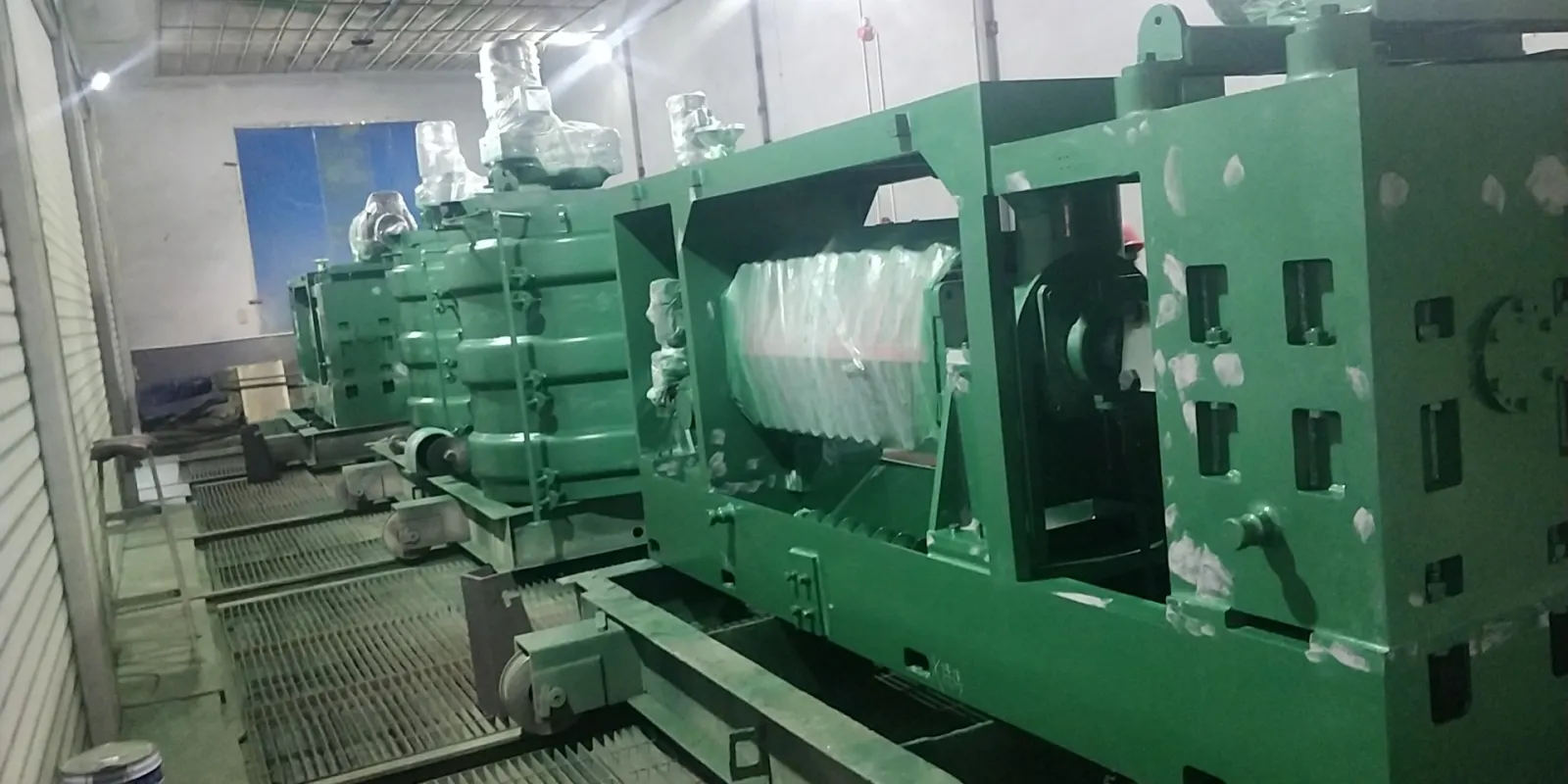
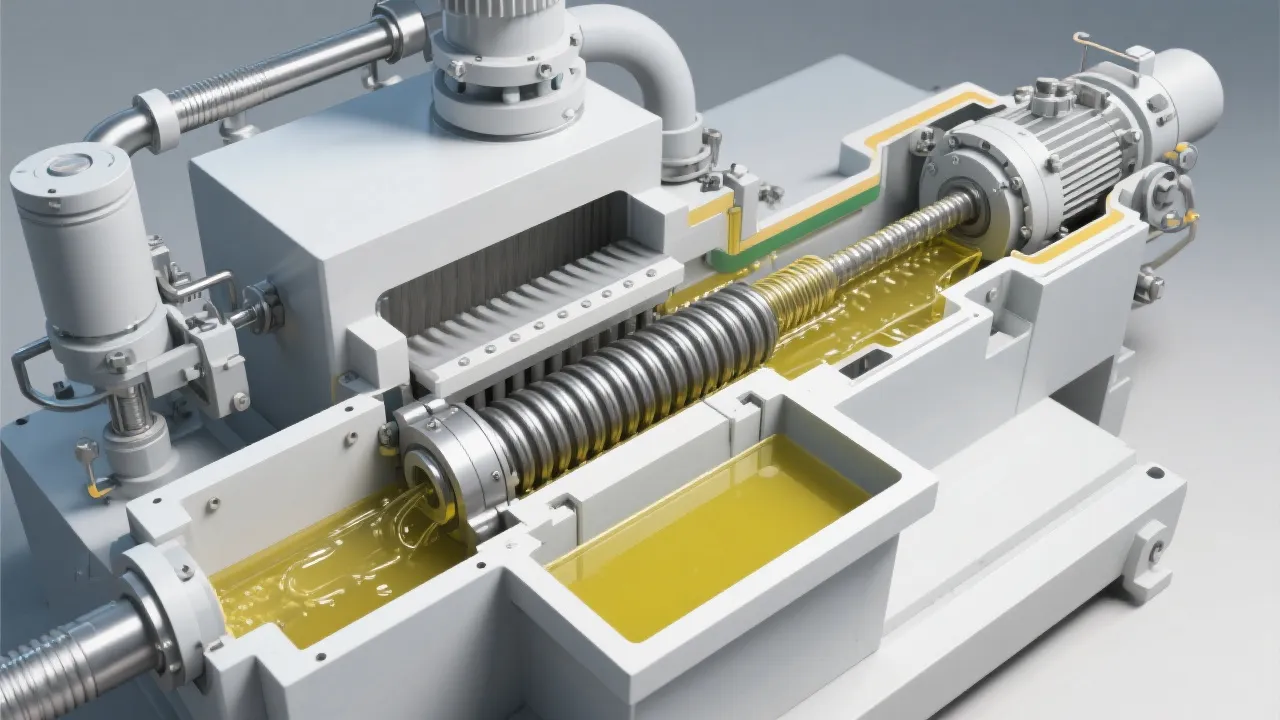
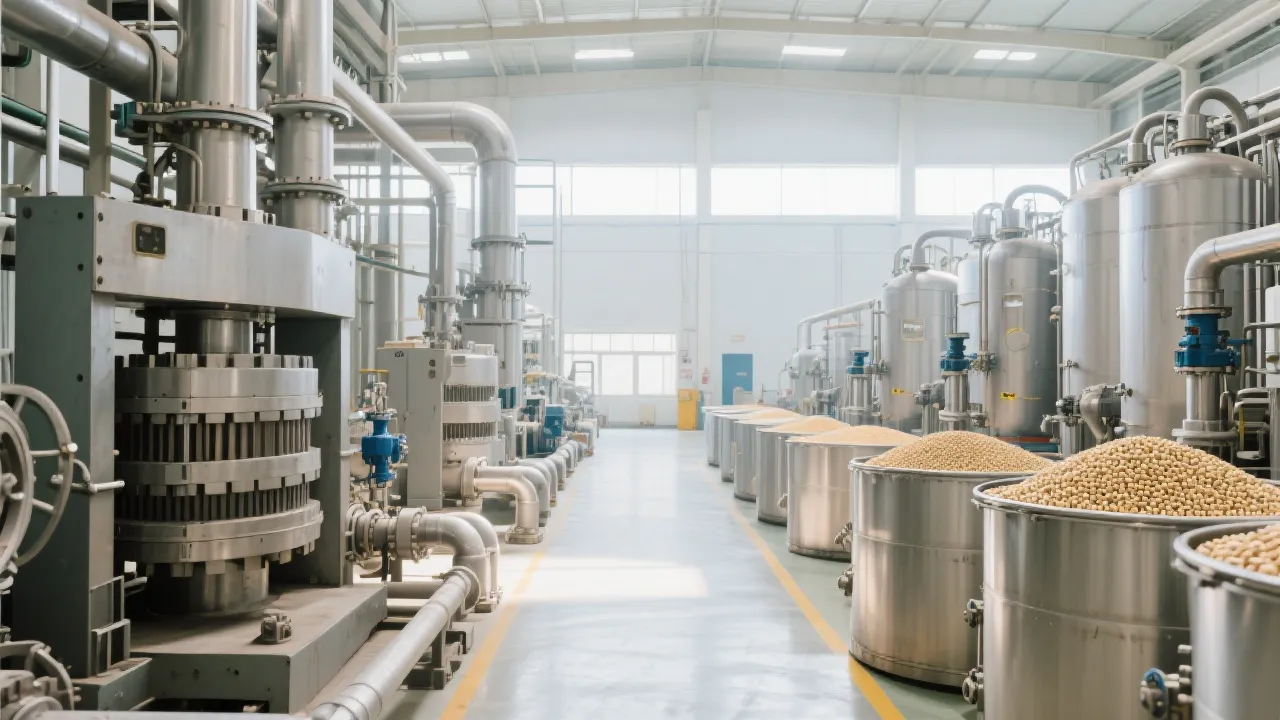
The key innovation lies in combining hot or cold pressing with immediate filtration—no more waiting for batches to cool or settle. In a heat-press system, temperatures are maintained at 105–115°C to maximize oil flow while minimizing gum formation. With automated filtration, oil passes through a multi-stage filter within seconds, removing fine particles (<10 microns) before entering storage tanks.
| Process Step | Traditional Method | Automated Filtration System |
|---|---|---|
| Pressing Temp Control | Manual adjustment → ±10°C variance | PID-controlled heating → ±2°C accuracy |
| Filtration Timing | Post-press batch process (2–4 hrs) | Real-time inline filtration (≤30 mins) |
| Oil Purity (Turbidity) | >5 NTU (Nephelometric Turbidity Units) | <3 NTU — meets international standards |
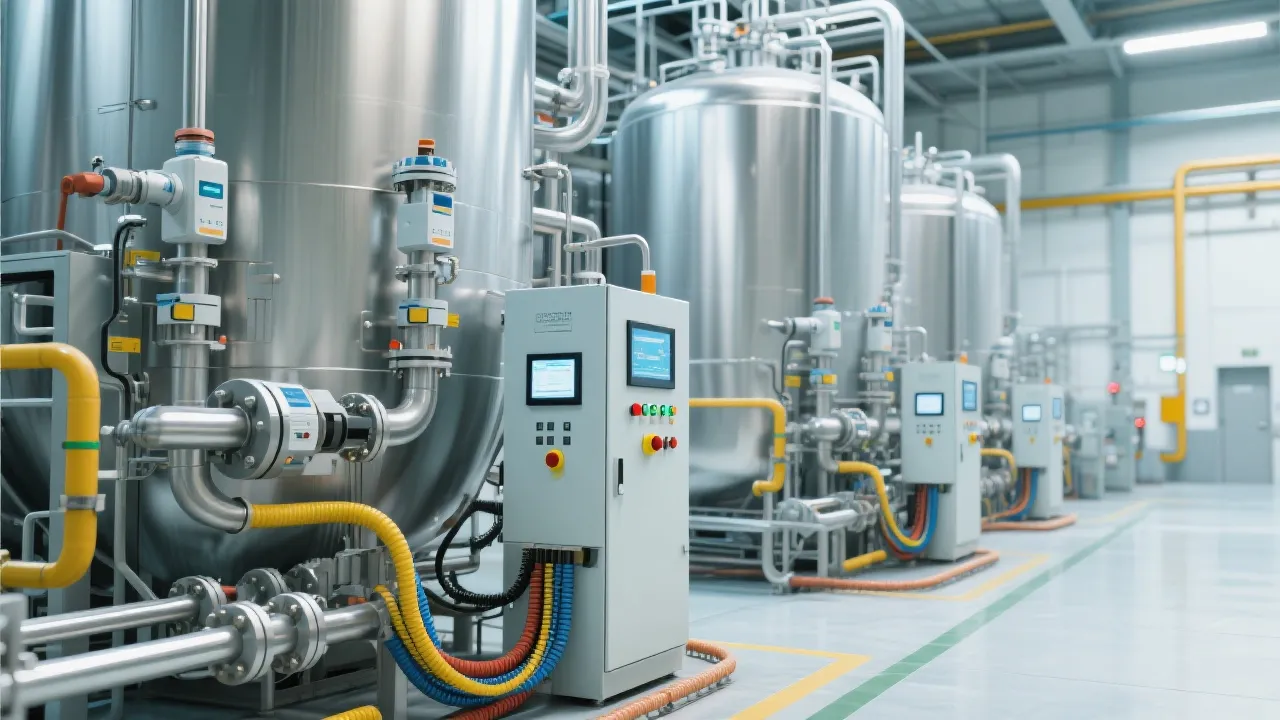
One Indonesian mill using this system reduced labor hours per shift from 6 to 3.5, while increasing daily output from 3.2 to 4.8 tons. Why? Because the smart control panel manages pressure, temperature, and cycle time automatically—no need for constant operator monitoring.
Pro Tip: Avoid overloading the press beyond 85% capacity—it can cause uneven pressure distribution and reduce filtration efficiency by up to 15%. Use the built-in load sensor as your guide.
An anonymous case study from a Thai soybean processor shows a 22% increase in yield after switching to an automated filtration press. They also cut their refining costs by $0.12/kg of oil—resulting in an additional $18,000/month profit at scale.
Still unsure if your mill can benefit?
See How Our Automated Soybean Oil Press Improved Efficiency for Similar Mills soybean oil refining equipment
energy-efficient oil processing machinery
food-grade stainless steel equipment
CE certified oil machinery
modular oil refinery systems
soybean oil refining equipment
energy-efficient oil refining systems
food-grade stainless steel refining units
modular oil refining solutions
CE and ISO certified refining equipment
soybean oil refining equipment
degumming and deodorizing technology
degummer selection
neutralization reaction optimization
one - stop refining
Soybean oil degumming and deodorizing technology
Refining equipment optimization
Edible oil quality improvement
Deodorization process parameters
One - stop oil refining
Continuous press
Soybean dregs residual oil treatment
Automatic filtration system
Soybean oil extraction rate
Intelligent oil and grain equipment
soybean oil refining equipment
energy-efficient oil processing machinery
food-grade stainless steel equipment
CE certified oil machinery
modular oil refinery systems
soybean oil refining equipment
energy-efficient oil refining systems
food-grade stainless steel refining units
modular oil refining solutions
CE and ISO certified refining equipment
soybean oil refining equipment
degumming and deodorizing technology
degummer selection
neutralization reaction optimization
one - stop refining
Soybean oil degumming and deodorizing technology
Refining equipment optimization
Edible oil quality improvement
Deodorization process parameters
One - stop oil refining
Continuous press
Soybean dregs residual oil treatment
Automatic filtration system
Soybean oil extraction rate
Intelligent oil and grain equipment




.png?x-oss-process=image/resize,h_100,m_lfit/format,webp)
.png?x-oss-process=image/resize,h_100,m_lfit/format,webp)
.png?x-oss-process=image/resize,h_100,m_lfit/format,webp)