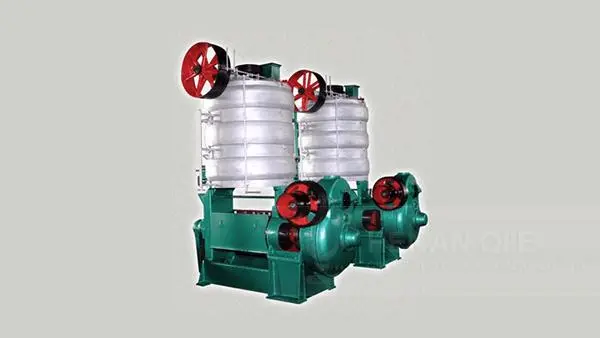
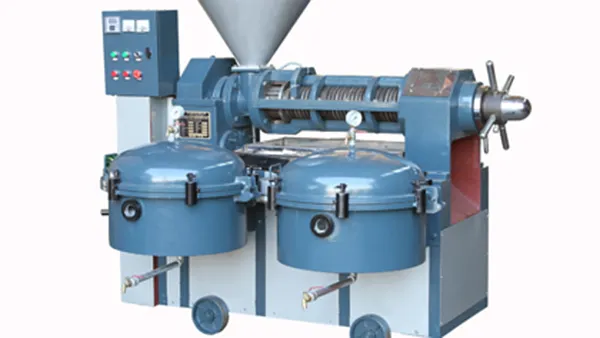
You’re not alone if you’ve seen your automatic soybean oil press underperform—especially after investing in high-capacity equipment that doesn’t match local raw material conditions. Many small and mid-sized oil mills make costly mistakes simply because they overlook one critical factor: raw material compatibility.
Start by asking: What’s your daily throughput goal? For example, a 5-ton/day press might be perfect for a family-run mill in Vietnam—but overkill for a 2-ton/day operation in Kenya where beans have higher moisture content.
| Process Type | Energy Use (kWh/kg oil) | Oil Quality | Best For |
|---|---|---|---|
| Cold Press | 0.8–1.2 | High (retains nutrients) | Premium markets (EU, USA) |
| Hot Press | 0.5–0.7 | Standard (more yield) | Mass production (Asia, Africa) |
Expert Tip: “Always test with 3–5 batches of your actual local soybeans before finalizing the model. A 10% increase in moisture can reduce output by up to 20% if filtration isn't adjusted.” — Dr. Lin Wei, Food Engineering Consultant, China Agricultural University
In Nigeria, soybeans often arrive with 15–18% moisture due to humidity during transport. Without a reinforced filter system, clogging becomes frequent—and downtime increases by 30%. In contrast, Brazilian beans typically run at 10–12%, allowing standard hydraulic systems to perform reliably.
That’s why we recommend matching your machine’s key components:
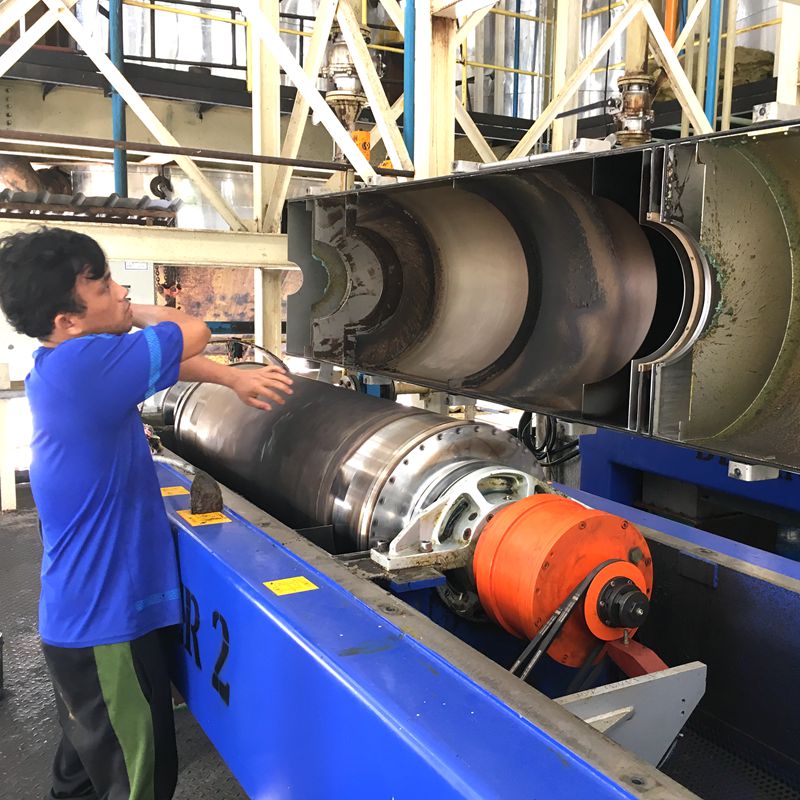
Even the best machine fails fast without proper setup. We’ve seen clients skip calibration steps—resulting in uneven pressure distribution and premature bearing failure. A full 4-hour commissioning check is non-negotiable.
And here’s what most forget: Clean the filter every 48 hours when processing wet beans. One hour of maintenance weekly saves 3–5 days of unplanned downtime annually.
Pro tip: If you're targeting green certifications like ISO 14001 or FSSC 22000, choose machines with built-in energy monitoring. These features cut operational costs by up to 18% over five years—not just in electricity but also labor and waste reduction.

Whether you're scaling up in Southeast Asia or launching a new plant in East Africa, getting the right press starts with understanding your raw materials—not just your budget.
With over 120 countries served globally, our team at Penguin Group has helped more than 300 oil mills avoid common pitfalls through tailored equipment selection and training programs. Let us help you build a smarter, more sustainable line.
Get Your Free Equipment Compatibility Assessment Now →Quick Test: Is your soybean moisture level above 12%? Then consider a cold-press system with advanced filtration. Below 12%? A hot-press unit will give better ROI for volume-focused operations.
 Soybean oil refining equipment
Energy - saving technology
Modular design
Food safety certification
Green transformation
cold pressed soybean oil yield
temperature control in oil pressing
automatic filtering press
soybean oil extraction optimization
oil pressing efficiency improvement
Soybean oil yield improvement
Automatic filtration press
Small and medium - sized oil mill process optimization
Oil filtration system
Residual oil rate reduction
soybean oil refining equipment
degumming and deodorization technology
edible oil refining process
fully automated soybean oil equipment
oil quality control
soybean oil refining process
degumming and deodorization
edible oil purification
small scale oil processing
refining optimization for food safety
Soybean oil refining equipment
Energy - saving technology
Modular design
Food safety certification
Green transformation
cold pressed soybean oil yield
temperature control in oil pressing
automatic filtering press
soybean oil extraction optimization
oil pressing efficiency improvement
Soybean oil yield improvement
Automatic filtration press
Small and medium - sized oil mill process optimization
Oil filtration system
Residual oil rate reduction
soybean oil refining equipment
degumming and deodorization technology
edible oil refining process
fully automated soybean oil equipment
oil quality control
soybean oil refining process
degumming and deodorization
edible oil purification
small scale oil processing
refining optimization for food safety


.png?x-oss-process=image/resize,h_100,m_lfit/format,webp)
.png?x-oss-process=image/resize,h_100,m_lfit/format,webp)
.png?x-oss-process=image/resize,h_100,m_lfit/format,webp)
.jpg?x-oss-process=image/resize,h_800,m_lfit/format,webp)