As a bakery owner or food manufacturer, you understand that every ingredient in your production line impacts the final product quality, customer satisfaction, and ultimately, your bottom line. Among these ingredients, baking oils play a particularly crucial role that often goes underestimated. The choice of oil can make or break your baked goods—affecting everything from texture and shelf life to production efficiency and regulatory compliance.
Industry Insight:
According to a 2023 study by the International Baking Industry Exposition, 68% of product returns in commercial bakeries can be traced back to oil-related quality issues, including rancidity, inconsistent texture, and poor shelf stability.
Free Fatty Acids (FFAs) are natural components in oils, but their concentration directly impacts oil quality and performance. When FFA levels exceed 0.15%, significant problems emerge:
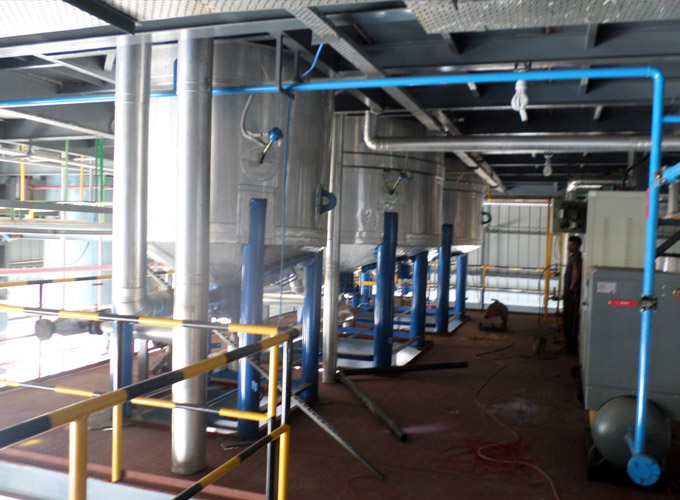
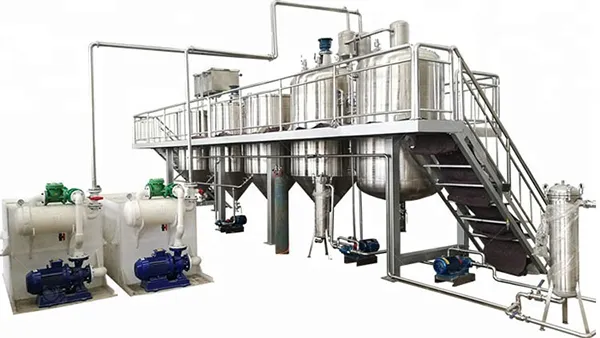
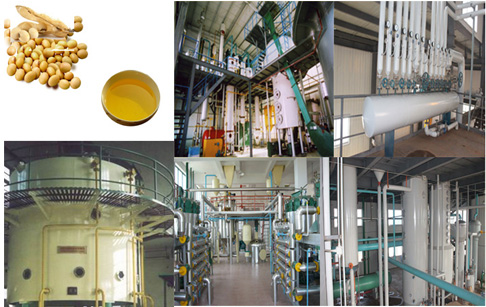
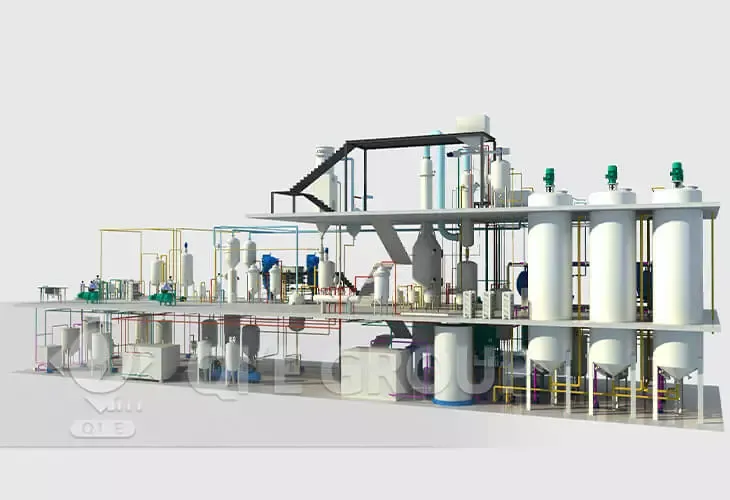
Producing low FFA soybean oil requires a sophisticated refining process that systematically removes impurities while preserving the oil's beneficial properties. Each stage plays a critical role in achieving the desired quality:
Removes phospholipids and water-soluble impurities through hydration, reducing potential for foaming during baking and improving oil stability by up to 20%.
Uses controlled alkaline treatment to reduce FFA levels to below 0.05%, the critical threshold for premium baking performance.
Activated clay adsorption removes color pigments, oxidation products, and trace metals that would otherwise accelerate spoilage.
High-vacuum steam stripping removes volatile compounds, resulting in neutral flavor profile and extending shelf life by 40-60%.
When evaluating oil performance for commercial baking, three key metrics separate low FFA soybean oil from conventional alternatives:
| Performance Metric | Low FFA Soybean Oil | Conventional Vegetable Oil | Improvement |
|---|---|---|---|
| Smoke Point | 235°C (455°F) | 190°C (374°F) | +24% |
| Oxidation Stability (Rancimat Test) | 12+ hours | 4-6 hours | +100-200% |
| Shelf Life Extension | 6-9 months | 3-4 months | +50-125% |
| Emulsification Capacity | Excellent | Moderate | Significant |
The theoretical advantages of low FFA soybean oil translate to tangible improvements in real production environments. Consider these industry case studies:
A European cookie producer switched to low FFA soybean oil and documented:
For artisanal bread producers, the benefits manifest differently but are equally impactful. The improved dough structure resulting from low FFA oil creates better volume, more consistent crumb formation, and enhanced moisture retention—qualities that command premium pricing in competitive markets.
Q: How does low FFA oil impact production costs?
A: While initial costs may be 5-8% higher, the total cost of ownership typically decreases by 12-15% due to reduced waste, longer shelf life, and improved production efficiency.
Q: Is low FFA soybean oil suitable for all baking applications?
A: It performs exceptionally well in most commercial baking applications including breads, pastries, cookies, and cakes. Its neutral flavor profile makes it versatile across sweet and savory applications.
Q: How does low FFA oil help with export compliance?
A: Our low FFA soybean oil meets strict international standards including EU food regulations, FDA requirements, and Halal certification, simplifying market access for export-oriented producers.
Experience the transformative difference of low free fatty acid soybean oil in your production line. Our technical team can help you optimize formulations for maximum quality and cost efficiency.
Consult Our Baking Oil Specialists NowAs you evaluate your production processes, remember that the oil you choose is more than just an ingredient—it's a strategic business decision affecting product quality, customer satisfaction, and your bottom line. The data speaks clearly: low free fatty acid精炼大豆油 has become the preferred choice for discerning export-oriented baking operations worldwide, delivering consistent results that translate to business success.
 solvent extraction
animal feed meal
soybean oil removal
residual oil reduction
solvent recovery system
soybean oil extraction efficiency
automatic filtration press
small oil mill optimization
hot vs cold pressing soybean oil
oil yield improvement
deodorization tower selection
soybean oil refining process
environmental emission control system
small and medium oil processing plant
edible oil quality improvement
continuous oil pressing
automatic filtration system
soybean oil extraction rate
intelligent control system
small and medium oil mill
continuous soybean oil press
automatic filtration system
intelligent control for oil mills
soybean oil extraction efficiency
small oil mill upgrade
solvent extraction
animal feed meal
soybean oil removal
residual oil reduction
solvent recovery system
soybean oil extraction efficiency
automatic filtration press
small oil mill optimization
hot vs cold pressing soybean oil
oil yield improvement
deodorization tower selection
soybean oil refining process
environmental emission control system
small and medium oil processing plant
edible oil quality improvement
continuous oil pressing
automatic filtration system
soybean oil extraction rate
intelligent control system
small and medium oil mill
continuous soybean oil press
automatic filtration system
intelligent control for oil mills
soybean oil extraction efficiency
small oil mill upgrade







.png?x-oss-process=image/resize,h_100,m_lfit/format,webp)
.png?x-oss-process=image/resize,h_100,m_lfit/format,webp)
.png?x-oss-process=image/resize,h_100,m_lfit/format,webp)
.jpg?x-oss-process=image/resize,h_800,m_lfit/format,webp)