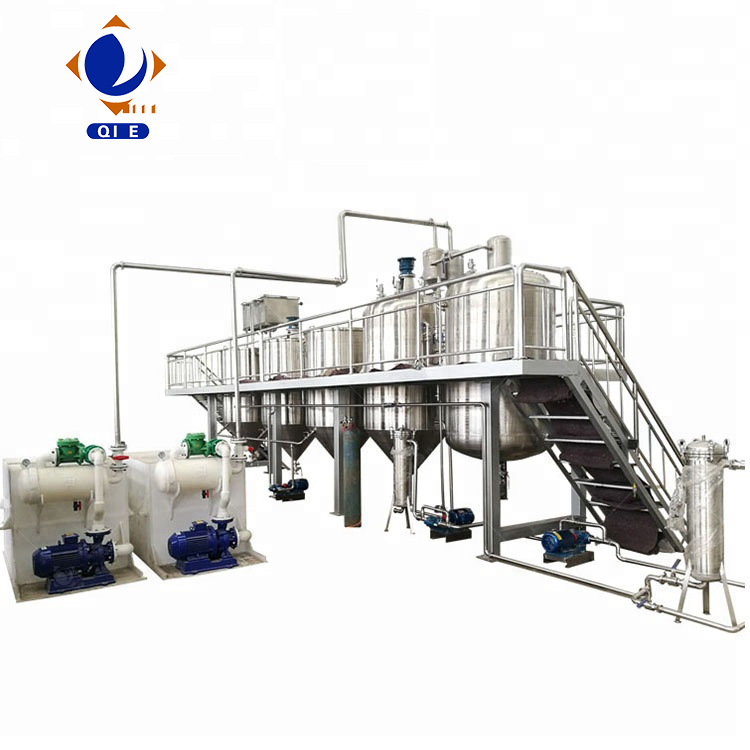
In the competitive landscape of edible oil production, selecting the right refining equipment can significantly impact operational efficiency, product quality, and overall profitability. Qie Group has established itself as a leader in developing energy-efficient soybean oil refining solutions, offering both batch and semi-continuous operation modes tailored to diverse production needs. This analysis explores the technical characteristics, application scenarios, and economic implications of these two systems to help manufacturers make informed decisions.
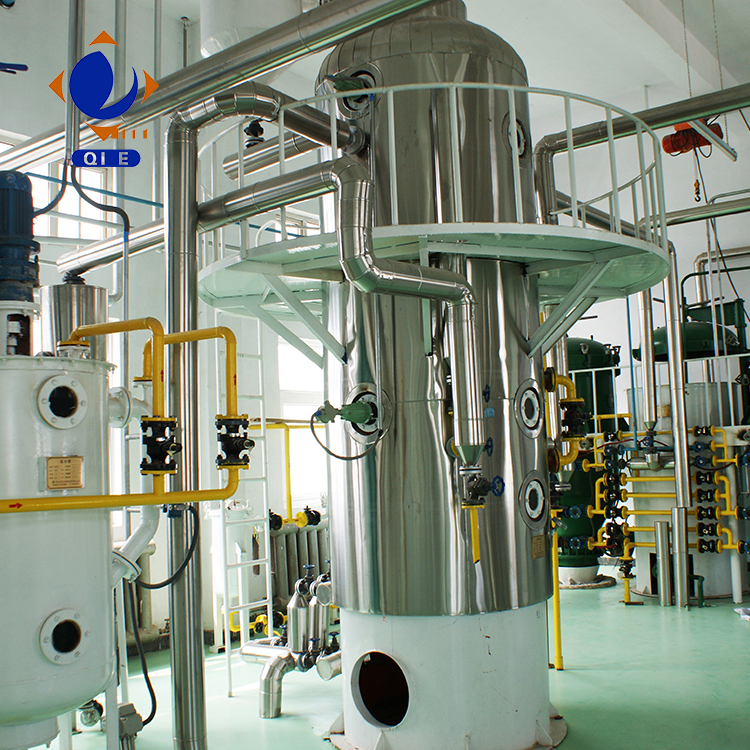
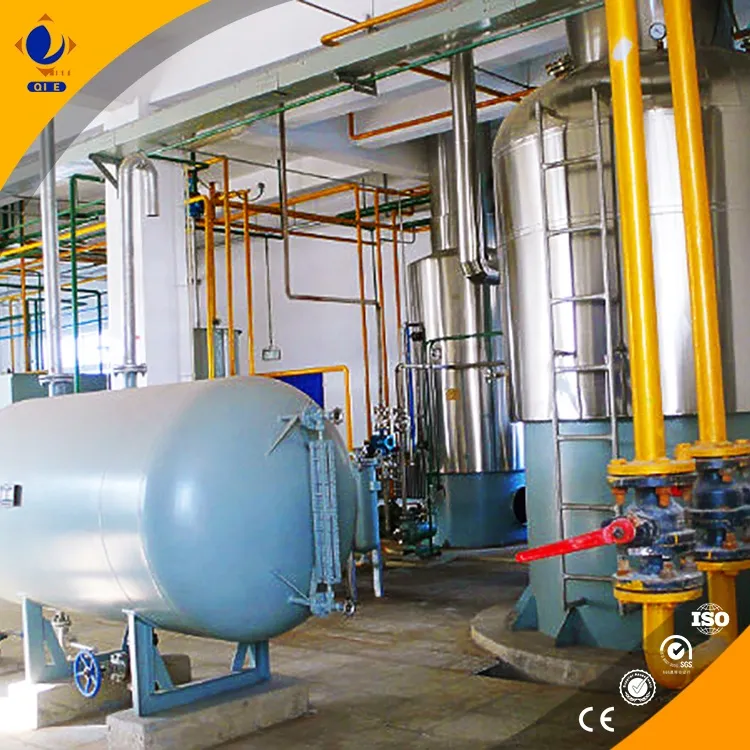
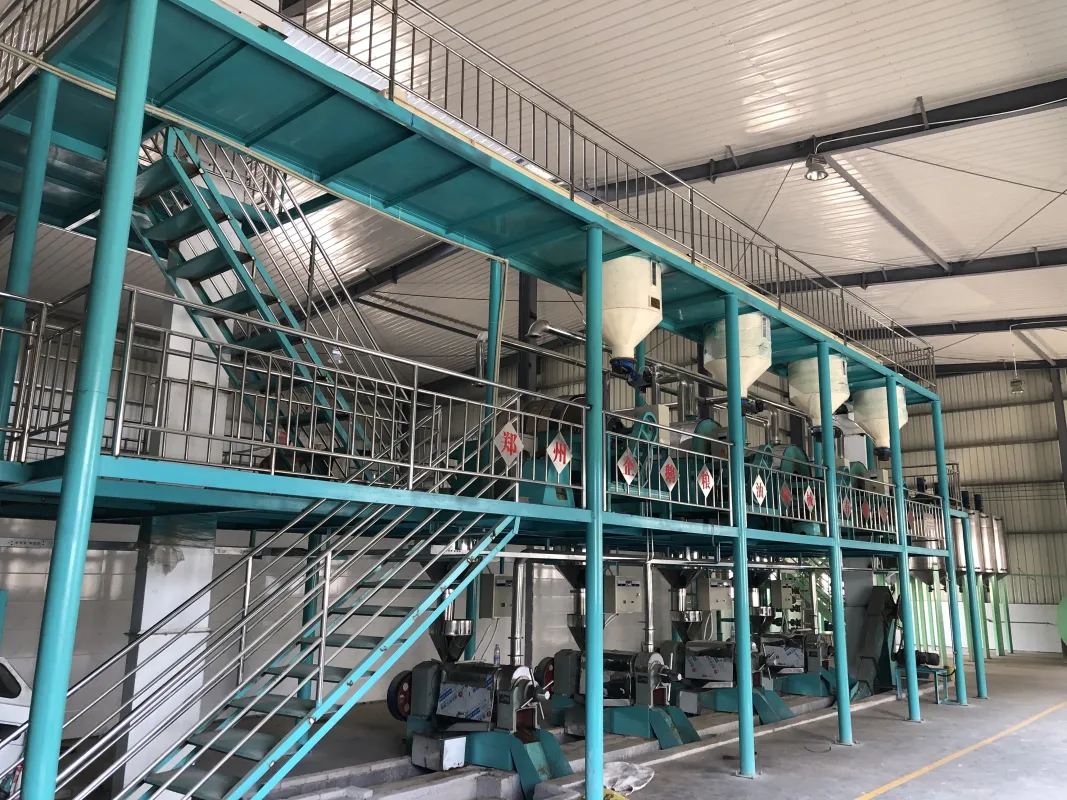
Batch refining systems process oil in discrete production cycles, typically ranging from 4-8 hours per batch, making them ideal for smaller-scale operations. These systems feature modular design with separate vessels for each refining stage—degumming, neutralization, bleaching, and deodorization. In contrast, semi-continuous systems integrate these processes into a more streamlined workflow with continuous feeding and sequential processing, reducing downtime between stages.
The fundamental difference lies in process continuity: batch systems require manual intervention between stages, while semi-continuous systems automate material transfer, maintaining consistent processing conditions. This distinction directly impacts production capacity, labor requirements, and product uniformity.
When evaluating these systems, manufacturers must consider multiple performance factors:
| Performance Metric | Batch System | Semi-Continuous System |
|---|---|---|
| Energy Consumption | 8-12 kWh per ton of oil | 5-7 kWh per ton of oil |
| Labor Requirement | 3-4 operators per shift | 1-2 operators per shift |
| Product Uniformity | ±3% variation between batches | ±1% consistent quality |
| Maintenance Cost | $0.12-$0.18 per ton | $0.08-$0.14 per ton |
Semi-continuous systems demonstrate clear advantages in energy efficiency and labor optimization, typically reducing operational costs by 18-25% compared to traditional batch processes. However, batch systems offer greater flexibility for processing multiple oil types and smaller production runs.
The optimal choice between batch and semi-continuous systems largely depends on production volume:
A recent implementation at a 50 TPD facility in Brazil illustrates the transformative impact of upgrading from batch to semi-continuous refining. The operation achieved:
22%
Reduction in energy consumption
35%
Lower labor requirements
98.7%
Product consistency rate
Another case involving a 15 TPD specialty oil producer in Malaysia found that a custom-configured batch system allowed them to efficiently process multiple oilseed varieties while maintaining ISO 9001 quality standards and meeting Halal certification requirements.
Qie Group's team of process engineers can conduct a free production assessment to determine the optimal system configuration for your specific needs, whether you're processing 1 ton or 1000 tons per day.
Get Your Custom Equipment ProposalBeyond initial equipment selection, Qie Group provides comprehensive global technical support, including installation supervision, operator training, and ongoing maintenance services. Our commitment to energy efficiency and automation ensures that your investment continues to deliver returns throughout the equipment lifecycle, adapting to changing market demands and regulatory requirements.
 Continuous soybean oil press
Pressing equipment with filtration function
Equipment upgrade for small and medium-sized oil mills
Automated pressing production line
Intelligent oil processing system
Solvent extraction method
Soybean meal oil content control
Solvent recycling technology
Feed meal production equipment
Oil extraction process
solvent extraction method
soybean meal oil content
animal feed processing
oil removal technology
solvent recovery system
soybean oil degumming process
oil refining techniques for small mills
food-grade oil purification
energy-efficient oil refining
phospholipid removal in soybean oil
energy-saving soybean oil refining machine
green transformation of grain and oil processing equipment
soybean oil deacidification and degumming technology
energy-efficient oil processing solutions
sustainable edible oil production
Continuous soybean oil press
Pressing equipment with filtration function
Equipment upgrade for small and medium-sized oil mills
Automated pressing production line
Intelligent oil processing system
Solvent extraction method
Soybean meal oil content control
Solvent recycling technology
Feed meal production equipment
Oil extraction process
solvent extraction method
soybean meal oil content
animal feed processing
oil removal technology
solvent recovery system
soybean oil degumming process
oil refining techniques for small mills
food-grade oil purification
energy-efficient oil refining
phospholipid removal in soybean oil
energy-saving soybean oil refining machine
green transformation of grain and oil processing equipment
soybean oil deacidification and degumming technology
energy-efficient oil processing solutions
sustainable edible oil production




.png?x-oss-process=image/resize,h_100,m_lfit/format,webp)
.png?x-oss-process=image/resize,h_100,m_lfit/format,webp)
.png?x-oss-process=image/resize,h_100,m_lfit/format,webp)
.jpg?x-oss-process=image/resize,h_800,m_lfit/format,webp)