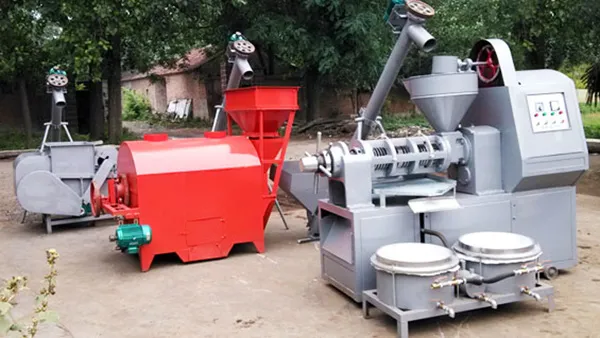
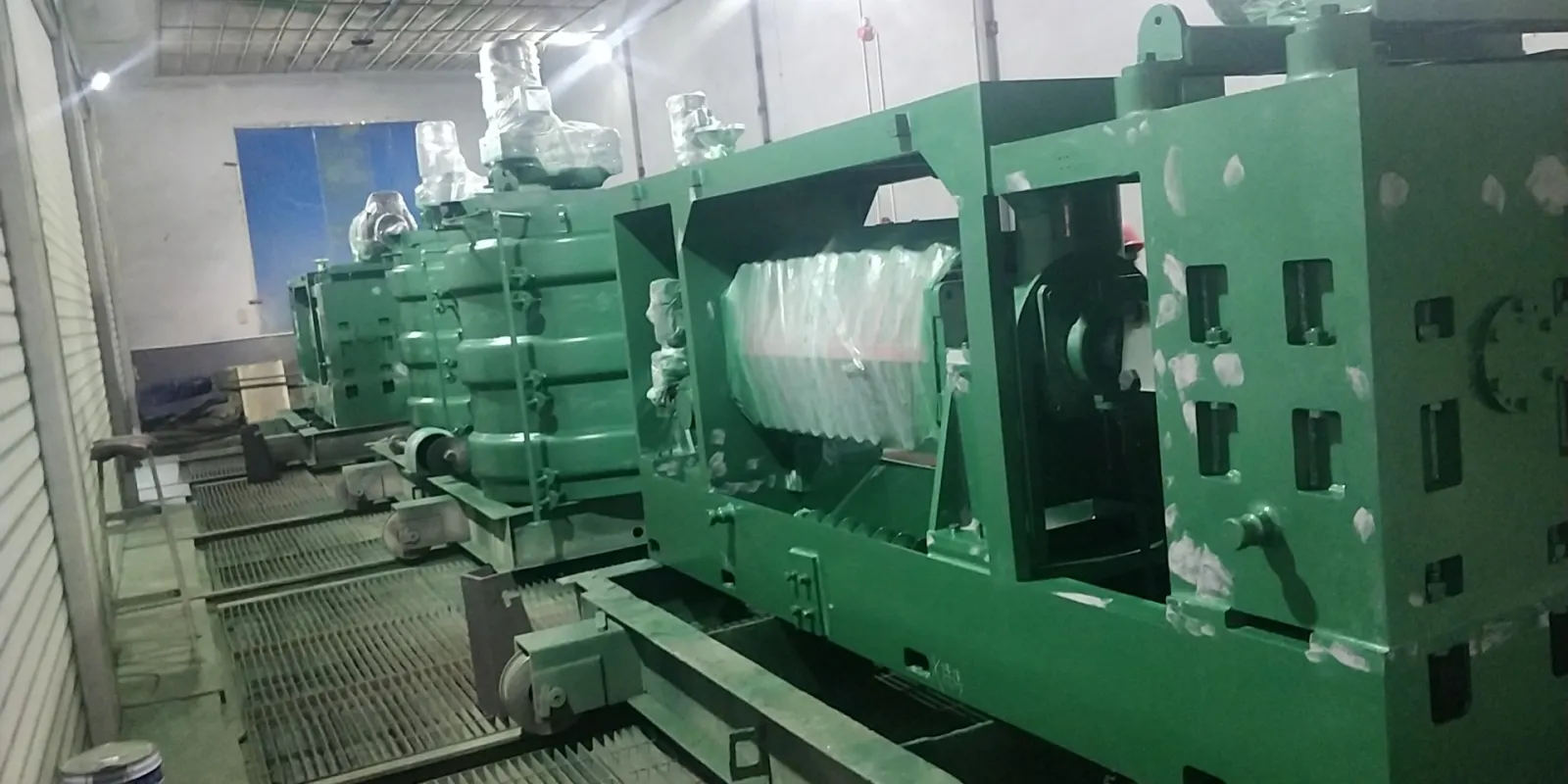
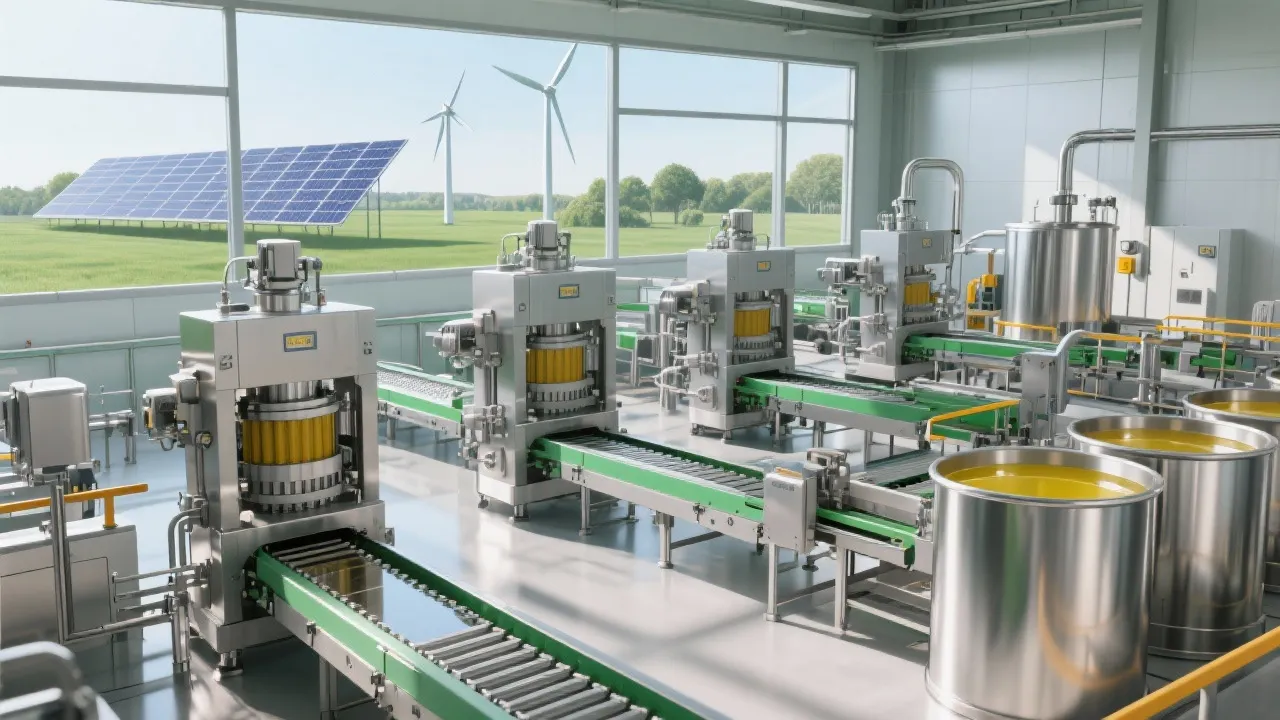
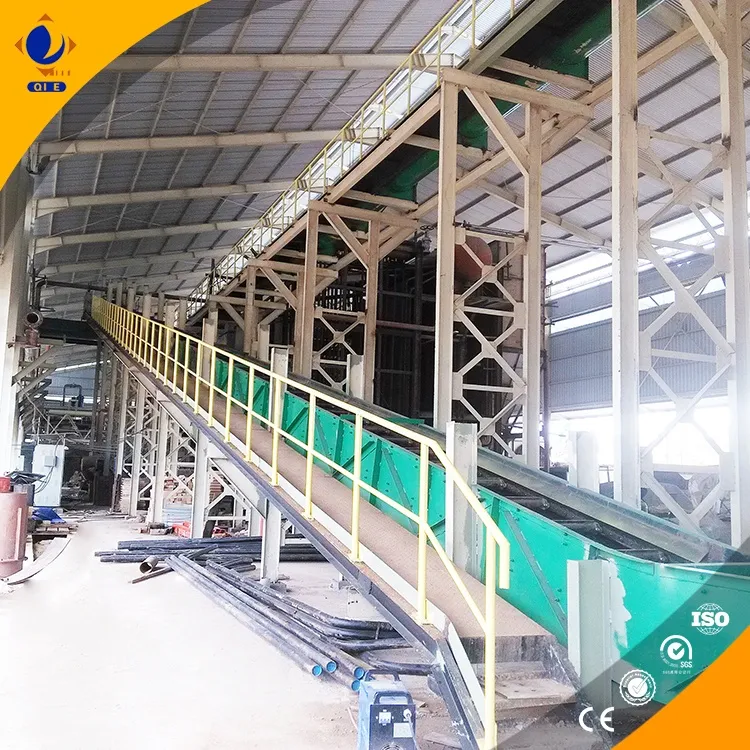
As a decision-maker in the edible oil processing industry, selecting the optimal soybean oil refining equipment is critical to balancing production efficiency, product quality, and investment returns. The choice between batch and semi-continuous operation modes significantly impacts your operational costs, labor requirements, and scalability. This guide will help you navigate these options to make an informed decision tailored to your specific production capacity and business goals.
"The right equipment configuration can reduce energy consumption by 30-40% while increasing production consistency—directly impacting your bottom line and market competitiveness."
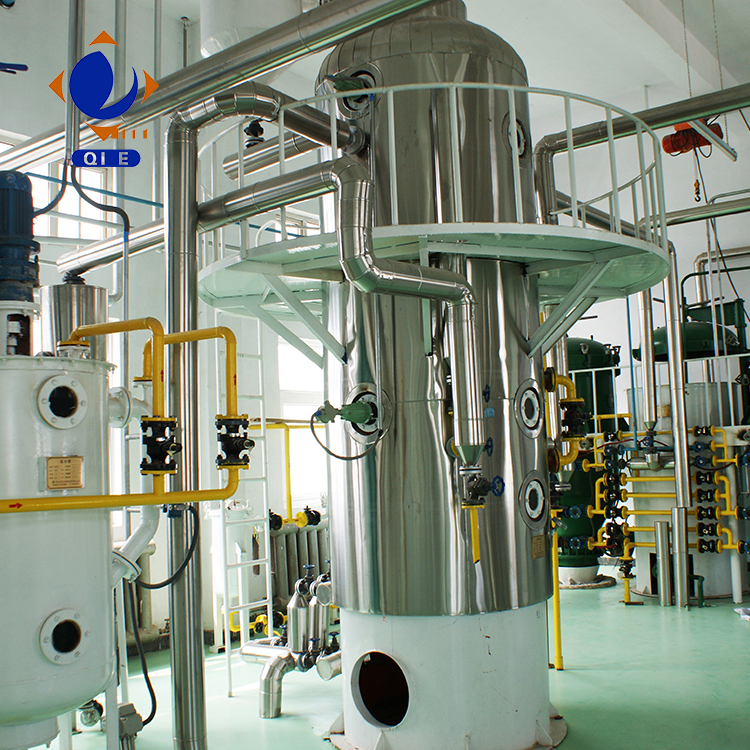
Batch and semi-continuous refining systems represent two distinct approaches to oil processing, each with unique advantages depending on your production scale and operational needs. Batch systems process oil in discrete batches, while semi-continuous systems operate with overlapping processing stages, creating a more streamlined workflow.
| Performance Metric | Batch Operation | Semi-Continuous Operation |
|---|---|---|
| Energy Consumption | Higher (15-25% more than semi-continuous) | Lower (30-35% energy savings reported) |
| Labor Requirements | Higher (manual monitoring at each stage) | 30-40% reduction in labor needs |
| Product Consistency | Moderate (batch-to-batch variation possible) | High (consistent quality parameters) |
| Initial Investment | Lower (30-40% less than semi-continuous) | Higher (but faster ROI for larger operations) |
| Floor Space Requirement | More compact | Requires more space for integrated systems |
| Flexibility for Small Batches | Excellent | Limited |
The optimal choice between batch and semi-continuous systems largely depends on your daily production capacity. Here's how to align your needs with the right technology:
Batch systems typically offer the best value for smaller producers. They require lower initial investment, offer greater flexibility for processing different oil types, and can be operated effectively with a smaller workforce.
Semi-continuous systems begin to demonstrate clear advantages in this range, providing better energy efficiency and labor savings while maintaining reasonable capital expenditure.
Semi-continuous systems become economically necessary at this scale, delivering significant operational cost savings and ensuring consistent product quality across high-volume production.
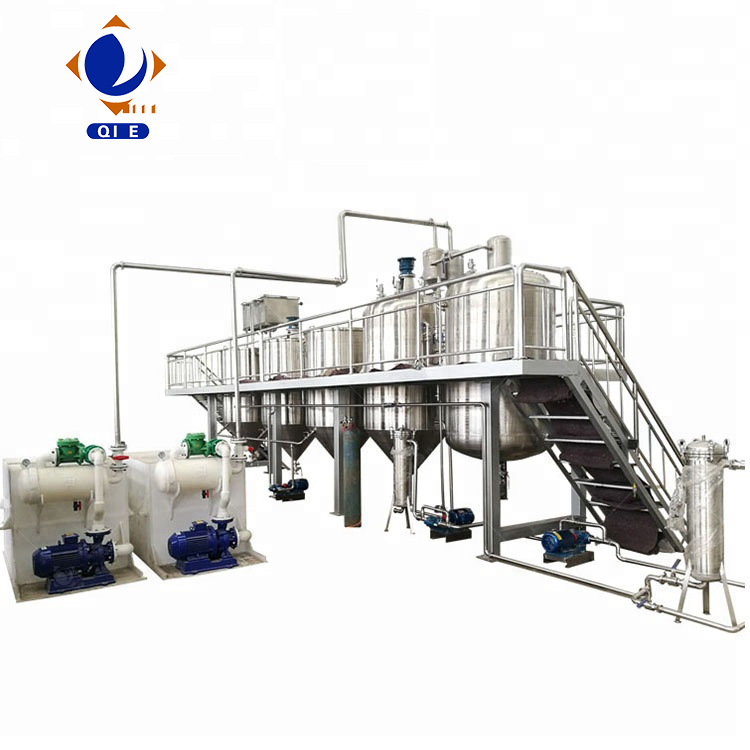
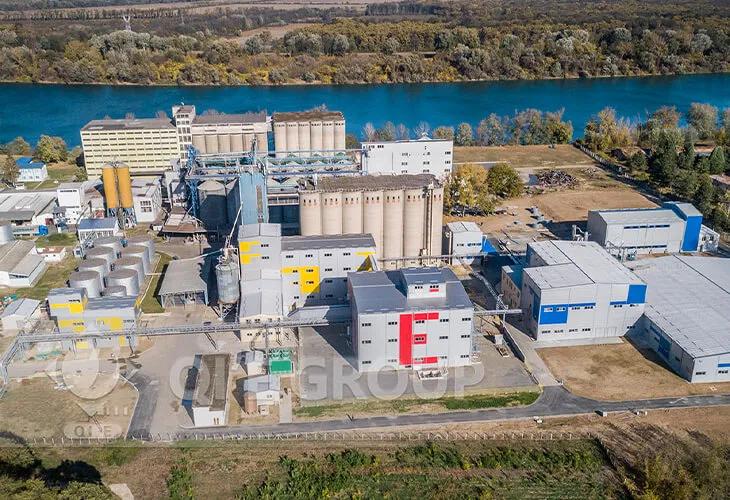
A 50-ton/day soybean processing facility in Eastern Europe recently upgraded from a traditional batch system to a semi-continuous refining line from 企鹅集团. The results after six months of operation were remarkable:
While production capacity is a primary factor, other considerations should influence your decision:
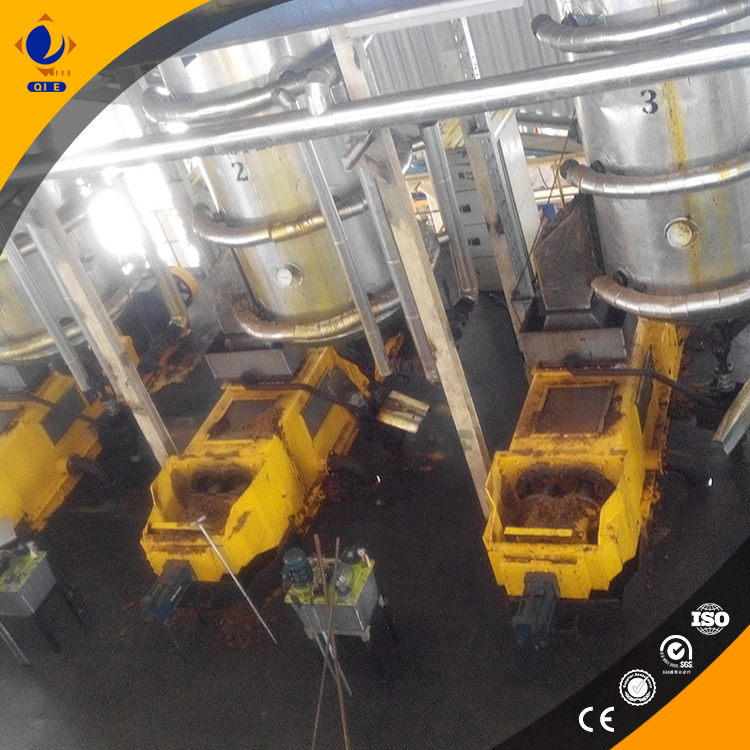
Every oil processing facility has unique needs based on local conditions, feedstock characteristics, and market requirements. Leading manufacturers like 企鹅集团 offer custom-configured systems that optimize performance for your specific situation, whether you need to process multiple oil types, handle seasonal variations in raw materials, or meet specialized quality standards for export markets.
Get personalized recommendations from our technical experts to maximize efficiency and profitability.
Get Your Custom Equipment Configuration PlanFree technical assessment with no obligation
The decision between batch and semi-continuous soybean oil refining equipment is a critical one that will impact your operational costs, product quality, and growth potential for years to come. By carefully evaluating your current production needs, future expansion plans, and quality requirements, you can select the system that delivers the best return on investment while positioning your business for long-term success in the competitive edible oil market.
 soybean oil extraction efficiency
automatic filtration press
small oil mill optimization
hot vs cold pressing soybean oil
oil yield improvement
Soybean oil refining equipment
Energy - efficient edible oil equipment
Refining equipment selection guide
Modular oil mill equipment
Energy efficiency ratio of grain and oil processing equipment
food grade refined soybean oil
baking oil selection
low free fatty acid
acid value standard
baking oil application
soybean oil extraction efficiency
automatic filtration press
continuous oil pressing system
smart control for oil mills
small oil plant optimization
Soybean oil solvent extraction equipment
Solvent recovery device selection
Soybean meal oil content control technology
Animal feed meal processing system design
Hexane solvent recovery
soybean oil extraction efficiency
automatic filtration press
small oil mill optimization
hot vs cold pressing soybean oil
oil yield improvement
Soybean oil refining equipment
Energy - efficient edible oil equipment
Refining equipment selection guide
Modular oil mill equipment
Energy efficiency ratio of grain and oil processing equipment
food grade refined soybean oil
baking oil selection
low free fatty acid
acid value standard
baking oil application
soybean oil extraction efficiency
automatic filtration press
continuous oil pressing system
smart control for oil mills
small oil plant optimization
Soybean oil solvent extraction equipment
Solvent recovery device selection
Soybean meal oil content control technology
Animal feed meal processing system design
Hexane solvent recovery


.png?x-oss-process=image/resize,h_100,m_lfit/format,webp)
.png?x-oss-process=image/resize,h_100,m_lfit/format,webp)
.png?x-oss-process=image/resize,h_100,m_lfit/format,webp)