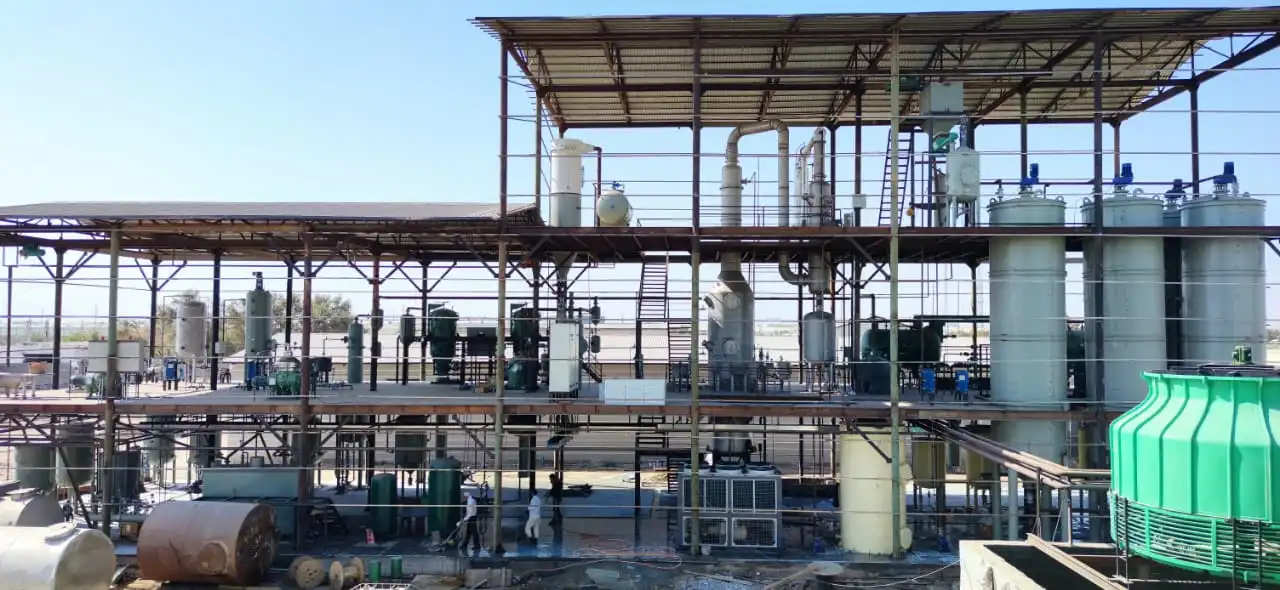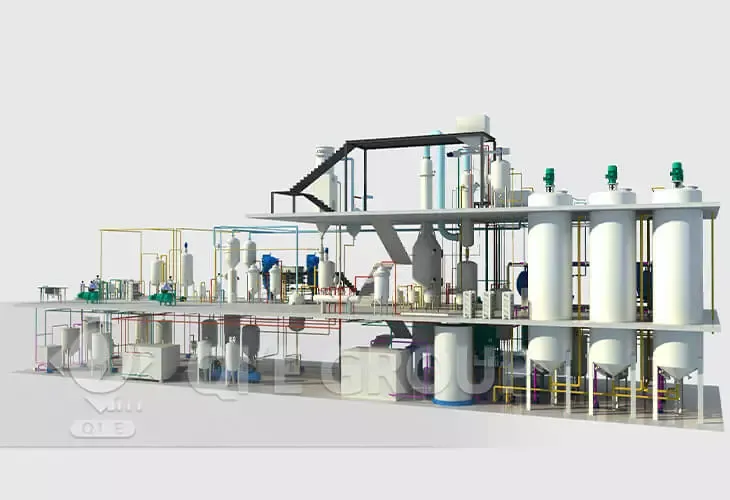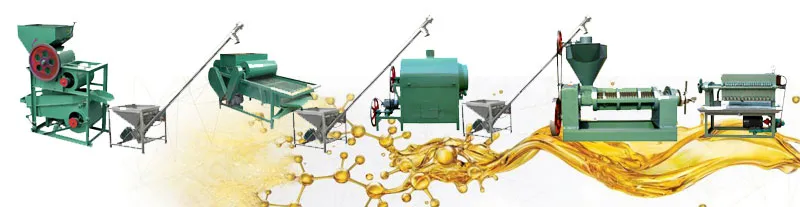
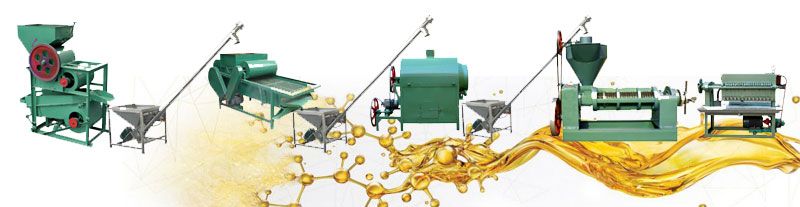
As your oil processing facility in Asia or Africa considers capacity expansion or efficiency improvement, selecting the right high-capacity soybean oil solvent extraction equipment becomes a critical decision that directly impacts your operational costs, product quality, and long-term profitability. With over 20 years of experience in supporting oil mill projects across 45+ countries, we've witnessed firsthand how the right equipment selection can increase daily processing capacity by 30-50% while reducing energy consumption by up to 22%.
"In African markets where raw material quality can vary significantly, equipment adaptability is just as important as nominal capacity. We've helped mills in Nigeria increase their effective processing capacity by 40% simply by selecting equipment better suited to local soybean characteristics." — David Chen, Senior Process Engineer, Qie Group
When evaluating equipment capacity, it's essential to distinguish between theoretical capacity and actual operational capacity. A machine rated for 300 tons/day may only achieve 220-250 tons/day in real-world conditions with typical Asian or African soybean varieties and moisture content levels (which often range from 8-14% in these regions).
The key is to match equipment capacity to your sustainable raw material supply, not just your peak demand. For example, if your weekly soybean supply averages 1,500 tons with seasonal fluctuations, a 250 tons/day system (allowing for 1-2 maintenance days) would be more appropriate than a 300 tons/day system that would run underutilized for 40% of the year, increasing your cost per ton processed.
In regions with rising labor costs like Southeast Asia or skilled labor shortages common in parts of Africa, automation becomes a strategic investment rather than a luxury. Modern extraction plants with PLC control systems can reduce labor requirements by 3-5 operators per shift while improving process consistency.
Energy consumption typically represents 18-25% of total operating costs in solvent extraction plants. When comparing equipment, focus on specific energy consumption metrics (kWh per ton of processed soybeans) rather than just upfront pricing. Modern systems incorporating heat recovery can achieve specific energy consumption as low as 85-95 kWh/ton, compared to older technologies that often exceed 120 kWh/ton.
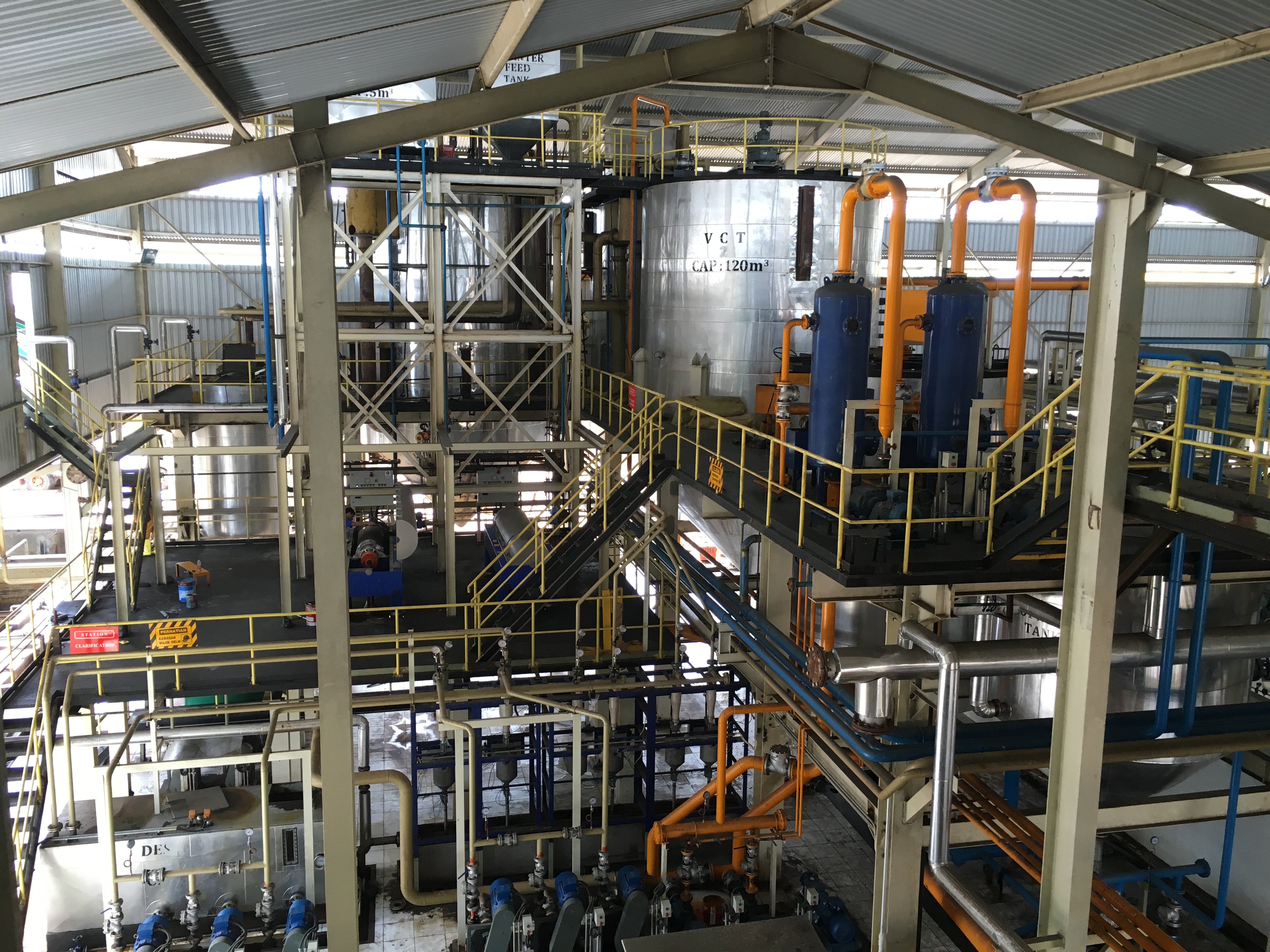
In countries like India, Pakistan, or Kenya where electricity costs can represent up to 30% of energy expenses, investing in high-efficiency equipment typically delivers ROI within 2-3 years through energy savings alone. Additionally, consider local energy sources – in regions with abundant biomass, equipment that can utilize steam from biomass boilers may offer significant long-term advantages.
Challenge: Existing 100 tons/day system struggling to meet growing demand while maintaining oil yield above 19.5%
Solution: Upgraded to a 150 tons/day Qie Group extraction line with advanced automation and heat recovery
Results: 45% increase in actual processing capacity, 12% reduction in energy costs, and stable oil yield maintained at 19.8-20.2% despite varying soybean quality from local farmers.
Another compelling example comes from a large-scale operation in Zambia, where a 500 tons/day facility faced significant challenges with temperature control during the hot season, leading to inconsistent extraction results. By implementing equipment with climate-adapted design features and improved ventilation, they reduced seasonal yield fluctuations from ±1.2% to ±0.3%.
Even experienced procurement managers often fall prey to common selection mistakes. The most frequent include:
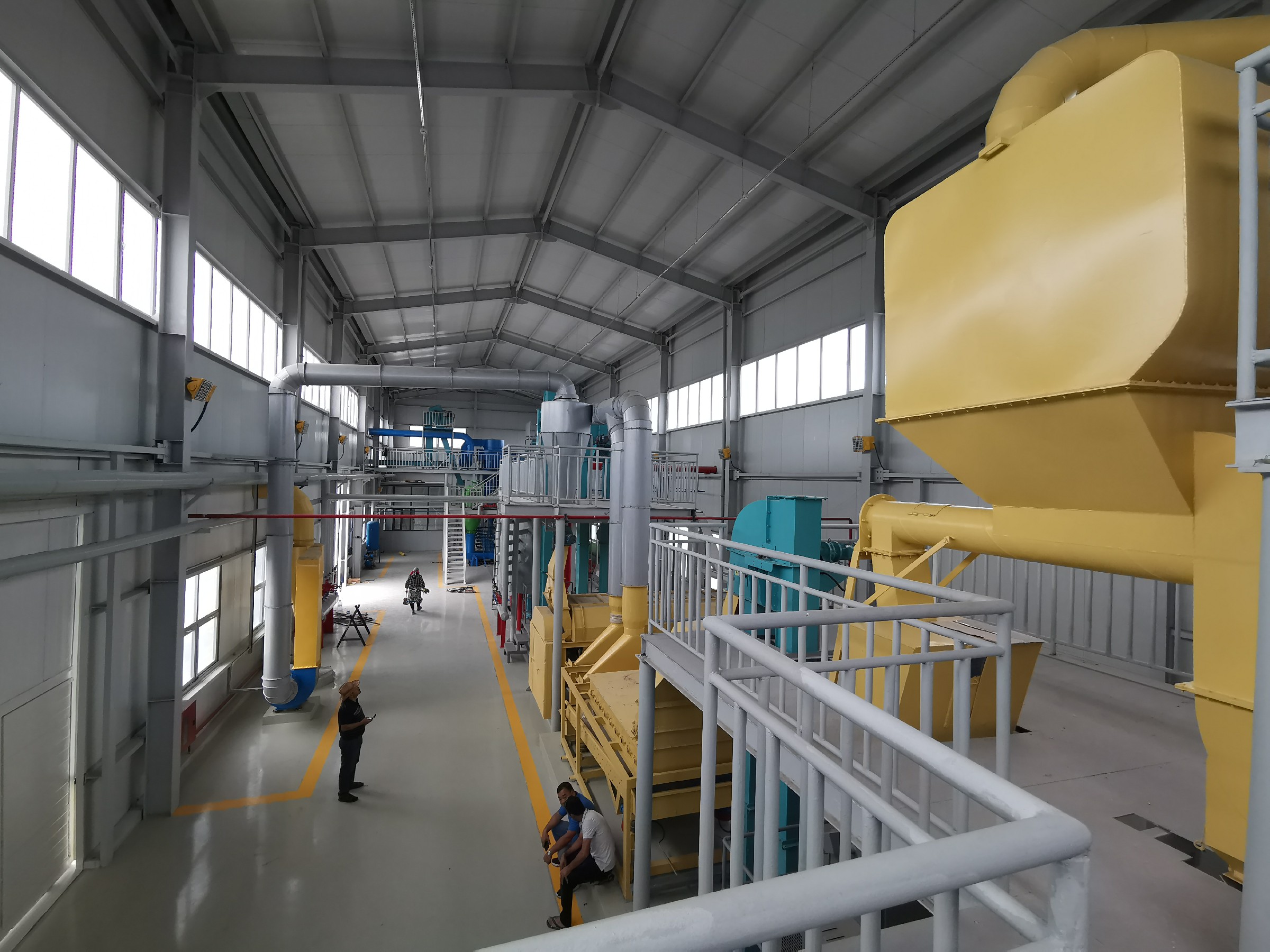
A structured evaluation process should include both technical and financial assessments. Start by defining your must-have parameters versus nice-to-have features. Key technical considerations include solvent recovery efficiency (target >99.5%), residual oil in meal (aim for <0.8%), and processing flexibility for different oilseeds beyond soybeans.
For the financial analysis, calculate not just payback period but also net present value (NPV) over a 7-10 year horizon, factoring in projected increases in labor costs, energy prices, and production volume growth. A well-designed extraction system should provide a service life of 15-20 years with proper maintenance, making the long-term view critical.
Our team of engineers specializes in designing customized solutions for Asian and African conditions. Get a personalized assessment of your current operation and equipment needs.
Get Your Custom Equipment Proposal NowRemember that the most successful equipment investments are those that align with your specific operational context – local raw material characteristics, climate conditions, labor availability, and growth projections. By taking a holistic approach to selection rather than focusing on single metrics like capacity or price, you'll position your oil mill for sustainable profitability in competitive markets.
Whether you're expanding an existing facility or building a new plant, the right equipment selection is foundational to operational excellence. With the proper due diligence and expert guidance, you can make a decision that delivers returns for years to come.
 soybean oil refining equipment
batch refining
semi-continuous refining
oil refining efficiency
edible oil production line
Soybean oil solvent extraction equipment design guide
Soybean meal oil content control technology
Solvent recovery system optimization
Animal feed meal processing technology
Hexane solvent recycling
solvent recovery system for soybean meal
desolventizing equipment maintenance
soybean meal processing efficiency
hexane solvent recycling
animal feed processing technology
solvent recovery system for animal feed meal
soybean oil extraction equipment
desolventizing equipment
energy-efficient feed processing
solvent recycling technology
soybean oil extraction equipment
solvent recovery system
animal feed meal processing
desolventizing equipment
solvent loss reduction
soybean oil refining equipment
batch refining
semi-continuous refining
oil refining efficiency
edible oil production line
Soybean oil solvent extraction equipment design guide
Soybean meal oil content control technology
Solvent recovery system optimization
Animal feed meal processing technology
Hexane solvent recycling
solvent recovery system for soybean meal
desolventizing equipment maintenance
soybean meal processing efficiency
hexane solvent recycling
animal feed processing technology
solvent recovery system for animal feed meal
soybean oil extraction equipment
desolventizing equipment
energy-efficient feed processing
solvent recycling technology
soybean oil extraction equipment
solvent recovery system
animal feed meal processing
desolventizing equipment
solvent loss reduction



.png?x-oss-process=image/resize,h_100,m_lfit/format,webp)
.png?x-oss-process=image/resize,h_100,m_lfit/format,webp)
.png?x-oss-process=image/resize,h_100,m_lfit/format,webp)