
For decades, small and medium-scale oil mills have relied on traditional batch-style pressing systems—efficient in theory but increasingly outdated in practice. These setups often result in inconsistent yields, higher labor costs, and subpar crude oil quality that demands intensive refining. But a new wave of innovation is transforming how these operators think about scale, efficiency, and sustainability.
According to industry data from the International Association of Edible Oil Producers (IAEOP), over 60% of small oil mills using intermittent presses report average extraction rates below 87%. That means up to 8% of potential oil is lost during processing—a significant loss when margins are tight. Moreover, manual operation leads to variability in temperature, pressure, and press time, which directly impacts both yield and purity.
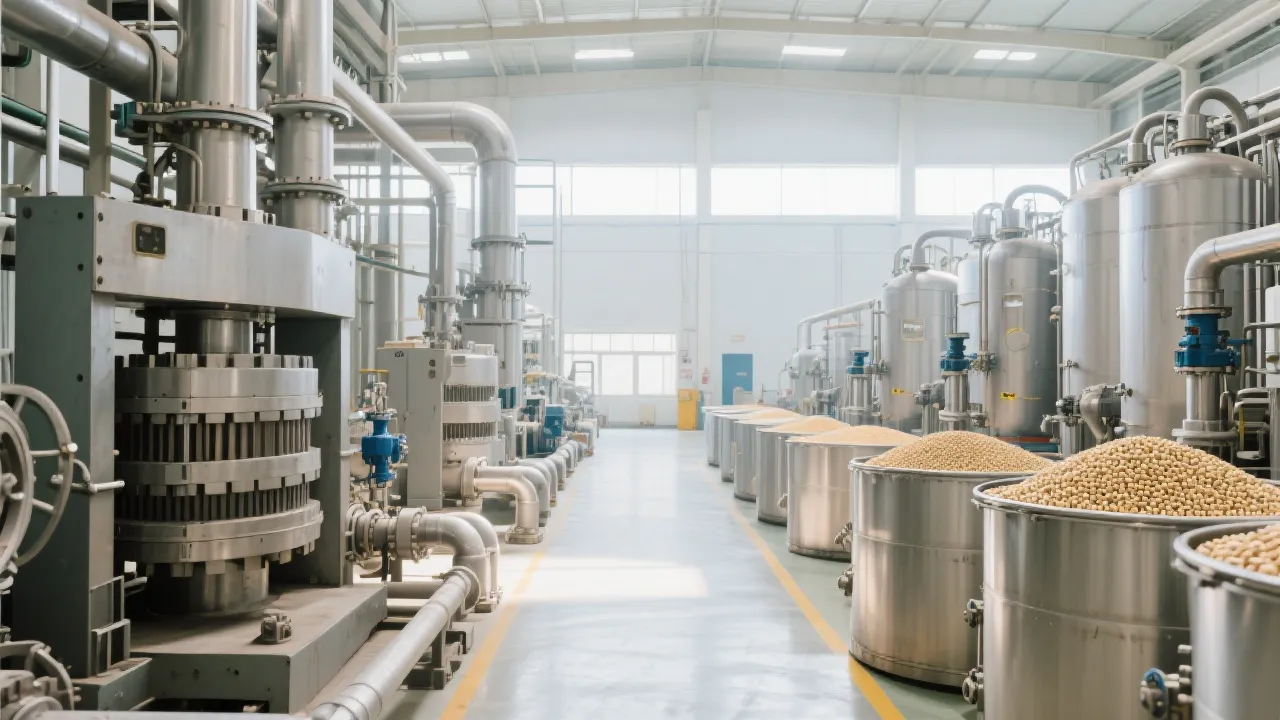
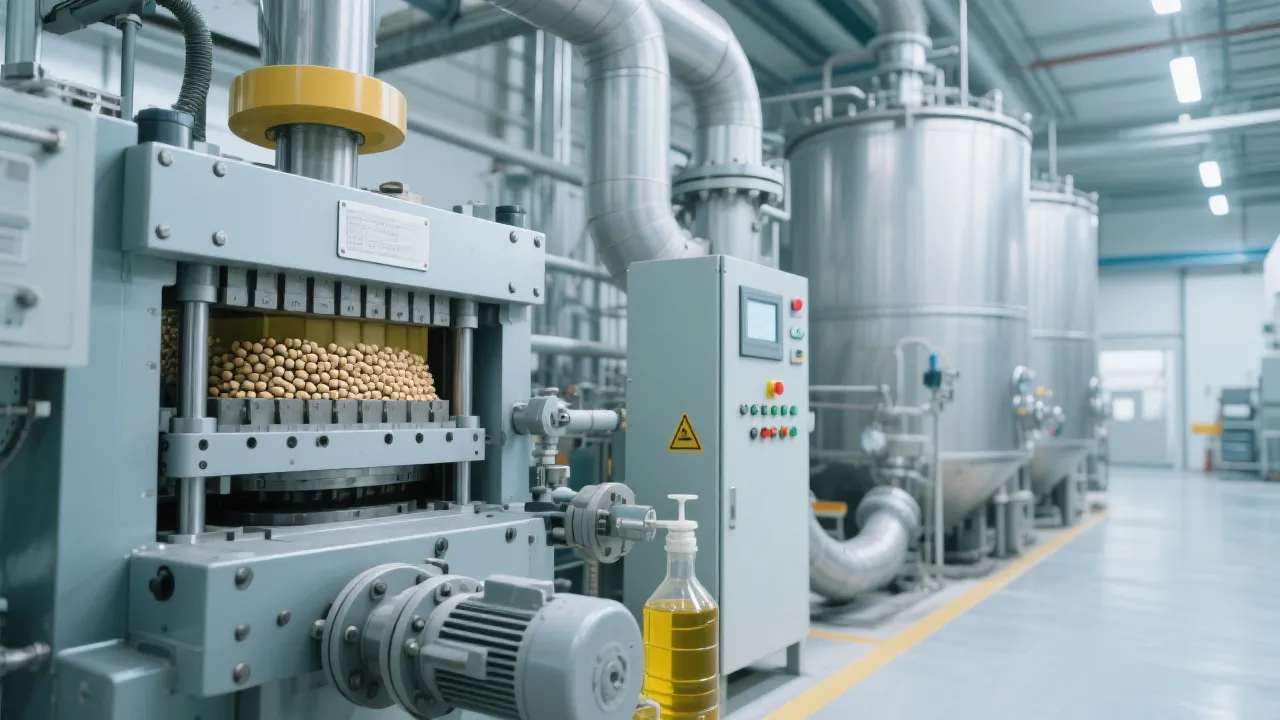
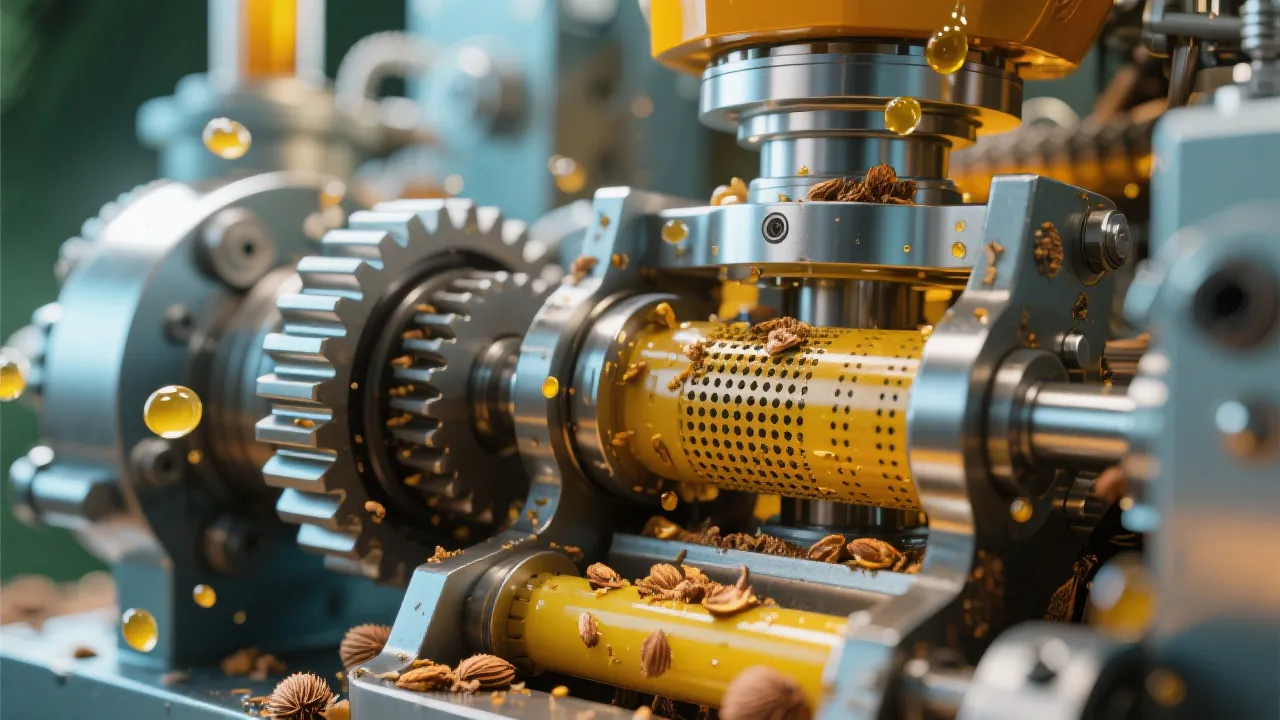
Modern continuous press lines equipped with real-time filtration systems—like those developed by Qingping Group—capture residual oil trapped in soybean cake as it exits the press. This isn’t just incremental improvement; studies show this feature can boost total oil recovery to over 95%, especially when paired with optimized screw speed and hydraulic pressure control.
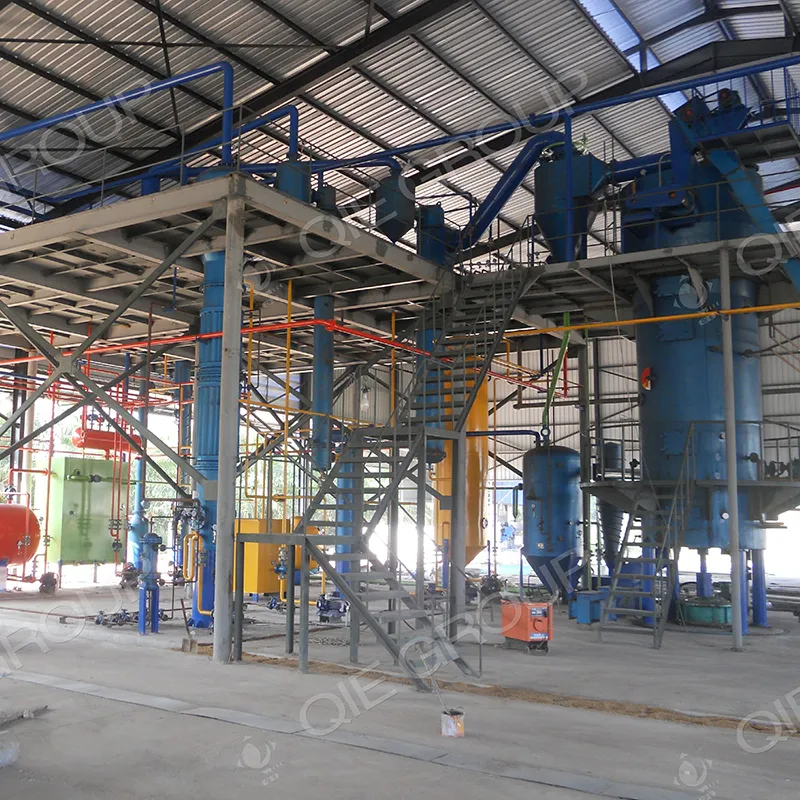
In one case study involving a 3-ton/hour facility in Vietnam, after upgrading to a fully automated system with integrated filtration, the mill saw:
What sets today’s top-tier machines apart isn’t just hardware—it’s intelligence. Features like automatic alarm triggers for overheating or blockages, plus parameter memory functions that recall optimal settings across batches, allow even non-specialist staff to run complex operations reliably. For many small mills lacking dedicated engineers, this turns “expert-level” performance into everyday reality.
Pro Tip: When evaluating equipment, ask if the system supports remote diagnostics via cloud-based dashboards—this reduces maintenance delays and increases uptime.
Qingping Group has collaborated with OEM partners in India, Brazil, and Southeast Asia to tailor these solutions to local feedstock and regulatory environments. Our global service network ensures quick spare parts delivery—even in rural areas—and our clients consistently cite reduced operational stress as a key benefit.
Let us help you calculate your potential gains based on current throughput and raw material type.
Get Your Customized Solution Now soybean oil yield enhancement
automatic filtering press technology
small and medium oil mill optimization
soybean oil extraction efficiency
integrated hot and cold pressing
soybean oil deodorization technology
automated oil refining equipment
degumming process optimization
multi-process integration in oil refining
edible oil quality control
soybean oil yield improvement
automatic filtering oil press
process optimization for small and medium-sized oil mills
oil oxidation loss
continuous production
automatic soybean oil press machine
soybean oil extraction equipment
cold press vs hot press oil extraction
oil press filter system
global soybean processing equipment
fully automatic soybean oil press
energy-efficient soybean oil press machine
small oil mill equipment selection
soybean oil press maintenance
green oil processing solutions
soybean oil yield enhancement
automatic filtering press technology
small and medium oil mill optimization
soybean oil extraction efficiency
integrated hot and cold pressing
soybean oil deodorization technology
automated oil refining equipment
degumming process optimization
multi-process integration in oil refining
edible oil quality control
soybean oil yield improvement
automatic filtering oil press
process optimization for small and medium-sized oil mills
oil oxidation loss
continuous production
automatic soybean oil press machine
soybean oil extraction equipment
cold press vs hot press oil extraction
oil press filter system
global soybean processing equipment
fully automatic soybean oil press
energy-efficient soybean oil press machine
small oil mill equipment selection
soybean oil press maintenance
green oil processing solutions






.png?x-oss-process=image/resize,h_100,m_lfit/format,webp)
.png?x-oss-process=image/resize,h_100,m_lfit/format,webp)
.png?x-oss-process=image/resize,h_100,m_lfit/format,webp)


.jpg?x-oss-process=image/resize,h_800,m_lfit/format,webp)

