
As global demand for high-quality edible oils rises, small and mid-sized oil mills are under increasing pressure to modernize. Many still rely on outdated batch presses—slow, labor-intensive, and inefficient in extracting every drop of oil from soybeans. But a new wave of innovation is reshaping the industry: continuous press systems integrated with automatic filtration.
Most small oil plants operate with manual or semi-automated presses that process one batch at a time. This method leads to inconsistent output, higher residual oil in cake (often above 8%), and frequent downtime due to clogged filters or operator error. According to our analysis of 47 operational mills in Southeast Asia and Eastern Europe, average daily throughput was just 12–15 tons per machine—with only about 87% oil recovery rate.
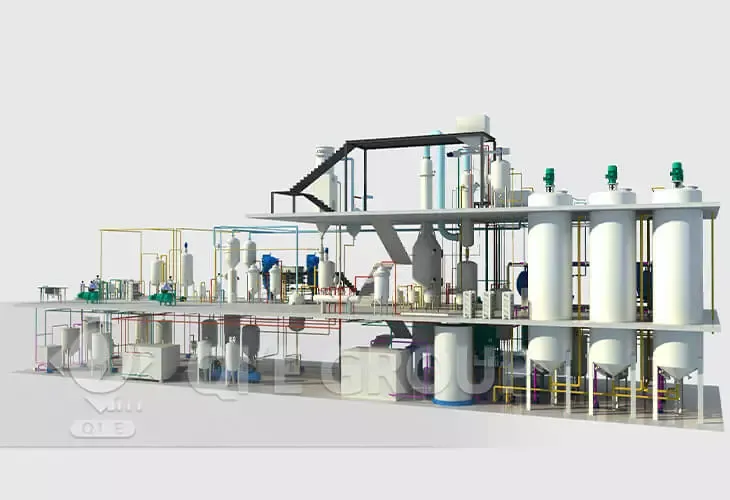
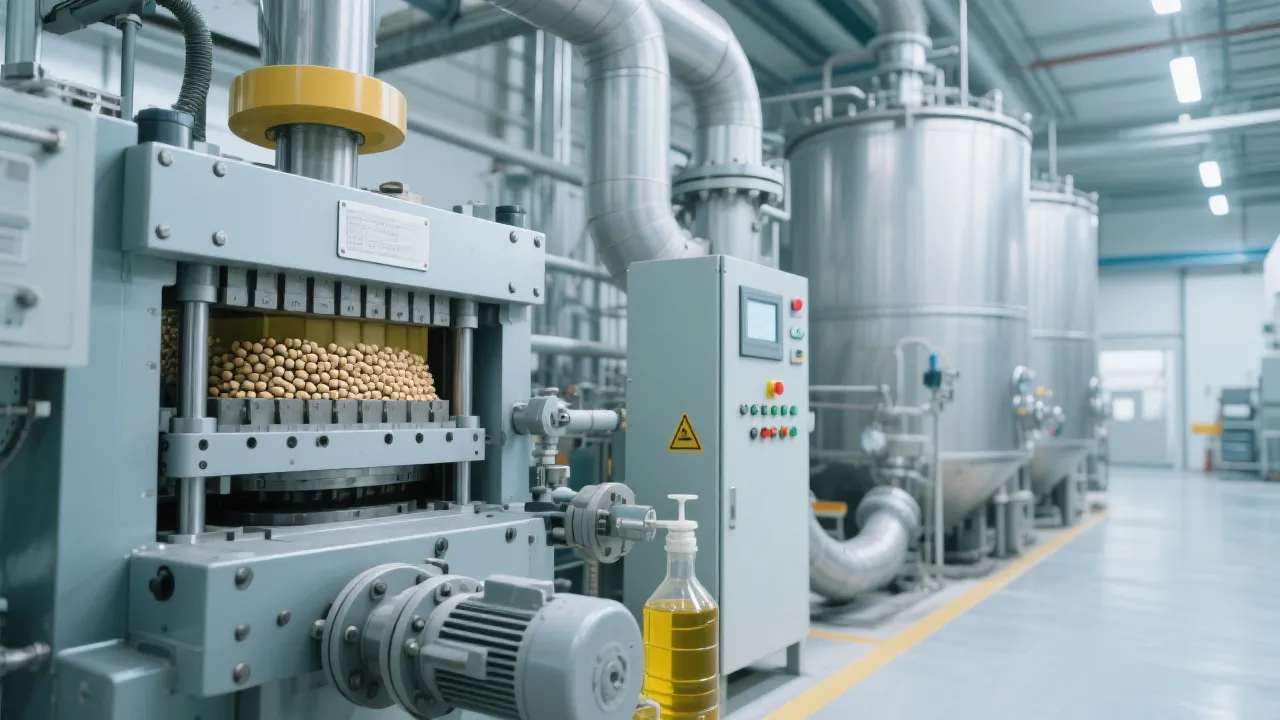
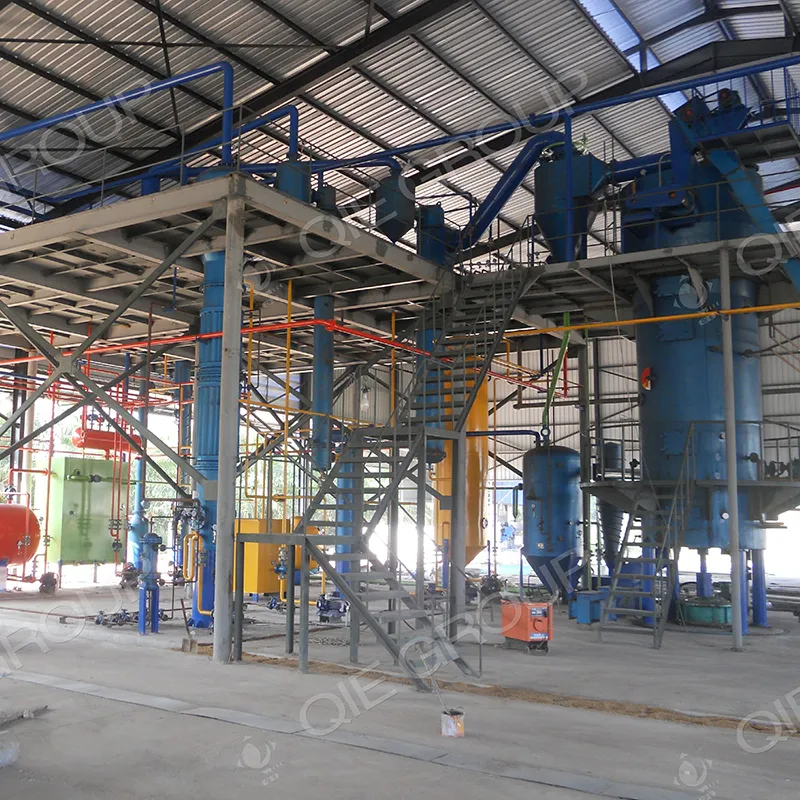
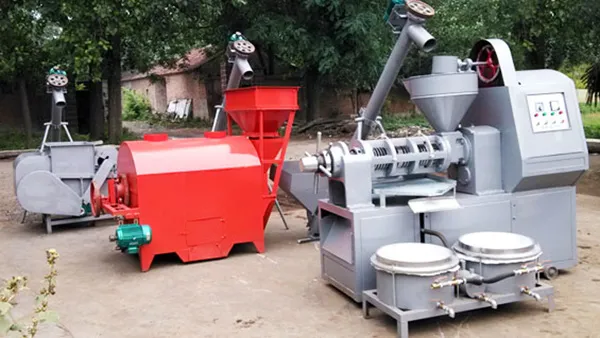
That’s where the shift begins. Modern continuous presses with built-in filtration can boost overall oil yield to over 95%, reduce labor costs by up to 40%, and deliver consistent quality even without specialized engineers on-site.
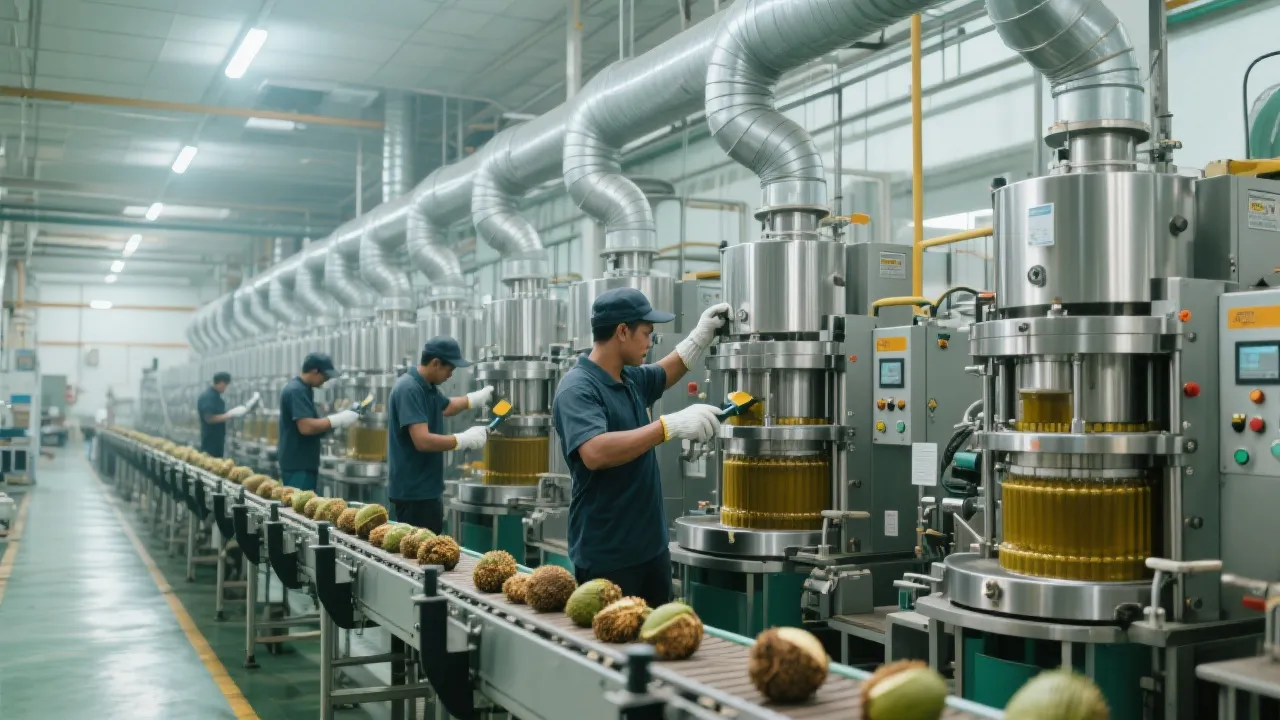
The key lies in simultaneous extraction and separation. As soybeans pass through the press, the system immediately separates the oil from solids using a dual-stage filter mechanism—capturing residual oil from crushed bean residue that would otherwise be lost. In field tests conducted with clients in India and Brazil, this feature increased total oil recovery by an average of 6–8 percentage points compared to traditional setups.
For example, a 10-ton/day facility in Vietnam saw its monthly oil yield jump from 270 to 300+ tons after upgrading to a model equipped with automatic filtering. That’s not just efficiency—it’s profitability.
What makes these machines truly transformative? Intelligent automation. Features like parameter memory, real-time alarms for pressure spikes or blockages, and self-diagnostic routines mean operators don’t need years of experience to run them effectively.
This reduces training time from weeks to days—and ensures stable performance across shifts. One client in Nigeria reported a 30% drop in production errors within two months of switching to a smart-controlled press.
Whether you're producing cold-pressed premium oil or hot-pressed commodity-grade product, today’s modular systems adapt seamlessly. The ability to adjust temperature, pressure, and flow rates allows mills to optimize for either quality or volume—without sacrificing energy efficiency.
Energy consumption drops by around 15–20% compared to older models, thanks to optimized motor control and reduced idle times. For environmentally conscious buyers in EU markets, this matters—a lot.
Your oil plant may face similar challenges: inconsistent yields, rising labor costs, or difficulty scaling. If so, it's time to ask: what if your next upgrade wasn't just about machinery—but about rethinking how you extract value?
Choose Qingping Group—let every drop count. We help you unlock hidden value in your raw materials, reduce waste, and build a future-ready operation.
Upgrade Your Press Today → soybean oil refining process
degumming and deodorization
edible oil processing equipment
food safety compliance
energy-efficient oil refining
cold pressed soybean oil yield
temperature control in oil pressing
automatic filtering press
soybean oil extraction optimization
oil pressing efficiency improvement
fully automatic soybean oil press
small oil mill equipment selection
soybean oil pressing machine maintenance
oil press installation guide
energy-efficient oil extraction technology
Soybean oil yield improvement
Automatic filtration press
Small and medium - sized oil mill process optimization
Oil filtration system
Residual oil rate reduction
energy efficient soybean oil press machine
automatic soybean oil extraction equipment
small oil mill cost reduction
soybean oil pressing process optimization
oil filtration system for soybean processing
soybean oil refining process
degumming and deodorization
edible oil processing equipment
food safety compliance
energy-efficient oil refining
cold pressed soybean oil yield
temperature control in oil pressing
automatic filtering press
soybean oil extraction optimization
oil pressing efficiency improvement
fully automatic soybean oil press
small oil mill equipment selection
soybean oil pressing machine maintenance
oil press installation guide
energy-efficient oil extraction technology
Soybean oil yield improvement
Automatic filtration press
Small and medium - sized oil mill process optimization
Oil filtration system
Residual oil rate reduction
energy efficient soybean oil press machine
automatic soybean oil extraction equipment
small oil mill cost reduction
soybean oil pressing process optimization
oil filtration system for soybean processing




.png?x-oss-process=image/resize,h_100,m_lfit/format,webp)
.png?x-oss-process=image/resize,h_100,m_lfit/format,webp)
.png?x-oss-process=image/resize,h_100,m_lfit/format,webp)
.jpg?x-oss-process=image/resize,h_800,m_lfit/format,webp)

.jpg?x-oss-process=image/resize,h_800,m_lfit/format,webp)
