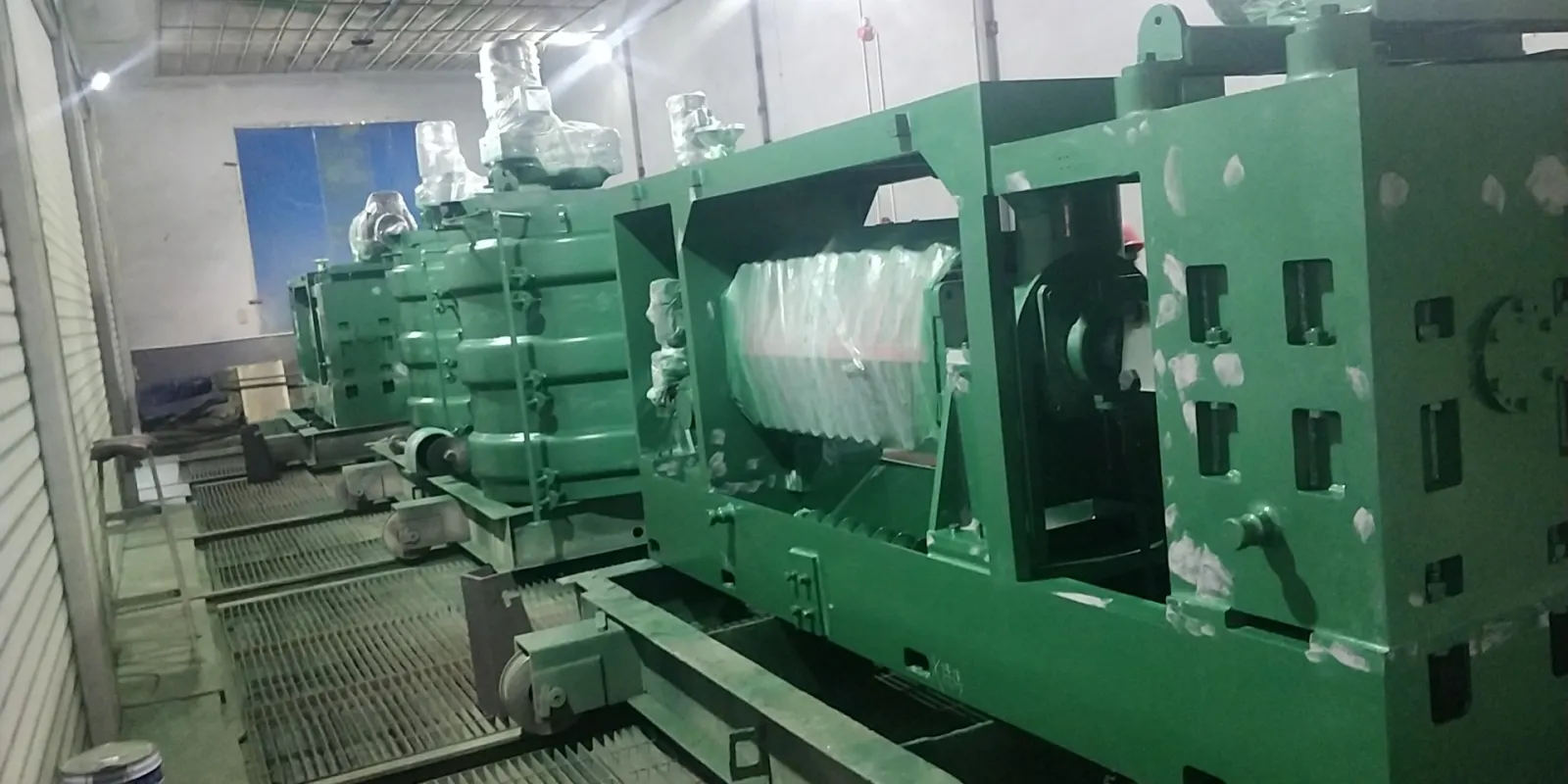
In the current scenario, the production needs of small and medium-sized oil mills are constantly evolving. The traditional batch-type pressing equipment is gradually failing to meet the requirements of efficient and pure crude oil production. This has led to a significant industry transformation towards continuous pressing equipment with filtering systems, such as the soybean oil press from QIE Group.
Traditional batch-type pressing equipment has several limitations. In terms of production efficiency, it operates in a discontinuous manner, which results in lower output per unit time. On average, the production capacity of traditional batch-type equipment is only about 60 - 70% of that of continuous pressing equipment. For example, a small oil mill using traditional equipment may produce only 5 - 8 tons of crude oil per day, while a continuous pressing system can reach 10 - 15 tons or more.
Regarding oil purity, traditional equipment often leaves a large amount of residue in the crude oil. The impurity content in the crude oil produced by traditional batch-type equipment can be as high as 3 - 5%, while the continuous pressing equipment with a filtering system can reduce this to less than 1%. This high impurity content not only affects the quality of the crude oil but also increases the cost of subsequent refining processes.
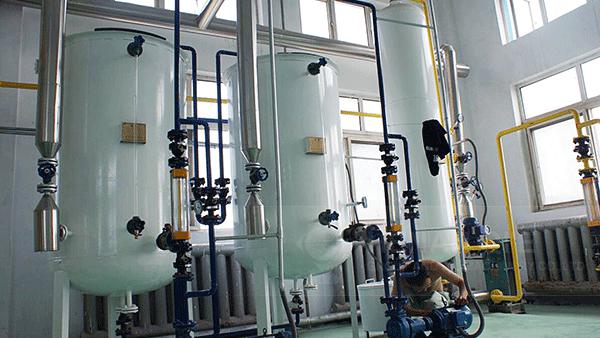
In addition, the operation of traditional batch-type equipment is relatively complex. It requires a high level of technical skills from operators, which is a challenge for small and medium-sized enterprises with limited technical resources. The complex operation also leads to higher labor costs and potential production instability.
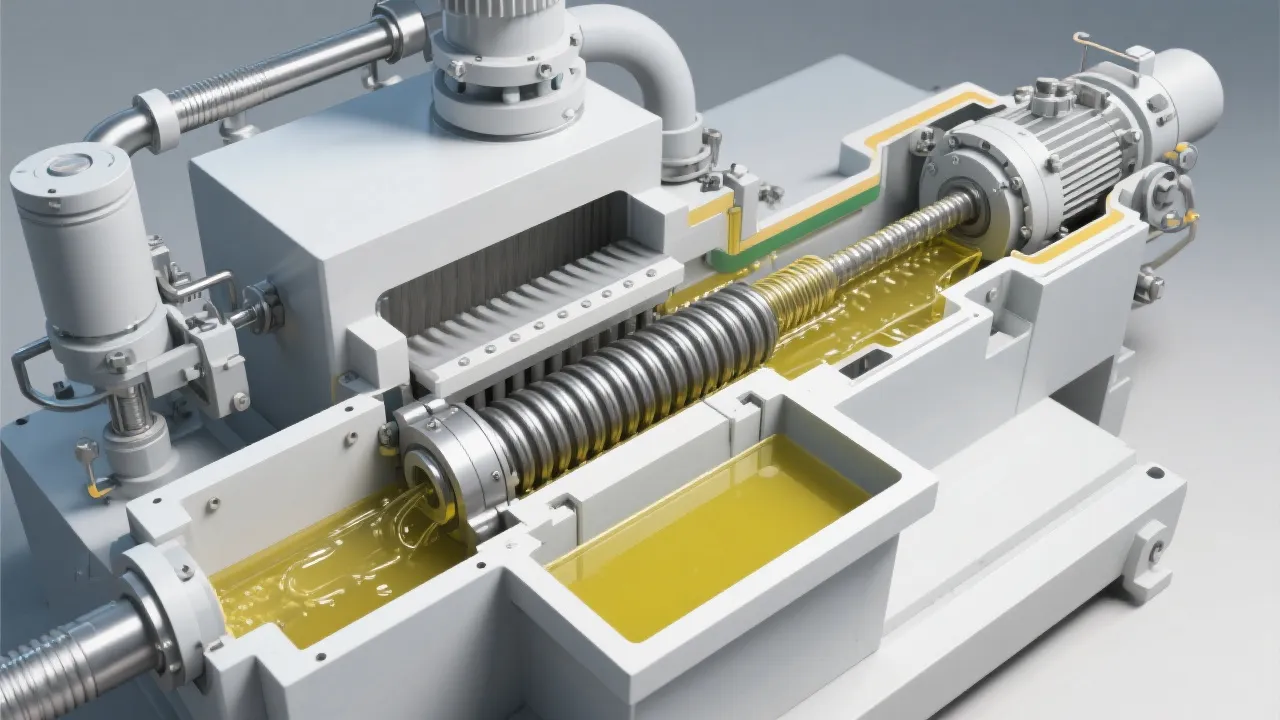
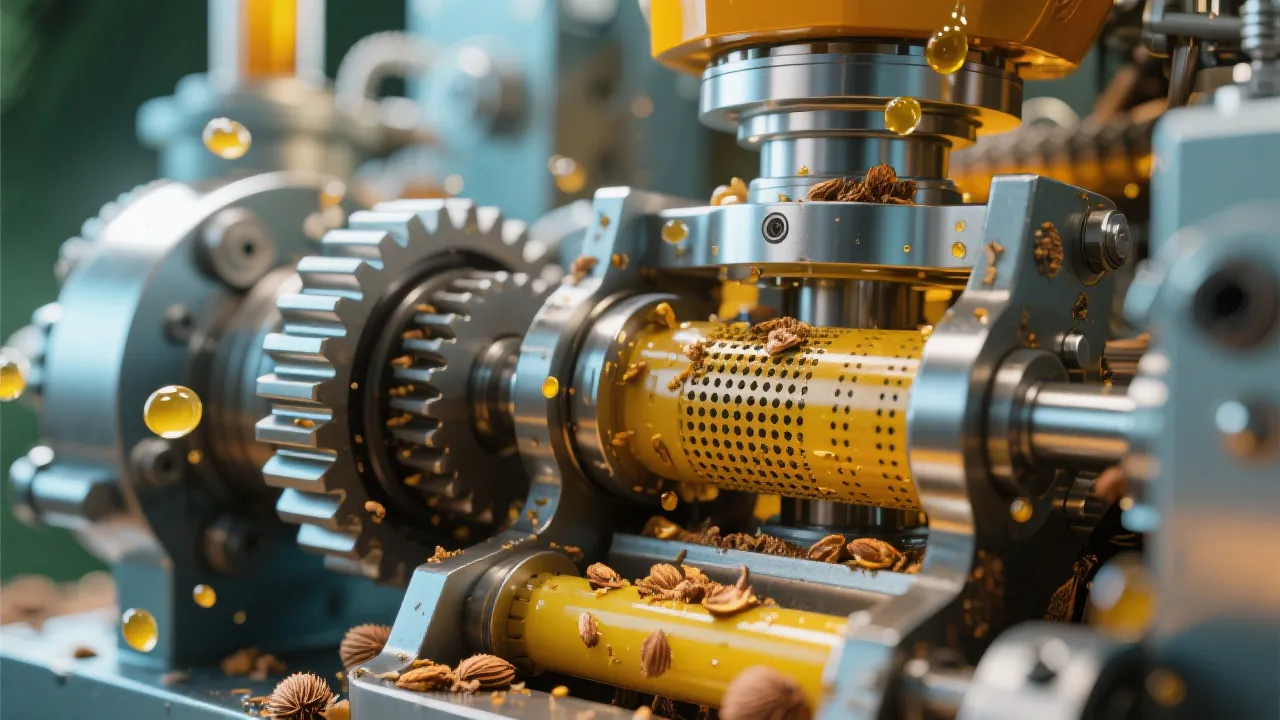
QIE Group continuous soybean oil press with a filtering system offers several significant advantages. Firstly, it can synchronously remove the residual oil in the soybean dregs. This process significantly improves the comprehensive oil extraction rate. Through actual production data, the comprehensive oil extraction rate of this equipment can reach over 95%, which is much higher than the 80 - 90% of traditional equipment. This not only increases the overall oil output but also improves the quality of the crude oil, reducing the subsequent refining cost.
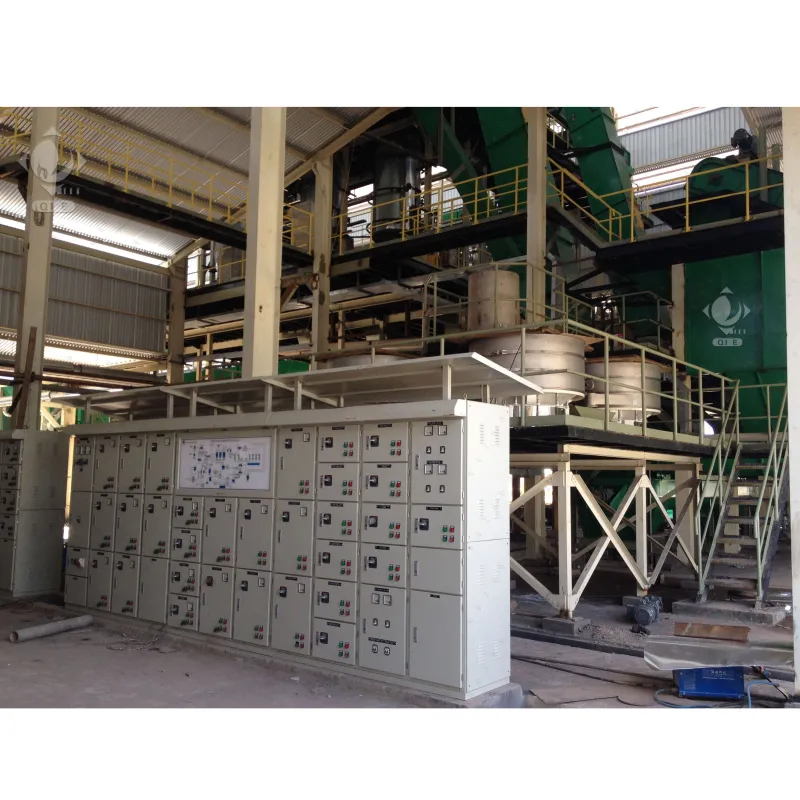
Secondly, the intelligent control system of the equipment is another highlight. It has functions such as automatic alarm and parameter memory. The automatic alarm function can immediately alert operators when there are abnormal situations in the production process, ensuring the safety and stability of production. The parameter memory function allows operators to easily recall and set the optimal production parameters, reducing the operation difficulty and improving production efficiency. This is especially suitable for small and medium-sized grain and oil enterprises with limited technical capabilities.

Let's take a small oil mill in a certain region as an example. After replacing the traditional batch-type equipment with QIE Group continuous pressing equipment, the production efficiency increased by 50%. The impurity content in the crude oil decreased from 3% to 0.8%, and the subsequent refining cost was reduced by about 30%. The overall economic benefit of the enterprise was significantly improved.
In the industry, more and more small and medium-sized oil mills are realizing the importance of upgrading their equipment. The transformation from traditional to continuous pressing equipment is not only a technological upgrade but also a necessary step for enterprises to adapt to market competition and achieve standardized and large-scale production.

QIE Group has a strong technical cooperation advantage and is trusted by global customers. Its equipment represents the leading technology in the industry. If you are a small or medium-sized oil mill looking to upgrade your production equipment, don't miss this opportunity to improve your production efficiency and economic benefits. Click here to learn more about QIE Group advanced oil pressing equipment!
 soybean oil yield improvement
automatic filter press for oil extraction
small oil mill process optimization
cold press vs hot press oil production
oil extraction efficiency enhancement
soybean oil refining equipment
energy-saving oil refining machines
304 stainless steel refining equipment
modular oil refining systems
food-grade refining technology
automatic soybean oil press selection
energy-efficient oil pressing equipment
soybean oil filtration system
hydraulic system in oil press
temperature control in oil extraction
Continuous pressing equipment
Pressing machine with filtration function
Soybean oil extraction rate
Intelligent oil pressing system
Automation of small and medium-sized oil mills
fully automatic soybean oil press
equipment selection for small and medium - sized oil mills
maintenance of soybean oil press
energy - saving and environment - friendly oil press
installation and commissioning of soybean oil press
soybean oil yield improvement
automatic filter press for oil extraction
small oil mill process optimization
cold press vs hot press oil production
oil extraction efficiency enhancement
soybean oil refining equipment
energy-saving oil refining machines
304 stainless steel refining equipment
modular oil refining systems
food-grade refining technology
automatic soybean oil press selection
energy-efficient oil pressing equipment
soybean oil filtration system
hydraulic system in oil press
temperature control in oil extraction
Continuous pressing equipment
Pressing machine with filtration function
Soybean oil extraction rate
Intelligent oil pressing system
Automation of small and medium-sized oil mills
fully automatic soybean oil press
equipment selection for small and medium - sized oil mills
maintenance of soybean oil press
energy - saving and environment - friendly oil press
installation and commissioning of soybean oil press






.png?x-oss-process=image/resize,h_100,m_lfit/format,webp)
.png?x-oss-process=image/resize,h_100,m_lfit/format,webp)
.png?x-oss-process=image/resize,h_100,m_lfit/format,webp)
.jpg?x-oss-process=image/resize,h_800,m_lfit/format,webp)