
As global demand for high-quality edible oils rises, small and medium-sized oil mills are increasingly shifting from outdated batch pressing systems to modern continuous pressing lines equipped with automatic filtration. This isn't just a trend—it's a strategic upgrade that delivers measurable gains in efficiency, yield, and product purity.
Most older oil presses operate on a stop-start model: press, discharge, clean, repeat. While simple in concept, this method leaves behind up to 8–12% of residual oil in the soybean cake—especially when operating at lower temperatures or inconsistent pressures. According to a 2023 report by Food Engineering Magazine, traditional presses average only 82–87% extraction efficiency across various feedstocks, with significant variability based on operator skill level.
Moreover, the resulting crude oil often contains suspended solids and free fatty acids (FFA), increasing refining costs by 15–25% compared to cleaner outputs from continuous systems.
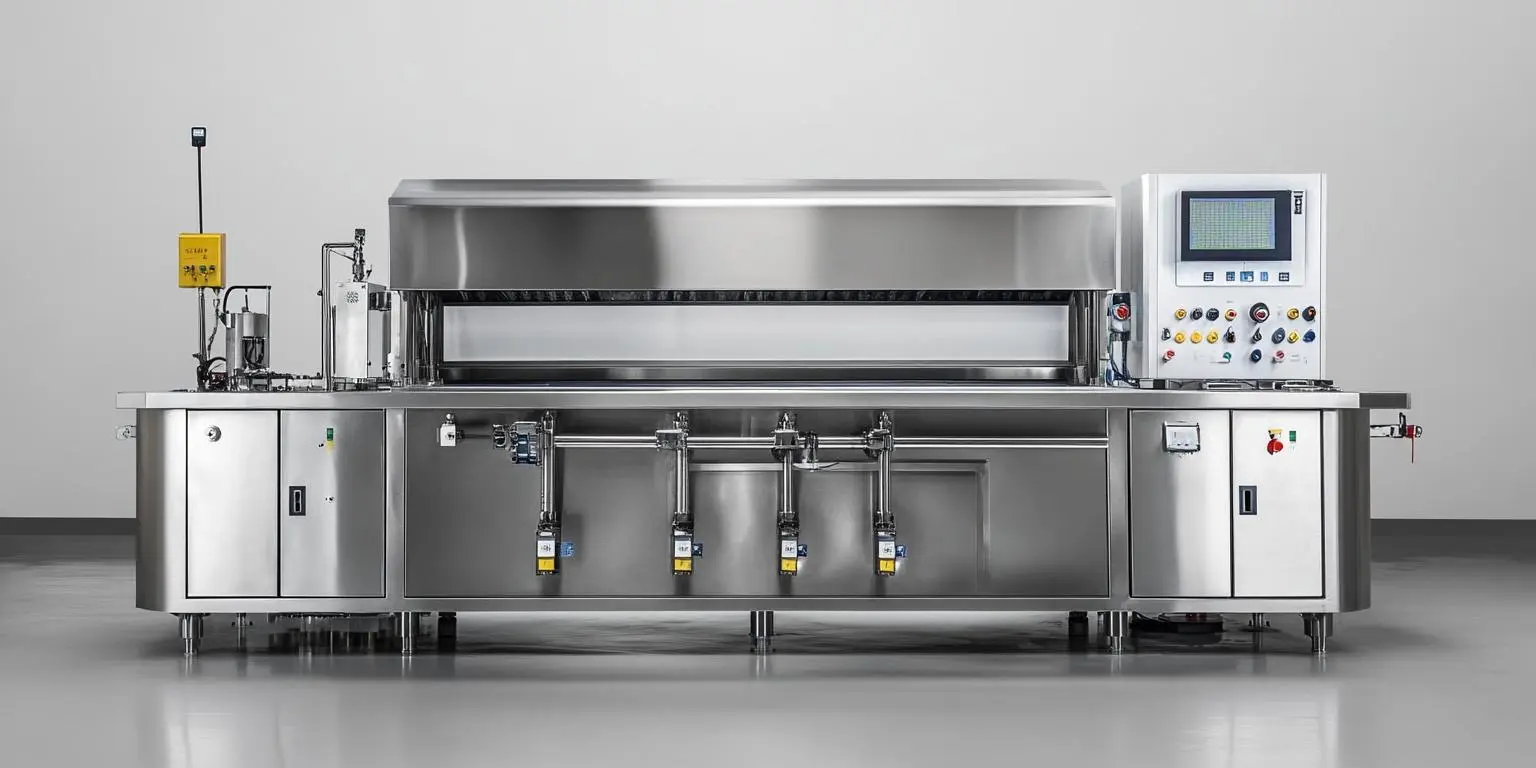
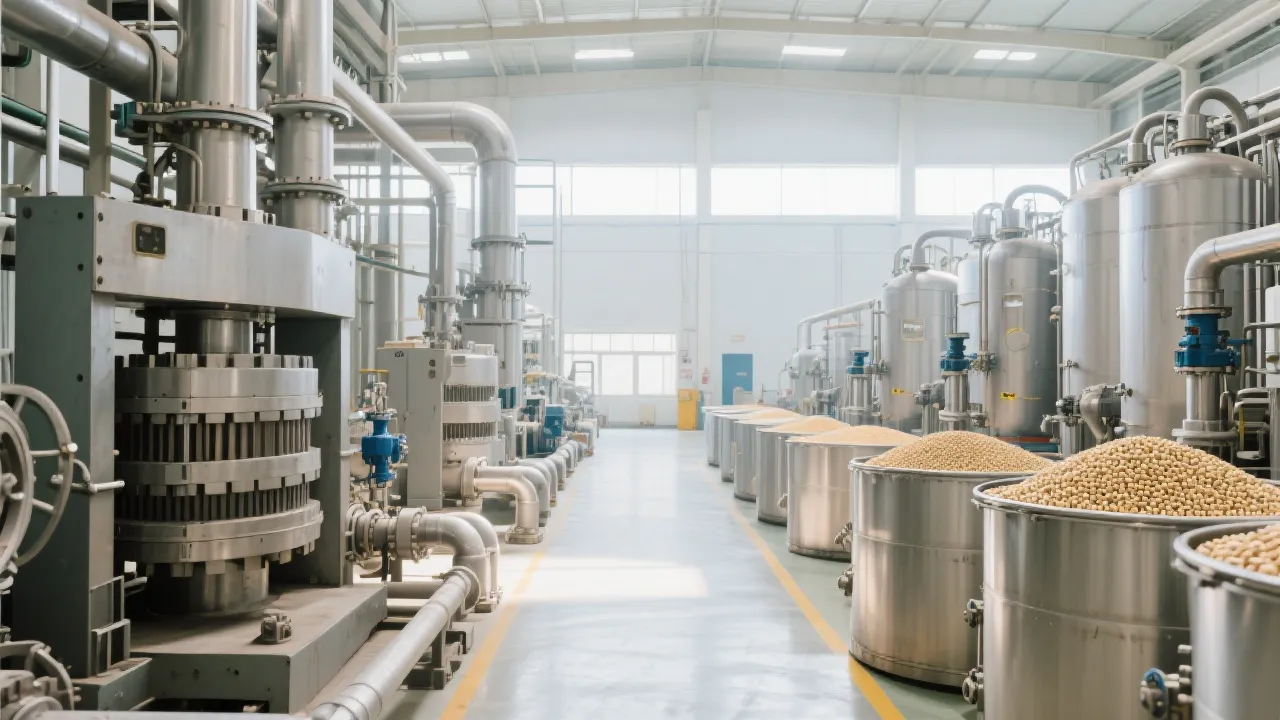
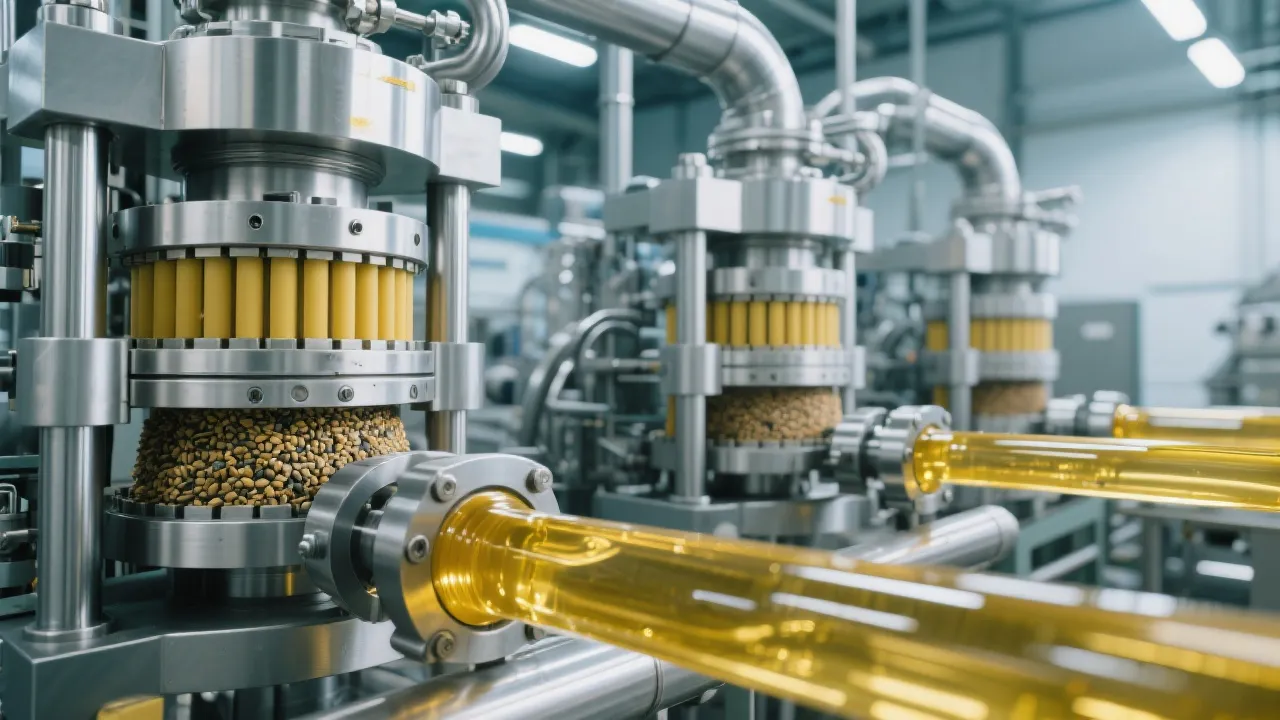
The breakthrough lies in integrating an automated filter system into the continuous pressing line. As the pressed cake moves through the conveyor, it passes through a multi-stage filtering chamber where fine mesh screens capture residual oil while separating solids. This process boosts total oil recovery to over 95%, as confirmed by field tests conducted at 14 operational plants in China, India, and Brazil between Q1–Q3 2024.
Importantly, the filtered oil is not only more abundant but also purer—typically achieving FFA levels below 0.5%, which significantly reduces downstream refining time and chemical usage. One client in Vietnam reported a 30% drop in caustic soda consumption after switching to this technology.
What makes these systems truly transformative for smaller operations is their intelligent control interface. Features like real-time temperature monitoring, automatic alarm triggers for pressure drops, and parameter memory allow even semi-skilled workers to maintain consistent performance without constant supervision.
A study published in International Journal of Food Engineering found that facilities using smart-controlled presses saw a 40% reduction in production downtime and a 25% improvement in overall equipment effectiveness (OEE).
This means less waste, fewer errors, and faster scaling—critical advantages for growing businesses aiming to meet regional and international standards.
Real-World Impact: A 5-ton-per-day soybean oil mill in Nigeria upgraded its system in early 2024. Within three months, they achieved 95.6% extraction rate and reduced labor hours per ton by 35%. Their customers noted improved clarity and shelf life of the final product.
If you're running a mid-sized oil plant looking to boost margins, reduce waste, and future-proof your operation, now is the time to explore how continuous pressing with automatic filtration can transform your output.
Ready to see how our advanced pressing solutions can help your business reach >95% yield?
Explore Our Continuous Pressing Systems soybean oil refining equipment
energy-saving operation techniques
304 stainless steel equipment
modular design
food safety certification
soybean oil refining equipment
automatic degumming and deodorization
edible oil refining technology
full-automatic oil refining line
oil quality improvement
soybean oil refining equipment
food safety certification
energy-efficient oil processing
modular refinery design
grain and oil processing plants
soybean oil extraction efficiency
automatic filtration press
small oil mill optimization
hot vs cold pressing soybean oil
oil yield improvement
energy-saving soybean oil refining machine
green transformation of grain and oil processing equipment
soybean oil deacidification and degumming technology
energy-efficient oil processing solutions
sustainable edible oil production
soybean oil refining equipment
energy-saving operation techniques
304 stainless steel equipment
modular design
food safety certification
soybean oil refining equipment
automatic degumming and deodorization
edible oil refining technology
full-automatic oil refining line
oil quality improvement
soybean oil refining equipment
food safety certification
energy-efficient oil processing
modular refinery design
grain and oil processing plants
soybean oil extraction efficiency
automatic filtration press
small oil mill optimization
hot vs cold pressing soybean oil
oil yield improvement
energy-saving soybean oil refining machine
green transformation of grain and oil processing equipment
soybean oil deacidification and degumming technology
energy-efficient oil processing solutions
sustainable edible oil production






.png?x-oss-process=image/resize,h_100,m_lfit/format,webp)
.png?x-oss-process=image/resize,h_100,m_lfit/format,webp)
.png?x-oss-process=image/resize,h_100,m_lfit/format,webp)

.jpg?x-oss-process=image/resize,h_800,m_lfit/format,webp)

