For many small and medium-sized soybean oil producers, the shift from traditional batch pressing to continuous processing isn’t just a trend—it’s a necessity. With rising demand for higher purity, consistent quality, and lower labor costs, outdated systems are no longer viable. According to a 2023 industry report by Global AgriTech Insights, over 68% of mills in Southeast Asia and India have begun adopting continuous press lines—driven primarily by improved oil yield and reduced operational complexity.
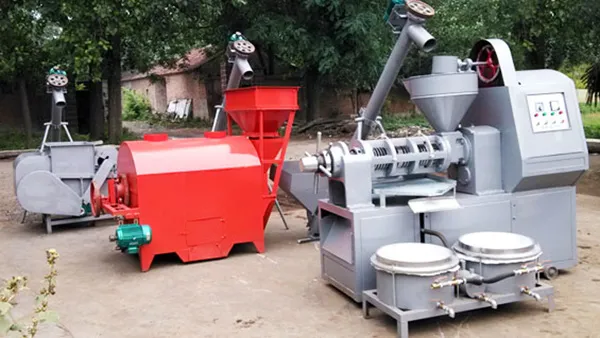
Traditional intermittent presses often leave up to 8–12% residual oil in soy cake due to inefficient extraction. This not only reduces profitability but also increases downstream refining load—leading to higher energy consumption and chemical usage. In addition, inconsistent temperature control and manual adjustments create variability in product quality, which can hurt customer trust and repeat orders.
| Processing Method | Avg. Oil Yield (%) | Manual Labor Required | Consistency Level |
|---|---|---|---|
| Batch Pressing | 78–82% | High (2+ operators) | Low |
| Continuous + Filter System | 95%+ | Low (1 operator) | High |
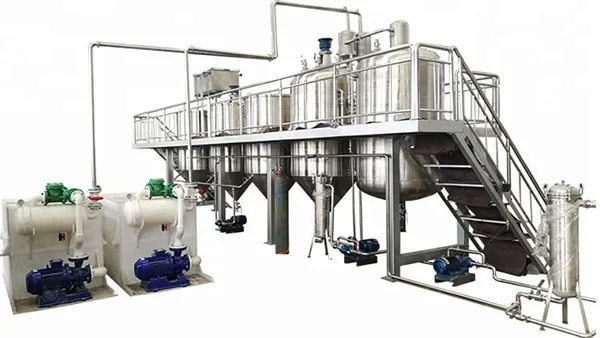
What sets modern continuous presses apart is their integrated automatic filtration system—a feature that removes residual oil from soy cake during pressing, rather than after. By applying synchronized pressure and vibration, these systems extract an additional 5–7% oil that would otherwise be lost. This means your mill can achieve a total oil recovery rate of over 95%, significantly improving both yield and profit margins.
A case study from a 12-ton/day facility in Gujarat, India, showed a 14% increase in daily output within three weeks of switching to this technology—without hiring new staff. The same mill reported a 30% drop in refined oil losses, directly attributed to cleaner raw material entering the refinery stage.
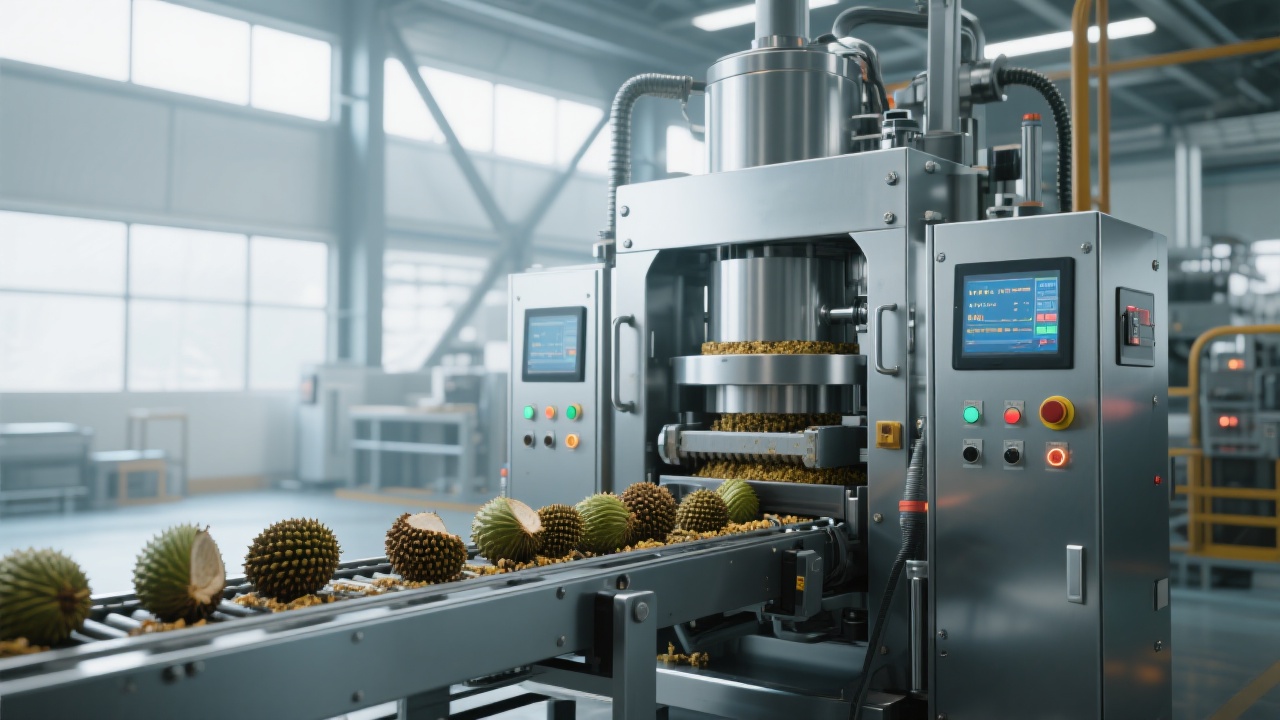
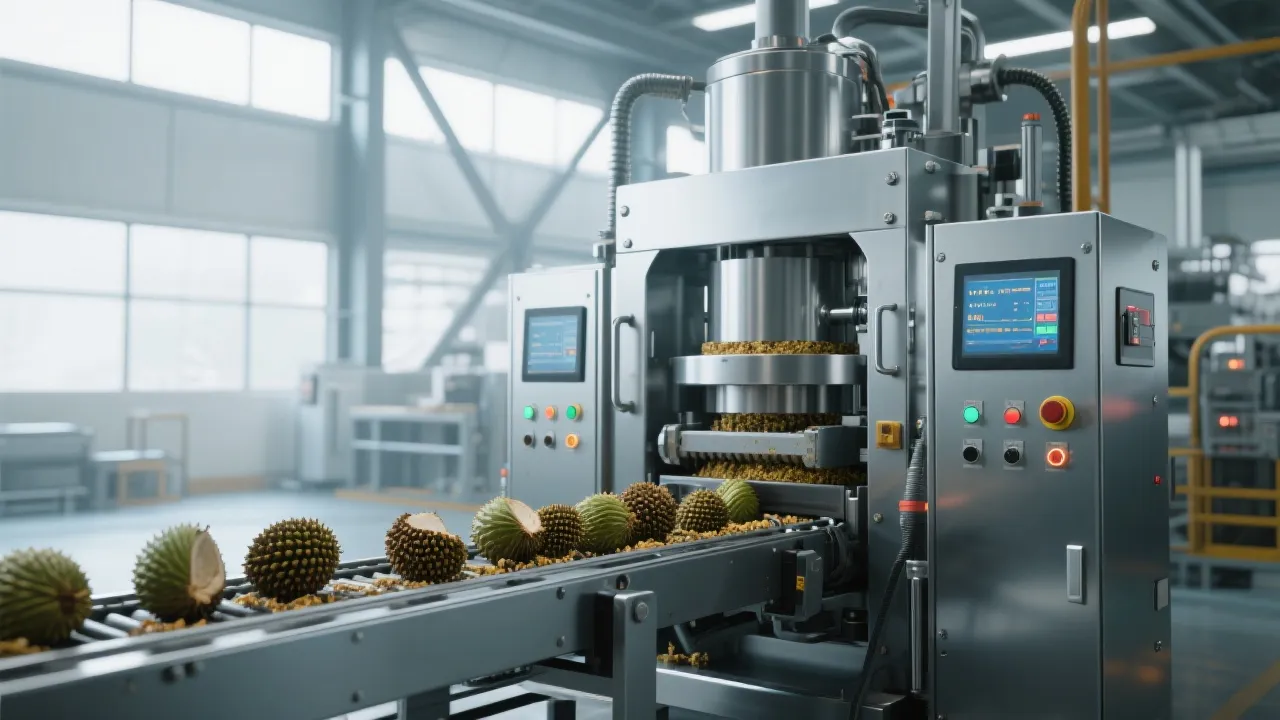
The real breakthrough? Intelligent control systems. These allow operators—even those without formal engineering training—to monitor parameters like temperature, pressure, and flow rate in real time. Features such as automatic alarm triggers, memory recall for optimal settings, and error diagnostics reduce downtime by up to 40%. As one Chinese mill manager put it: “We didn’t need to hire a technician—we just trained our existing team on the interface.”
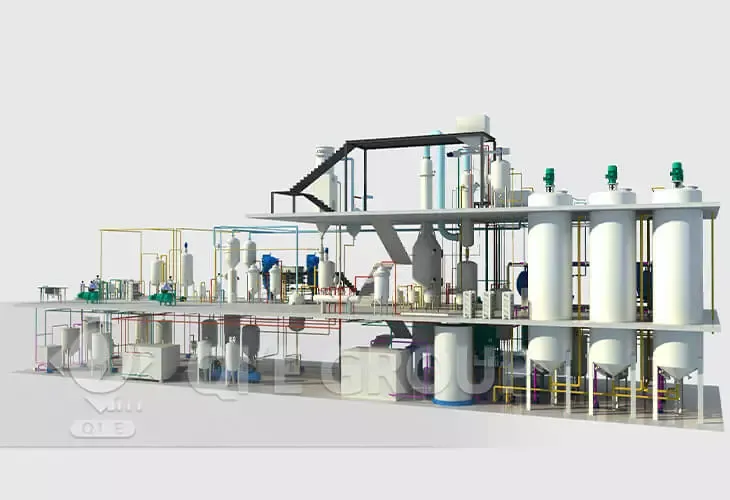
With support from institutions like the Henan Mechanical Design Research Institute, companies like QP Group have developed solutions tailored for resource-limited environments worldwide—from Nigeria to Vietnam—where reliability and ease-of-use matter more than complex customization.
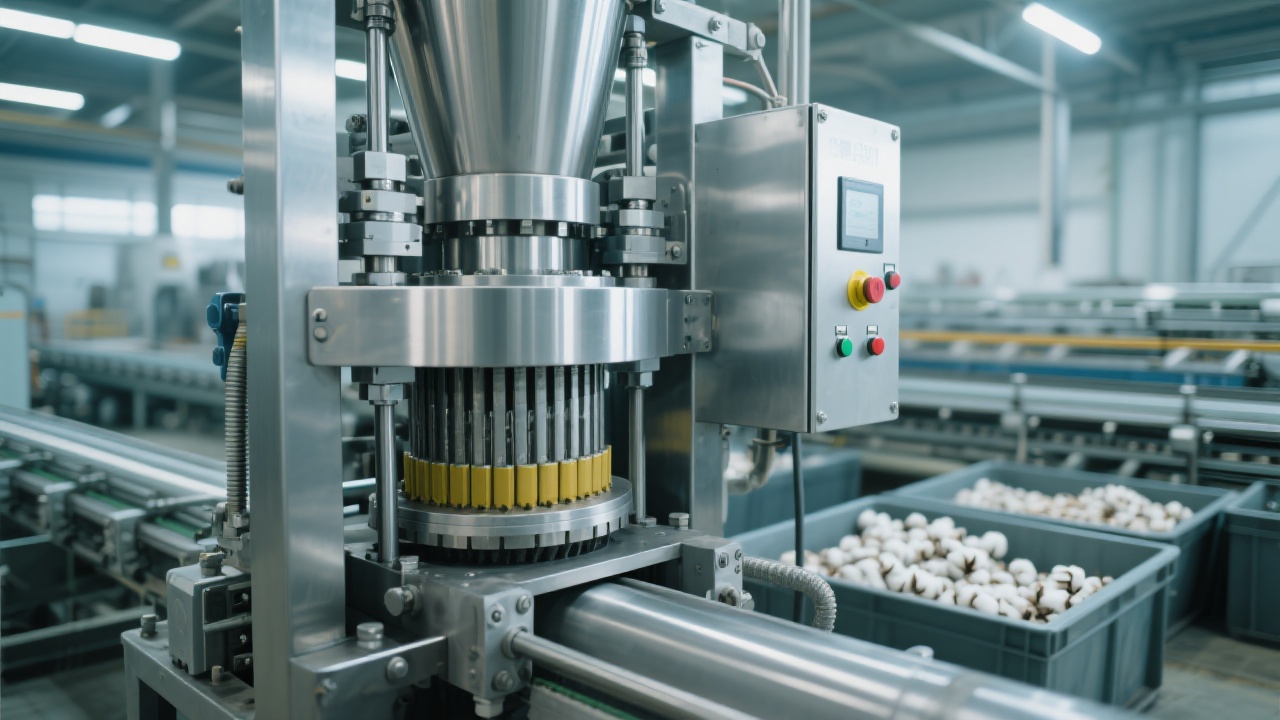
Whether you're scaling production or simply looking to stabilize output across shifts, the path forward is clear: embrace automation that works with your team—not against it.


.png?x-oss-process=image/resize,h_100,m_lfit/format,webp)
.png?x-oss-process=image/resize,h_100,m_lfit/format,webp)
.png?x-oss-process=image/resize,h_100,m_lfit/format,webp)
.jpg?x-oss-process=image/resize,h_800,m_lfit/format,webp)