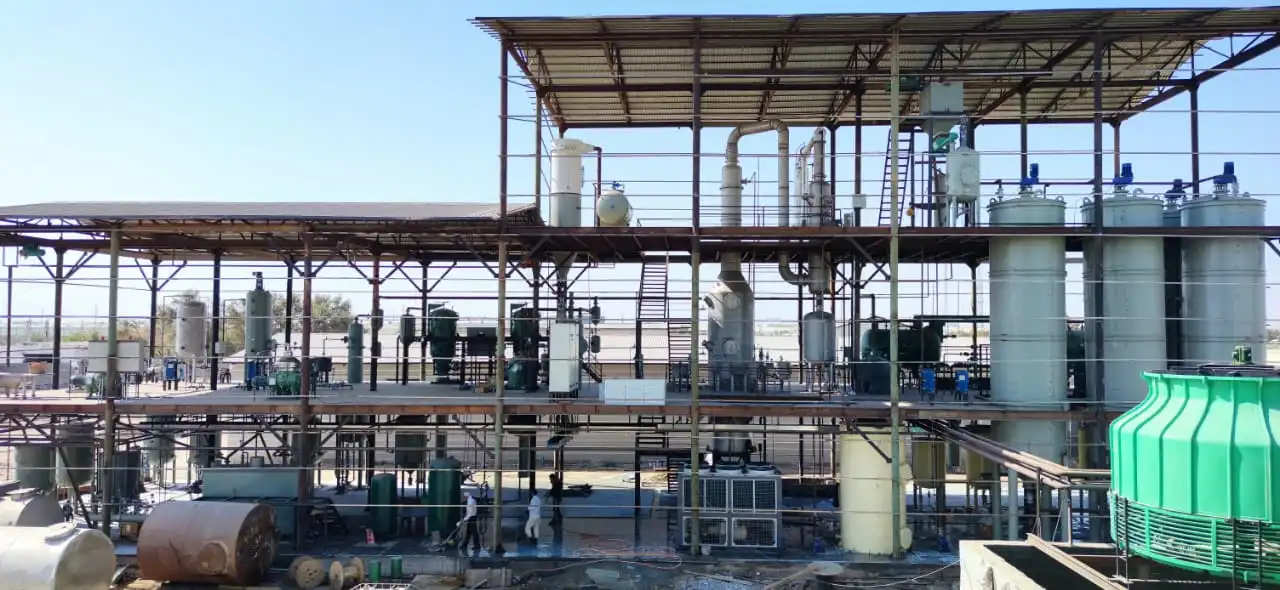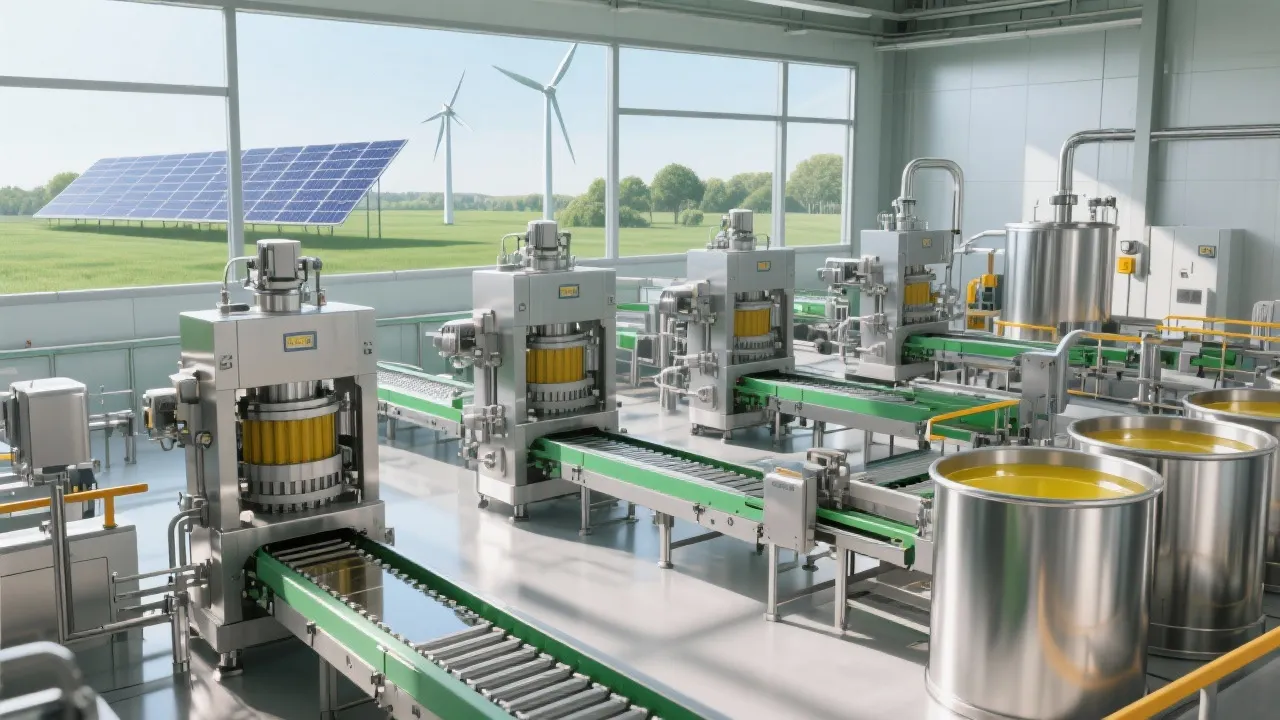
As a small or medium-sized soybean oil mill operator or technical manager, selecting equipment that balances productivity, efficiency, and sustainability is critical. The right fully automatic, energy-saving soybean oil press machine is not just about processing capacity but about long-term operational cost reduction through smart automation and green design. This article provides a practical guide on key factors to consider—from capacity matching and raw material compatibility to maintenance best practices—that help you unlock higher efficiency and enhanced oil quality while supporting your plant’s green transformation.
Choosing a machine with the correct throughput is foundational. Oversizing leads to unnecessary energy consumption and maintenance, while undersizing caps your production capabilities. For typical medium-sized operations, machines with capacities ranging from 1 to 5 tons per hour offer a balanced mix of efficiency and scale flexibility.
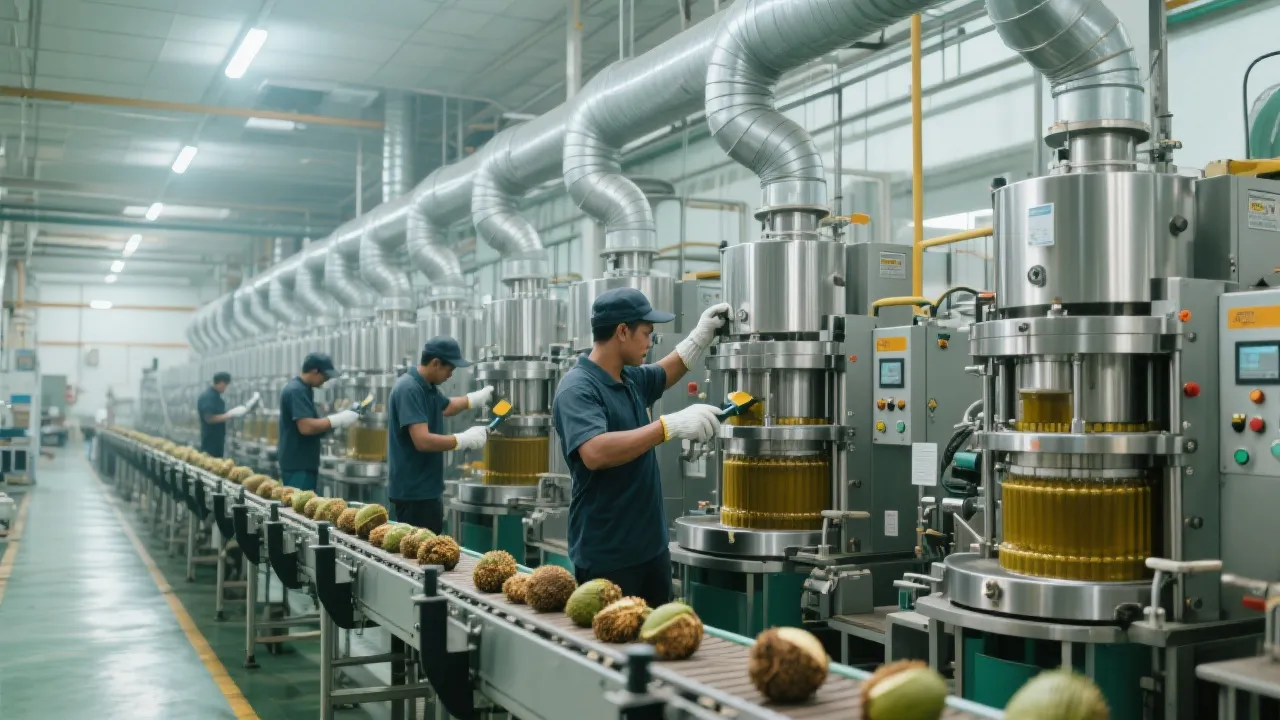
Soybean varieties and moisture content significantly influence pressing efficiency. Fully automatic machines from manufacturers like QIE Group integrate adaptive controls that adjust pressing parameters in real-time to accommodate raw material variability, ensuring stable oil yield without overloading components.
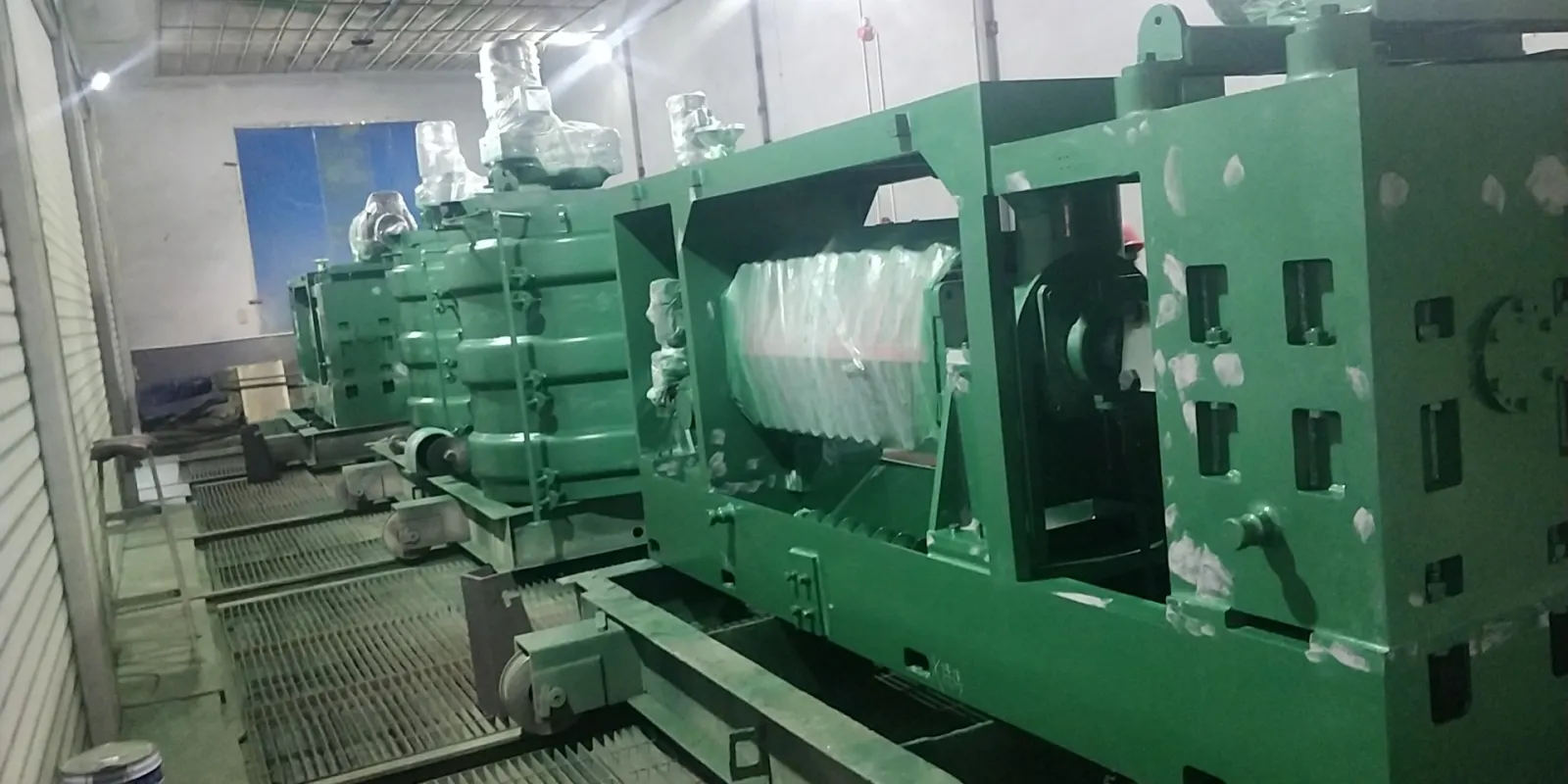
Several core parts determine your machine's performance: the screw press shaft, temperature control systems, and oil filtering units. High-precision screw shafts with wear-resistant alloy coatings improve longevity and squeezing efficiency, potentially increasing oil yield by 5–8% compared to conventional presses.
Energy-saving heaters and insulation reduce power consumption by up to 20%, lowering operational expenses noticeably. Filters designed for quick cleaning minimize downtime, optimizing daily output.
Proper installation is critical to realize the energy and automation benefits fully. Sensitive alignment of shafts, precise calibration of temperature and pressure sensors, and thorough electrical safety checks prevent premature wear and costly repairs.
Many operators overlook training during commissioning. QIE Group supports customers with on-site training to ensure your technical staff can adjust parameters effectively to local raw material conditions and troubleshoot autonomously.
The heart of reducing your plant’s long-term costs lies in intelligent automation. These presses feature PLC-based control systems that optimize motor speed, pressure, and temperature in real-time, cutting unnecessary energy spikes by approximately 15% compared to manually controlled models.
Beyond energy savings, environmentally conscious design elements—like heat recovery systems and biodegradable lubricants—reduce your operational carbon footprint, helping your mill comply with tightening environmental regulations efficiently.
Scheduled preventive maintenance—cleaning filters weekly, lubricating moving parts monthly, and inspecting electrical components quarterly—is essential to maintain energy efficiency and extend equipment lifespan beyond 10 years.
Monitoring performance metrics using built-in sensors allows early detection of wear and potential failures. This predictive maintenance approach can prevent up to 40% of costly emergency repairs.
| Equipment Type | Average Energy Consumption (kWh/ton) | Typical Oil Yield (%) |
|---|---|---|
| Traditional Manual Screw Press | 150 | 75-78 |
| Standard Semi-Automatic Press | 120 | 78-82 |
| Energy-Efficient Fully Automatic Press (QIE Group) | 90 | 83-87 |
 soybean oil refining process
de-gumming and deodorization system
small oil processing plant equipment
food safety compliance in oil refining
energy-efficient oil refining technology
modular soybean oil refining equipment
energy-efficient oil refining systems
304 stainless steel food-grade equipment
CE and ISO9001 certified machinery
refining process optimization
soybean oil refining equipment
energy-saving oil processing machinery
high-efficiency deacidification and dephosphorization
oil quality enhancement
grain and oil processing energy efficiency
soybean oil refining equipment
energy-efficient oil refining systems
food-grade stainless steel refining units
modular oil refining solutions
CE and ISO certified refining equipment
soybean oil degumming agents
neutralization reaction control in oil refining
edible oil deodorization optimization
integrated soybean oil refining equipment
automated oil refining technology
soybean oil refining process
de-gumming and deodorization system
small oil processing plant equipment
food safety compliance in oil refining
energy-efficient oil refining technology
modular soybean oil refining equipment
energy-efficient oil refining systems
304 stainless steel food-grade equipment
CE and ISO9001 certified machinery
refining process optimization
soybean oil refining equipment
energy-saving oil processing machinery
high-efficiency deacidification and dephosphorization
oil quality enhancement
grain and oil processing energy efficiency
soybean oil refining equipment
energy-efficient oil refining systems
food-grade stainless steel refining units
modular oil refining solutions
CE and ISO certified refining equipment
soybean oil degumming agents
neutralization reaction control in oil refining
edible oil deodorization optimization
integrated soybean oil refining equipment
automated oil refining technology




.png?x-oss-process=image/resize,h_100,m_lfit/format,webp)
.png?x-oss-process=image/resize,h_100,m_lfit/format,webp)
.png?x-oss-process=image/resize,h_100,m_lfit/format,webp)
.jpg?x-oss-process=image/resize,h_800,m_lfit/format,webp)