
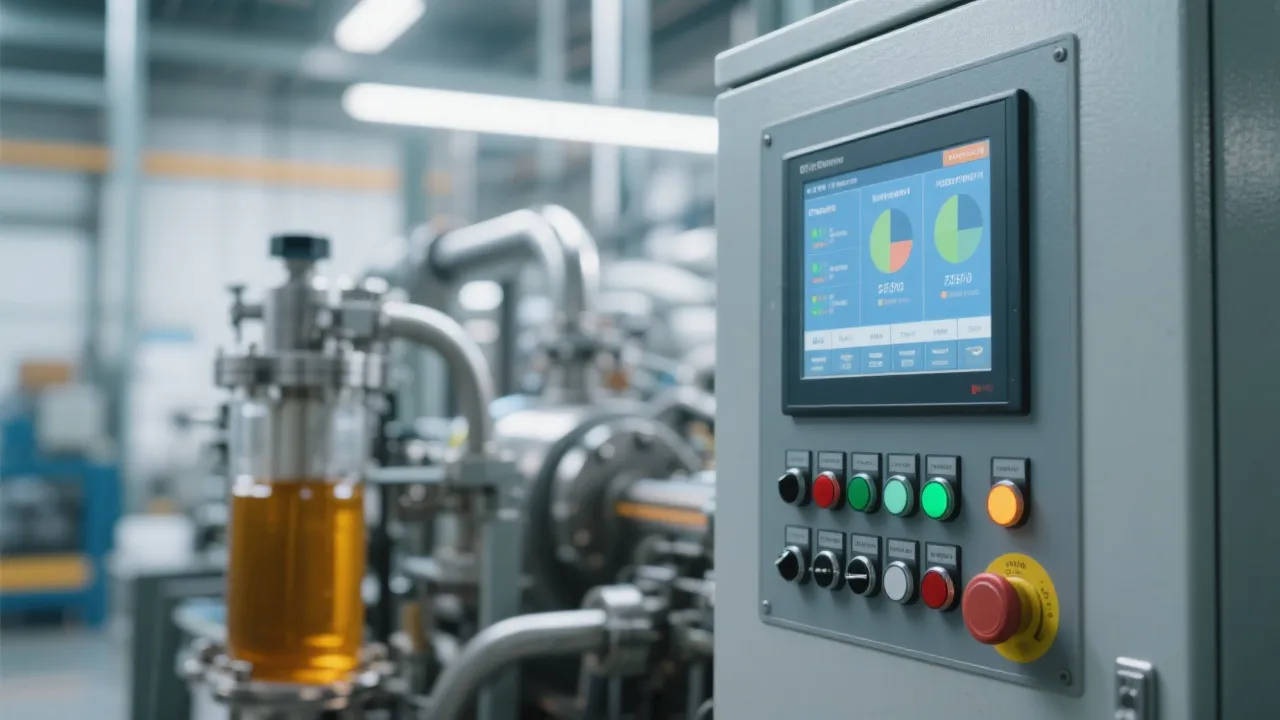
If you are managing or overseeing a medium or small-scale oil factory, selecting the right fully automatic soybean oil pressing equipment can be a daunting task, especially for first-timers. This guide will help you confidently evaluate your production needs, understand essential machine components, avoid common pitfalls, and leverage energy-saving features that significantly reduce operating costs.
Determining your actual production capacity is the first critical step. For example, if your plant processes around 500–1,000 kg of soybeans per hour, a machine rated for this range ensures optimal efficiency without overspending on oversized equipment. Conversely, undersized machines may cause bottlenecks and reduce yield.
| Machine Model | Hourly Capacity (kg/h) | Recommended Plant Scale |
|---|---|---|
| Model A | 300-600 | Small |
| Model B | 600-1200 | Medium |
| Model C | 1200-2000 | Medium to Large |
Soybean moisture varies seasonally and regionally, typically ranging from 8% to 15%. This parameter directly impacts the selection of filter mesh size and overall extraction efficiency. For wetter raw materials (>12% moisture), you may need coarser filter screens to prevent clogging, while drier beans allow finer filtration, resulting in higher oil clarity and yield.
“After switching to adjustable filter screens based on moisture levels, our plant’s oil yield improved by 4% and downtime reduced significantly.” — Customer Feedback, Midwest USA
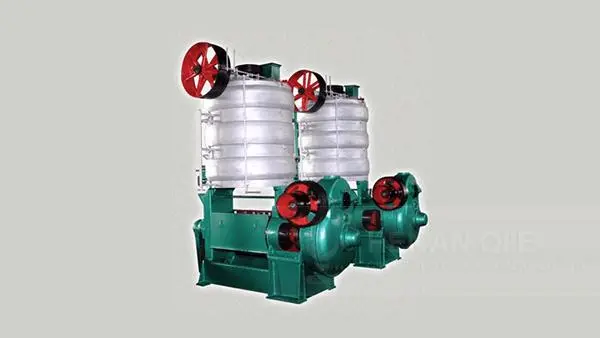
Understanding your machine’s core parts helps optimize pressure settings and workflow:
Installation is a critical stage. Common challenges include improper hydraulic pressure setup, incorrect temperature calibration, and misaligned filter components. These errors can cause production delays and inefficient pressing.
To mitigate these risks:
Consistent maintenance extends equipment lifespan and sustains output quality:
Modern soybean oil pressing machines incorporate energy-saving technologies such as optimized hydraulic circuits and insulation on heating units. According to industry data, energy consumption can be reduced by up to 20–30% compared to conventional presses, translating into thousands of USD savings annually for medium-scale plants.
Why eco-friendly matters:
Lower energy usage reduces your carbon footprint, aligns with global green policies, and appeals to environmentally conscious buyers—boosting your brand’s competitive edge in export markets.
“Since upgrading to the fully automatic energy-efficient press, our output increased by 15%, and oil extraction improved from 18% to over 21%. Plus, the monthly electricity bill dropped by nearly 25%. Installation support was excellent, and maintenance guidance was crystal clear.” — Technical Manager, Zhejiang, China
Choosing the right fully automatic soybean oil pressing machine tailored to your production scale, raw material traits, and sustainability goals isn’t just a purchase—it’s an investment in your plant’s efficiency and future growth.


.png?x-oss-process=image/resize,h_100,m_lfit/format,webp)
.png?x-oss-process=image/resize,h_100,m_lfit/format,webp)
.png?x-oss-process=image/resize,h_100,m_lfit/format,webp)


.jpg?x-oss-process=image/resize,h_800,m_lfit/format,webp)
