As a small or medium-sized oil mill owner or technical manager, you're likely on a quest to reduce long-term operational costs while embracing a green transformation. Selecting the right energy-efficient and environmentally friendly fully automatic soybean oil pressing equipment is a crucial step in this journey. Let's dive into the details to help you make informed decisions and avoid common pitfalls.
One of the key mistakes many make is overlooking the importance of matching the equipment with the raw material characteristics. For instance, the moisture content of soybeans can significantly impact the efficiency of the pressing process. If you choose equipment without considering the moisture level of your raw materials, you might end up with low efficiency and higher costs.
Here's a simple rule: different moisture levels require different types of equipment and processing techniques. For soybeans with higher moisture content, you may need equipment with better dehumidification capabilities. On the contrary, drier soybeans might be better suited for equipment with a more gentle pressing process to avoid excessive damage to the beans.
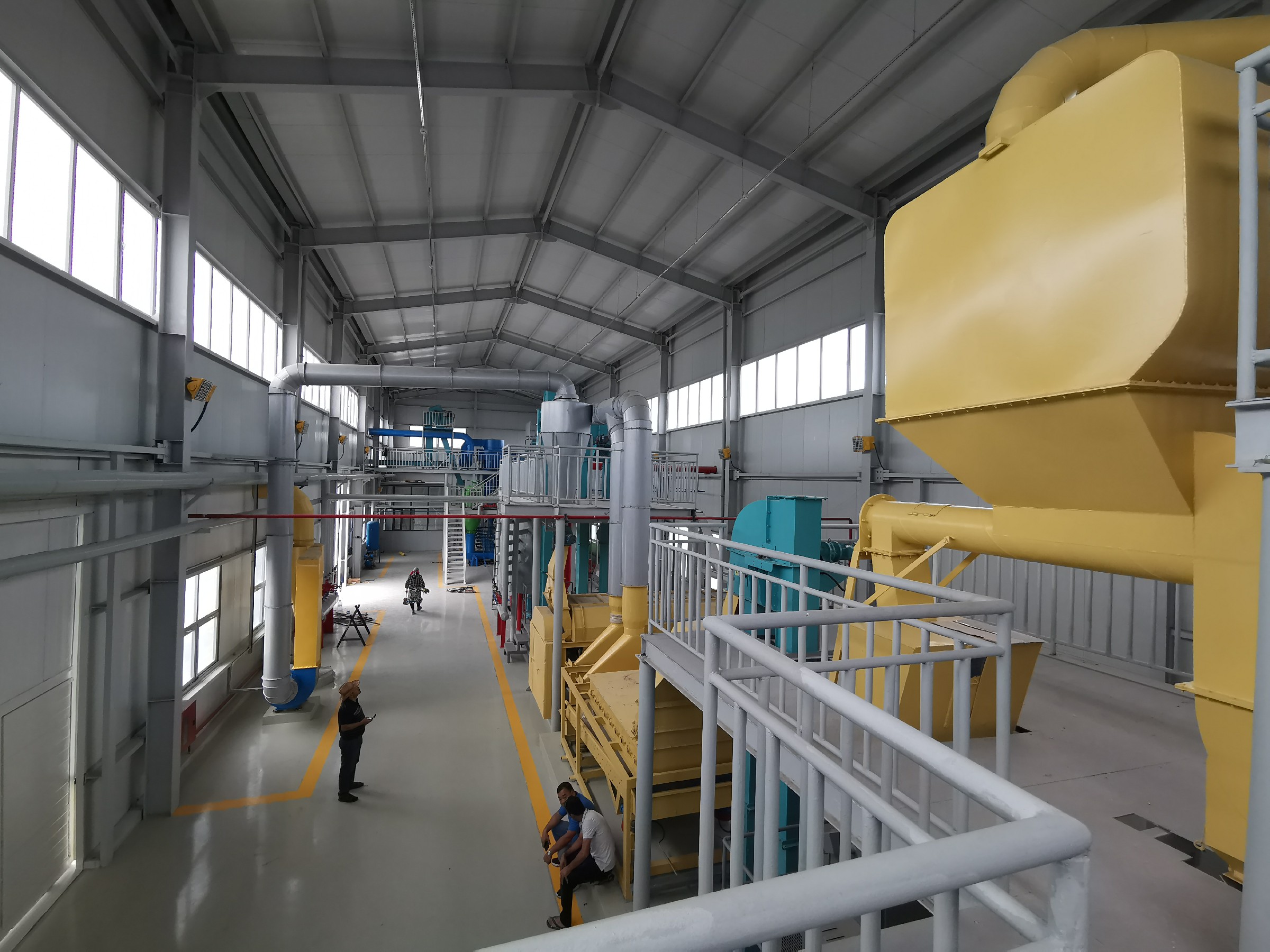
The hydraulic system, filter screen structure, and temperature control module are all critical components of soybean oil pressing equipment. Each of these components plays a vital role in the operation of the equipment and has a direct impact on the operating costs.
The hydraulic system is responsible for providing the necessary pressure for the pressing process. A well-designed hydraulic system can ensure stable pressure output, which not only improves the oil extraction rate but also reduces energy consumption. The filter screen structure, on the other hand, is crucial for separating the oil from the residue. A high-quality filter screen can effectively remove impurities, ensuring the quality of the extracted oil and reducing the frequency of filter screen replacement.
The temperature control module helps maintain the optimal temperature during the pressing process. Different pressing processes (cold pressing and hot pressing) require different temperature ranges. By accurately controlling the temperature, you can improve the oil extraction efficiency and reduce the loss of nutrients in the oil.
During the installation and debugging phase, you may encounter various problems. For example, improper installation may lead to unstable equipment operation, while incorrect debugging may result in low oil extraction efficiency. To help you overcome these challenges, here are some common solutions:
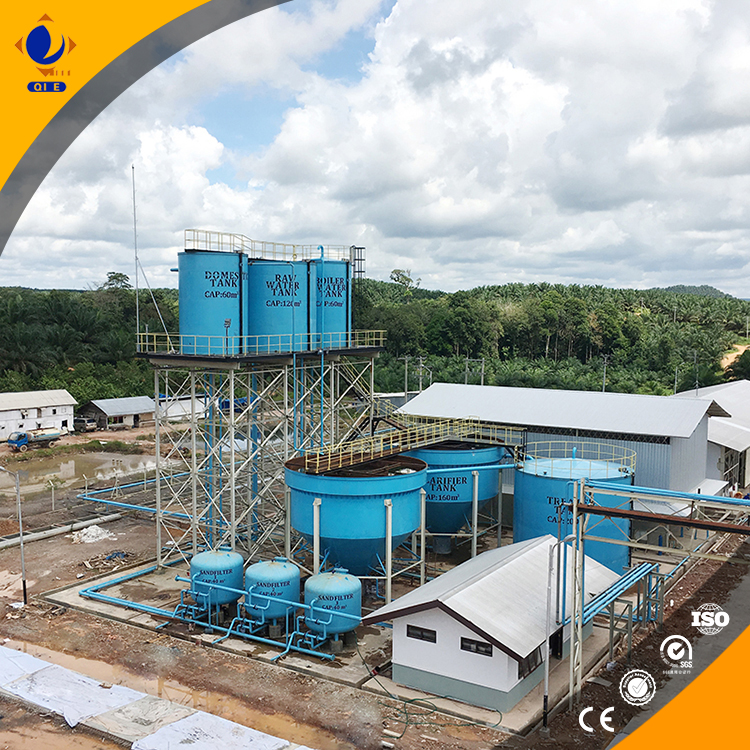
Let's take a look at some real-world examples to illustrate the importance of equipment selection and operation. In a small oil mill, the owner initially used a traditional soybean oil pressing equipment without considering the moisture content of the soybeans. As a result, the oil extraction rate was low, and the energy consumption was high. After switching to an energy-efficient and environmentally friendly fully automatic soybean oil pressing equipment that was specifically designed for the moisture level of their soybeans, the oil extraction rate increased by 10%, and the energy consumption decreased by 15%.
Another example is about the filter screen selection. In a medium-sized oil mill, they used a filter screen that was not suitable for the moisture content of their raw materials. This led to frequent blockages and reduced the efficiency of the oil extraction process. After consulting with the equipment manufacturer and selecting a more appropriate filter screen, the problem was solved, and the production efficiency was significantly improved.
The energy-saving design of the equipment can significantly reduce long-term operating costs. For example, some advanced soybean oil pressing equipment uses intelligent control systems that can automatically adjust the operating parameters according to the raw material characteristics and production requirements. This not only reduces energy consumption but also reduces the need for manual operation, thereby saving labor costs.
According to our research, energy-efficient soybean oil pressing equipment can reduce electricity consumption by up to 20% compared to traditional equipment. In addition, the automatic operation function can reduce the number of operators required, saving up to 30% in labor costs.
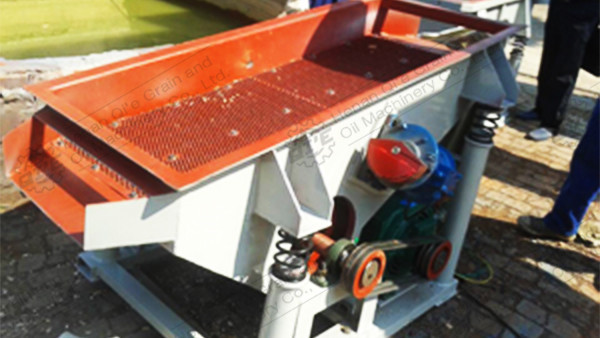
By choosing the right energy-efficient and environmentally friendly fully automatic soybean oil pressing equipment, you can effectively reduce long-term operating costs and achieve green transformation. QIE Group offers a wide range of high-quality soybean oil pressing equipment with a one-year warranty and is trusted by customers in 120 countries around the world.
Are you ready to take the first step towards a more efficient and sustainable oil production? Click here to explore our product range and find the perfect solution for your oil mill.
 soybean oil yield improvement
automatic filter press for oil extraction
small oil mill process optimization
cold press vs hot press oil production
oil extraction efficiency enhancement
soybean oil refining equipment
304 stainless steel in food processing
energy-efficient edible oil equipment
modular oil refining systems
food-grade stainless steel components
energy-saving soybean oil refining equipment
oil processing energy efficiency technology
grain and oil processing equipment case study
soybean oil refining process
high-efficiency oil purification solutions
Soybean oil yield improvement
Automatic filtration press
Technological optimization for small and medium-sized oil mills
Differences between hot and cold pressing
Oil pressing efficiency
continuous soybean oil press
automatic filtration system
intelligent control for oil mills
soybean oil extraction efficiency
small oil mill upgrade
soybean oil yield improvement
automatic filter press for oil extraction
small oil mill process optimization
cold press vs hot press oil production
oil extraction efficiency enhancement
soybean oil refining equipment
304 stainless steel in food processing
energy-efficient edible oil equipment
modular oil refining systems
food-grade stainless steel components
energy-saving soybean oil refining equipment
oil processing energy efficiency technology
grain and oil processing equipment case study
soybean oil refining process
high-efficiency oil purification solutions
Soybean oil yield improvement
Automatic filtration press
Technological optimization for small and medium-sized oil mills
Differences between hot and cold pressing
Oil pressing efficiency
continuous soybean oil press
automatic filtration system
intelligent control for oil mills
soybean oil extraction efficiency
small oil mill upgrade





.png?x-oss-process=image/resize,h_100,m_lfit/format,webp)
.png?x-oss-process=image/resize,h_100,m_lfit/format,webp)
.png?x-oss-process=image/resize,h_100,m_lfit/format,webp)