As a bakery technical director, you know the frustration: perfectly crafted cookies turning rancid within weeks, cakes developing off-flavors, and customers complaining about inconsistent quality. These issues often trace back to one critical ingredient: your baking oil. Today, we'll explore how acid value and peroxide value control can transform your product shelf life while maintaining exceptional taste and texture.
Every year, bakeries lose millions due to product spoilage caused by oil oxidation. Rancidity doesn't just affect taste—it creates a cascade of quality issues:
These issues aren't just quality problems—they directly impact your bottom line. A study by the American Bakers Association found that bakeries lose an average of 8-12% of revenue due to shortened shelf life and product returns.
The acid value (AV) measures the concentration of free fatty acids in oil, expressed as milligrams of potassium hydroxide (KOH) needed to neutralize one gram of oil. This critical指标 indicates:
Key Acid Value Benchmarks:
Peroxide value (PV) measures the level of peroxides formed during the initial stages of oxidation, expressed as milliequivalents of oxygen per kilogram of oil. This predictive指标 helps you:
For premium baking applications, aim for peroxide values below 5 meq O₂/kg. Values exceeding 10 meq O₂/kg typically indicate significant oxidation has occurred.
Not all oils are created equal when it comes to baking stability. The difference between high游离脂肪酸 (FFA) oils and properly refined low FFA oils can mean the difference between 30-day and 90-day shelf life for your products.
| Parameter | High FFA Oil (>1.0%) | Refined Low FFA Oil (<0.1%) |
|---|---|---|
| Typical Shelf Life Impact | Reduced by 40-60% | Extended by 50-100% |
| Oxidation Rate | 3-5x faster | Significantly slower |
| Flavor Stability | Poor - develops off-notes quickly | Excellent - maintains fresh taste |
| Cost Efficiency | Higher long-term costs due to waste | Lower total cost despite higher initial price |
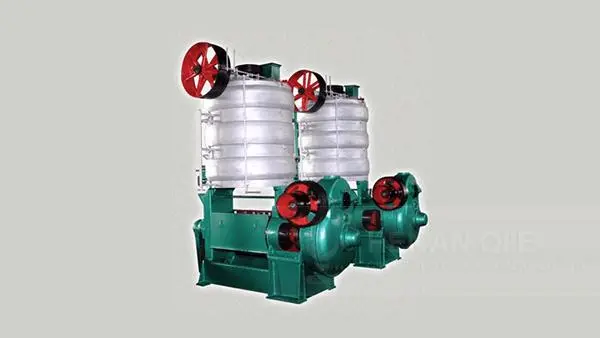
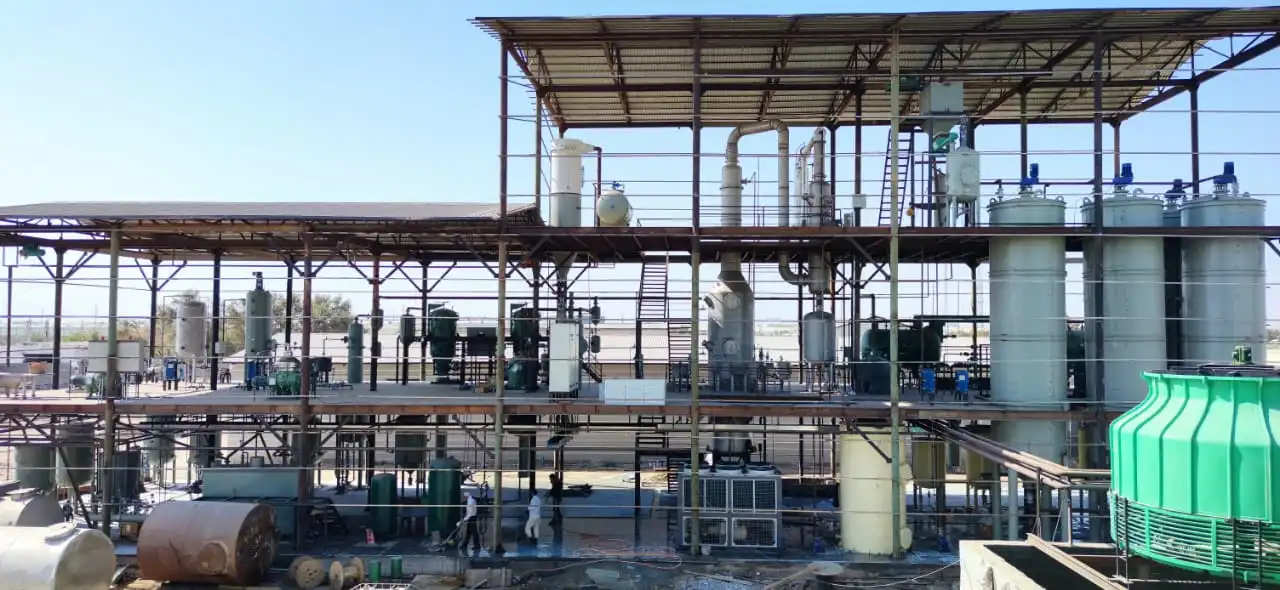
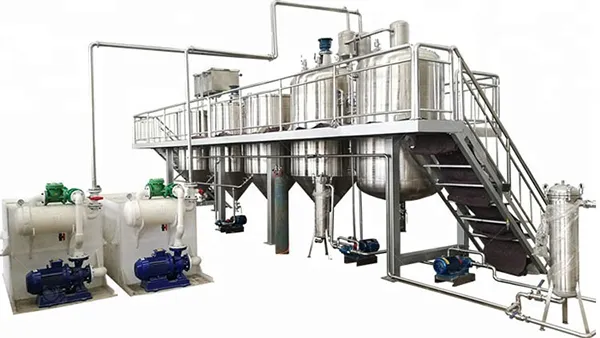
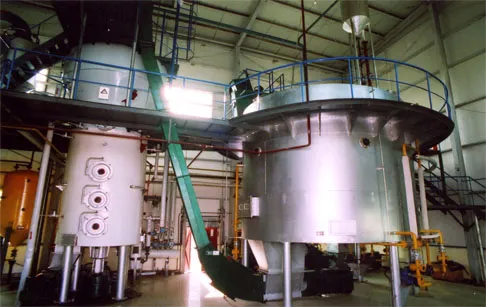
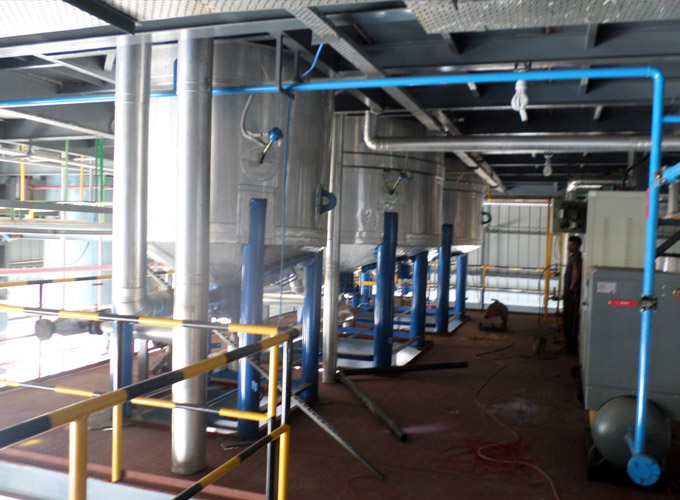
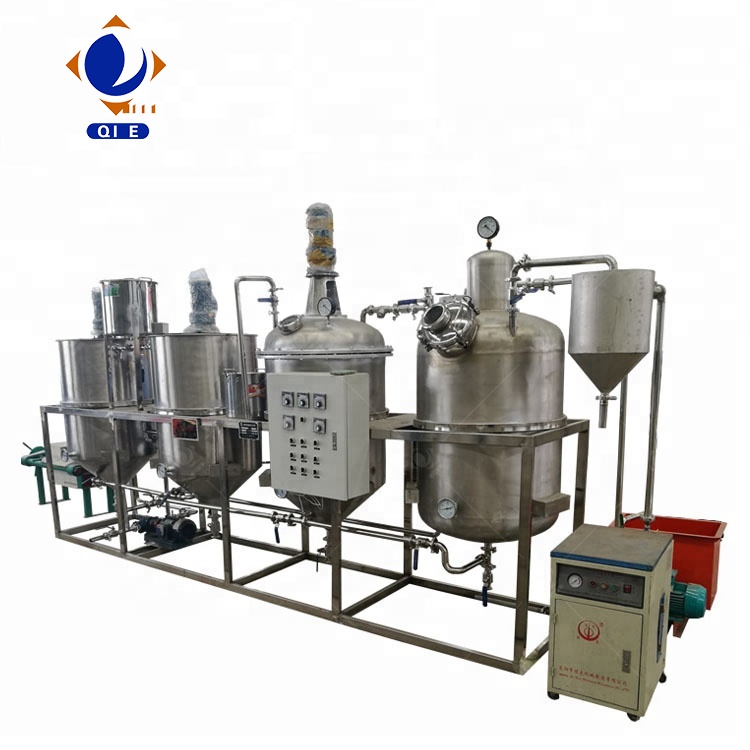
Our multi-stage refining process specifically targets the reduction of free fatty acids and oxidation products:
Each batch undergoes rigorous testing to ensure acid values consistently remain below 0.3 mg KOH/g and peroxide values below 3 meq O₂/kg—well below industry standards.
Not every bakery product requires the same oil characteristics. Here's how to match our refined soybean oils to your specific applications:
Recommended Oil: High stability refined soybean oil (PV <3 meq O₂/kg)
Benefits: Maintains texture crispness for 60-90 days, resists flavor degradation at high baking temperatures
Application Tip: Replace 15-20% of your current oil with our high-stability formula for immediate shelf life improvement
Recommended Oil: Low linolenic refined soybean oil (AV <0.2 mg KOH/g)
Benefits: Preserves moist texture, prevents staling, maintains delicate flavors
Application Tip: Ideal for high-sugar formulations where oxidation risk is elevated
Recommended Oil: Winterized refined soybean oil
Benefits: Maintains stability during freeze-thaw cycles, prevents crystal formation
Application Tip: Test with 50% replacement first to evaluate texture improvement
Many bakeries fall into the trap of choosing oils based solely on upfront cost. However, a 5-10% savings on oil can easily translate to 15-25% higher costs due to:
"We switched to a lower-cost oil to reduce expenses, but our return rate increased from 3% to 12%, and we had to implement a costly recall when customers reported off-flavors. The 'savings' cost us three times as much in the end."
— Quality Director, Regional Bakery Chain
Our clients typically see ROI within 2-3 months through:
Successfully implementing oil quality standards requires cross-departmental collaboration:
We recommend establishing a simple oil quality checklist that includes:
Our team of food scientists will work with you to analyze your current formulations and develop a customized oil solution that extends shelf life while maintaining exceptional taste and texture.
Request Your Free Oil Analysis & SampleWhat's your biggest challenge when it comes to maintaining product freshness? Have you implemented oil quality control measures that delivered measurable results? Share your experiences in the comments below!
 soybean oil refining equipment
energy-saving refining machine installation
modular grain and oil equipment
degumming and deodorizing device
food-grade refining equipment
Soybean oil refining equipment
Degumming and deodorizing technology
Edible oil refining process
Refining equipment integration
Oil processing optimization
Solvent extraction method
Animal feed meal
Soybean oil extraction
Oil content reduction
Solvent recovery technology
304 stainless steel refining equipment
soybean oil refining process
modular oil plant machinery
CE certified edible oil equipment
energy-efficient oil refining systems
automatic soybean oil press machine
soybean oil extraction equipment
oil press machine installation guide
small oil mill equipment
energy-efficient oil pressing system
soybean oil refining equipment
energy-saving refining machine installation
modular grain and oil equipment
degumming and deodorizing device
food-grade refining equipment
Soybean oil refining equipment
Degumming and deodorizing technology
Edible oil refining process
Refining equipment integration
Oil processing optimization
Solvent extraction method
Animal feed meal
Soybean oil extraction
Oil content reduction
Solvent recovery technology
304 stainless steel refining equipment
soybean oil refining process
modular oil plant machinery
CE certified edible oil equipment
energy-efficient oil refining systems
automatic soybean oil press machine
soybean oil extraction equipment
oil press machine installation guide
small oil mill equipment
energy-efficient oil pressing system


.jpg?x-oss-process=image/resize,h_800,m_lfit/format,webp)




.png?x-oss-process=image/resize,h_100,m_lfit/format,webp)
.png?x-oss-process=image/resize,h_100,m_lfit/format,webp)
.png?x-oss-process=image/resize,h_100,m_lfit/format,webp)