As a baking professional, you understand that every ingredient matters—but few have the transformative impact of your choice of oil. When it comes to large-scale commercial baking operations, food-grade refined soybean oil stands as a cornerstone ingredient that directly influences product quality, shelf life, and production efficiency. Yet many bakeries still struggle with preventable issues like off-flavors, inconsistent texture, and compliance setbacks that could be avoided with proper oil parameter management.
The stakes are particularly high for export-oriented bakeries, where regulatory compliance can make or break market access. A single parameter out of specification—whether acid value, moisture content, or color—can lead to rejected shipments, production delays, and damaged brand reputation. In this technical guide, we'll break down the critical quality parameters that separate ordinary soybean oil from the premium-grade options that drive baking excellence.
The acid value (AV) of your soybean oil isn't just a number on a lab report—it's a direct indicator of oil freshness and stability under baking conditions. Measured in mg KOH per gram of oil, this parameter reveals the concentration of free fatty acids (FFA) present in the oil. For commercial bakers, maintaining optimal AV levels isn't optional—it's essential for both product quality and regulatory compliance.
| Oil Type | Maximum Acid Value (mg KOH/g) | Typical Application |
|---|---|---|
| Crude Soybean Oil | 1.0 - 3.0 | Industrial use only |
| Regular Refined Soybean Oil | 0.3 - 0.6 | General cooking |
| Premium Baking Grade Soybean Oil | < 0.2 | Commercial baking, confectionery |
Why does this matter for your bakery? Oils with higher acid values are more prone to oxidation and thermal degradation during baking. When heated to typical baking temperatures (160-220°C), oils with AV above 0.2 mg KOH/g begin to break down, releasing volatile compounds that create that unpleasant "burnt" or "rancid" flavor in your finished products. Over time, this not only compromises taste but also reduces shelf life by accelerating staling.
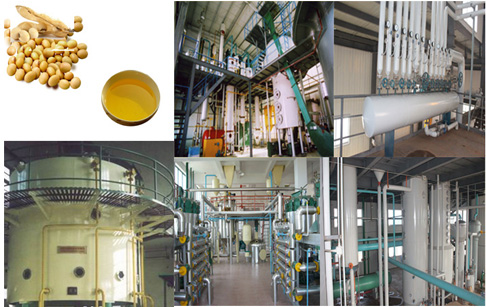
While often overlooked, moisture content in your soybean oil plays a pivotal role in achieving consistent baking results. Commercial baking oils typically contain between 0.05% and 0.15% moisture, but even these small percentages can significantly impact your final product quality and production efficiency.
For export markets like the EU and North America, moisture content isn't just a quality concern—it's a regulatory one. The FDA's Food Safety Modernization Act (FSMA) and EU Regulation (EC) No 1881/2006 set strict limits on moisture levels in edible oils to ensure food safety. Choosing a supplier like 企鹅集团 (QIE Group) that maintains rigorous moisture control protocols can help you avoid costly compliance issues.
When evaluating soybean oil for baking applications, color isn't merely an aesthetic consideration—it's a reliable indicator of refining quality and potential flavor characteristics. The Lovibond color scale, the industry standard for oil color measurement, ranges from pale yellow (0.5Y) to deep amber (35Y+35R), with premium baking oils typically falling between 1.5Y to 3.0Y on this scale.
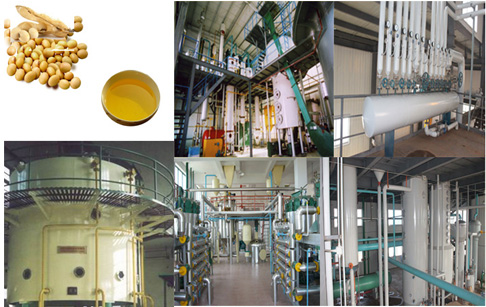
Darker oils often contain higher levels of pigments, free fatty acids, and oxidation products that can impart unwanted flavors to delicate baked goods. For vanilla cakes, pastries, and light-colored confections, a pale yellow oil (1.5Y-2.0Y) ensures your product maintains its desired appearance and clean flavor profile. Darker oils may be suitable for robust applications like artisan breads or chocolate desserts, but require careful testing to ensure they don't overpower other ingredients.
Consider the case of a mid-sized bakery exporting frozen pastries to Canada that was facing consistent customer complaints about "unpleasant burnt aftertaste." Despite multiple recipe adjustments, the issue persisted until a comprehensive oil analysis revealed the root cause: their soybean oil had an average acid value of 0.45 mg KOH/g—more than double the recommended level for premium baking applications.
| Quality Parameter | Previous Oil | Premium Baking Oil | Improvement |
|---|---|---|---|
| Acid Value (mg KOH/g) | 0.45 | 0.18 | +58% |
| Moisture Content (%) | 0.18 | 0.07 | +61% |
| Color (Lovibond) | 4.5Y | 2.0Y | Lighter, more consistent |
| Customer Complaints | 12 per week | 0 in 6 weeks | 100% reduction |
After switching to a premium low free fatty acid soybean oil with controlled moisture content, the bakery eliminated the焦糊味 issue entirely within two production cycles. Equally important, their product shelf life increased by 30%, reducing waste and improving profitability. This real-world example demonstrates how proper oil parameter management directly impacts your bottom line and market reputation.
For bakeries targeting global markets, understanding and complying with international oil quality standards is non-negotiable. Different regions have established specific parameters for food-grade soybean oil, and failure to meet these requirements can result in shipment delays, product seizures, or even market bans.
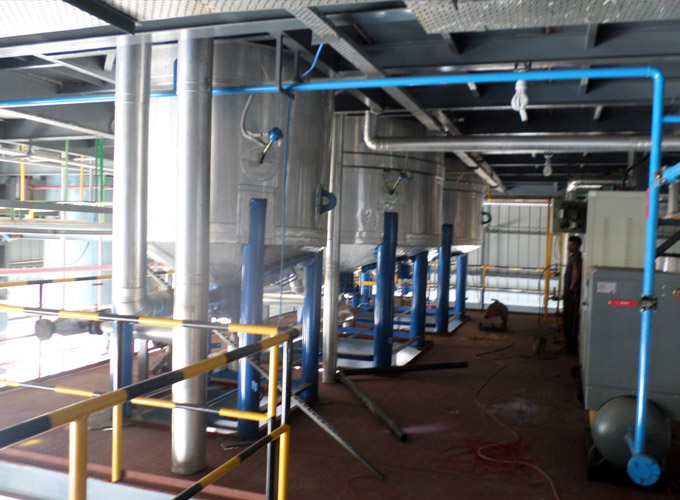
The EU's Commission Regulation (EU) No 152/2009 sets maximum acid value at 0.6 mg KOH/g for refined soybean oil, while the USDA's standards for Grade A oil specify a maximum of 0.3 mg KOH/g. Japan's Food Sanitation Act requires acid values below 0.3 mg KOH/g and additionally mandates strict pesticide residue testing. These variations mean that a one-size-fits-all approach to oil selection simply won't work for multi-market exporters.
Download our comprehensive technical whitepaper to access detailed testing protocols, supplier evaluation checklists, and formulation guidelines specifically designed for export-oriented bakeries.
Access QIE Group Baking Oil Technical WhitepaperGain expert insights to optimize your oil selection and ensure compliance in global markets
Selecting the right soybean oil for your baking operations requires balancing multiple technical parameters while considering your specific product requirements and target markets. By prioritizing acid value, moisture content, and color control, you can eliminate common quality issues like焦糊味, improve product consistency, and ensure compliance with international standards. Remember that your oil supplier should be a strategic partner in this process—providing not just a commodity, but technical expertise and consistent quality that supports your business goals.
 Soybean oil refining equipment
Energy - saving technology
Modular design
Food safety certification
Green transformation
solvent extraction for soybean meal
low residual oil soybean meal
soybean oil extraction technology
feed粕 production optimization
hexane solvent recovery
soybean oil extraction efficiency
automatic filtration press
small oil mill optimization
continuous oil production
oil purification technology
fully automatic soybean oil press
filter screen function
hydraulic system adjustment
temperature control module operation
small oil mill equipment selection
automatic soybean oil press
filter mesh structure
hydraulic system function
temperature control module
oil press equipment selection
Soybean oil refining equipment
Energy - saving technology
Modular design
Food safety certification
Green transformation
solvent extraction for soybean meal
low residual oil soybean meal
soybean oil extraction technology
feed粕 production optimization
hexane solvent recovery
soybean oil extraction efficiency
automatic filtration press
small oil mill optimization
continuous oil production
oil purification technology
fully automatic soybean oil press
filter screen function
hydraulic system adjustment
temperature control module operation
small oil mill equipment selection
automatic soybean oil press
filter mesh structure
hydraulic system function
temperature control module
oil press equipment selection











.png?x-oss-process=image/resize,h_100,m_lfit/format,webp)
.png?x-oss-process=image/resize,h_100,m_lfit/format,webp)
.png?x-oss-process=image/resize,h_100,m_lfit/format,webp)