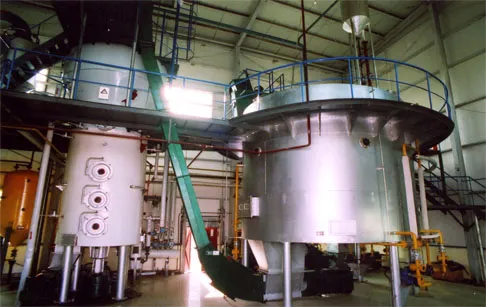
For bakery manufacturers aiming to enter international markets, selecting the right edible oil isn't just a production decision—it's a strategic choice that directly impacts product quality, shelf life, and regulatory compliance. In the competitive global bakery industry, understanding the technical specifications of food-grade refined soybean oil has become a critical factor for success. This article explores the essential quality parameters that define superior baking oils and how they influence your final products.
Not all soybean oils are created equal, especially when it comes to meeting the rigorous demands of commercial baking. Three primary technical指标 (indicators) separate high-quality baking oils from standard edible oils:
The acid value, measured in mg KOH/g, indicates the level of free fatty acids in the oil—a critical factor for baking stability. For premium baking applications, the acid value should ideally remain below 0.15 mg KOH/g. Oils with acid values exceeding 0.25 mg KOH/g can lead to:
During a recent quality audit, a European bakery reported a 30% reduction in product returns after switching to low acid value oil (0.12 mg KOH/g) from their previous supplier.
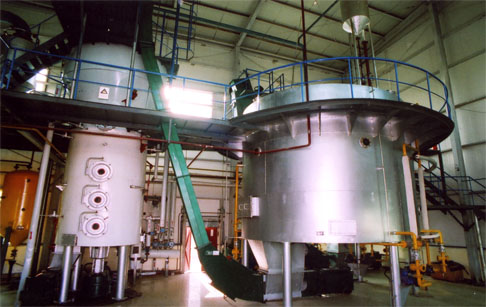
Excess moisture in baking oils creates steam pockets during baking, affecting texture and causing inconsistent results. Industry standards recommend moisture content below 0.05% for refined soybean oil used in bakery applications. This parameter becomes particularly critical for:
Studies show that oils with moisture content above 0.1% increase the risk of microbial growth by 40% in finished baked goods stored under standard conditions.
Oil color, measured on the Lovibond scale, directly impacts the appearance of light-colored baked goods. For premium bakery applications, a Lovibond reading of 20-35 red units is generally recommended. This ensures:
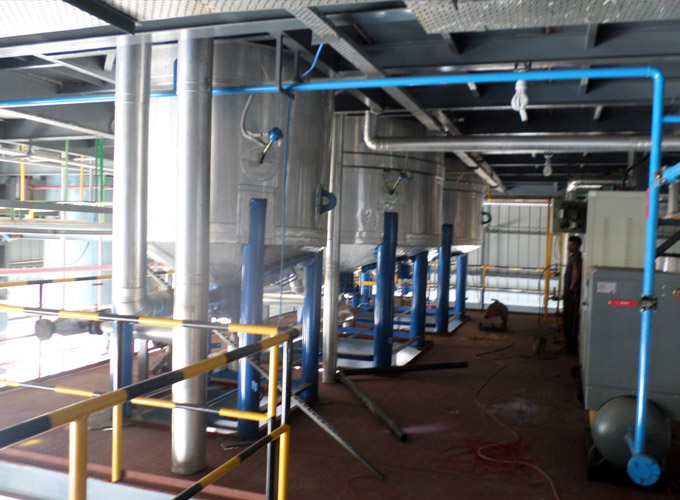
Achieving these stringent quality parameters requires advanced refining processes. The QIE Group employs a proprietary multi-stage refining technology that goes beyond conventional methods to ensure exceptional oil quality for baking applications. This process includes:
| Refining Stage | Purpose | Quality Impact |
|---|---|---|
| Degumming | Removal of phospholipids | Improves thermal stability by 25% |
| Neutralization | Reduction of free fatty acids | Achieves acid values below 0.15 mg KOH/g |
| Bleaching | Color and impurity removal | Consistent Lovibond readings |
| Deodorization | Volatile compound removal | Enhances flavor stability |
Complementing this advanced refining process is our strict adherence to ISO9001:2000 quality management standards. This comprehensive quality system ensures consistent product performance batch after batch, a critical factor for bakery manufacturers maintaining international certifications and meeting diverse market requirements.
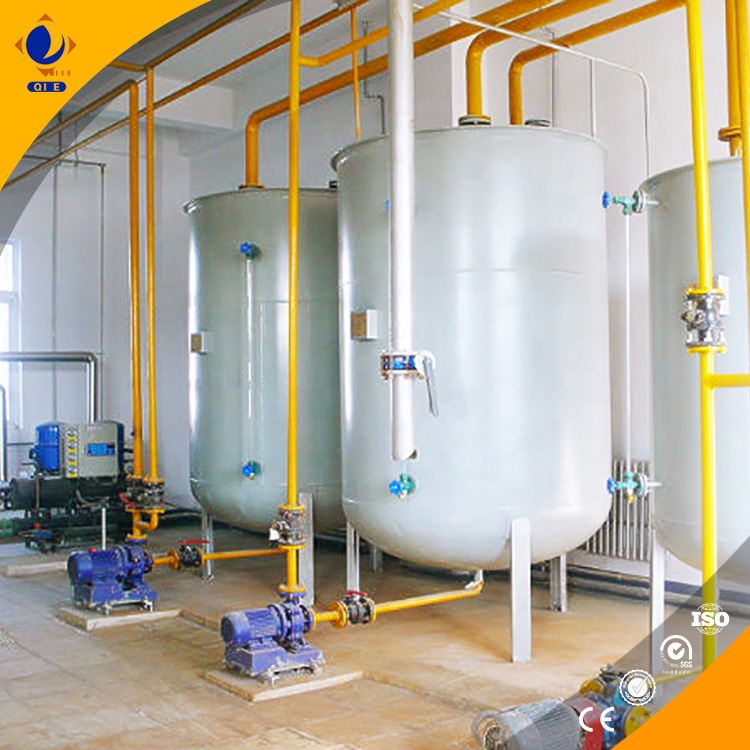
Consider the case of a multinational bakery chain that was experiencing inconsistent results with their croissant production across different regional facilities. After analyzing their production variables, they discovered the variability stemmed from different oil suppliers in each region. By standardizing on QIE Group refined soybean oil with consistent quality parameters, they achieved:
The technical specifications that made this transformation possible included maintaining acid values below 0.13 mg KOH/g, moisture content at 0.03%, and consistent Lovibond color readings between 25-30 red units—parameters that could only be reliably achieved through advanced refining technology.
Selecting the right oil for your specific baking application requires more than just checking basic specifications. It involves understanding how each parameter interacts with your unique production process. For instance:
By aligning your oil selection with your specific product requirements, you can optimize texture, flavor, appearance, and shelf life while reducing production issues and waste.
Download our comprehensive technical whitepaper "Optimizing Baking Oil Selection for International Markets" to gain detailed insights into:
As global bakery markets become increasingly competitive, the quality of your raw materials directly impacts your ability to meet international standards and consumer expectations. By focusing on the critical technical parameters of your baking oils and partnering with suppliers who understand these requirements, you can position your products for success in the global marketplace. The right oil doesn't just improve your products—it transforms your export potential.
 Soybean oil extraction rate improvement
Automatic filtration press
Process optimization for small and medium - sized oil mills
Net oil purity enhancement
Grain and oil processing equipment
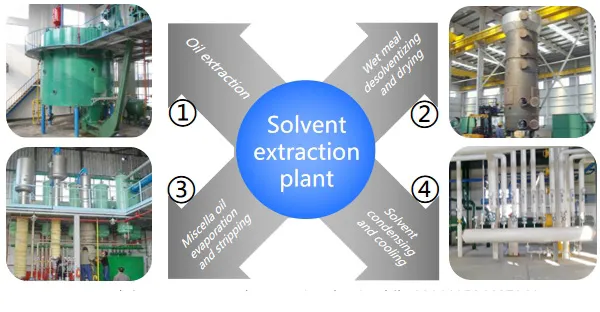
solvent extraction process
animal feed粕
soybean oil extraction
oil content reduction
solvent recovery technology
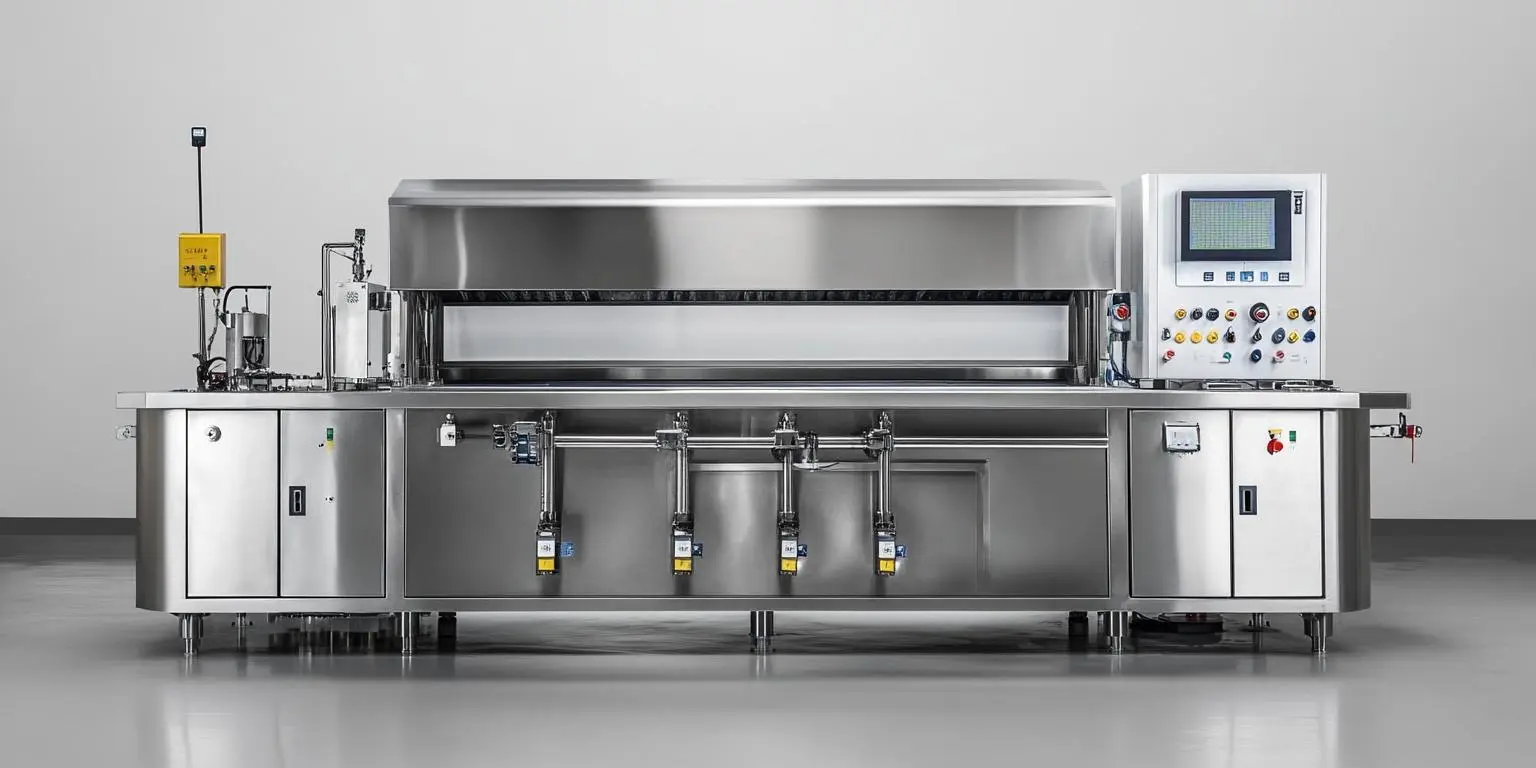
304 stainless steel soybean oil refiner
efficient edible oil refining equipment
modular oil refining system
CE certified oil processing machine
ISO9001 compliant food-grade equipment
soybean oil solvent extraction equipment
animal feed meal processing system
solvent recovery technology
soybean meal oil content control
efficient solvent circulation system
Continuous pressing production line
Small and medium-sized oil mills transformation
Automatic oil filtration system
Intelligent pressing equipment
Filtration function for oil extraction
Soybean oil extraction rate improvement
Automatic filtration press
Process optimization for small and medium - sized oil mills
Net oil purity enhancement
Grain and oil processing equipment
solvent extraction process
animal feed粕
soybean oil extraction
oil content reduction
solvent recovery technology
304 stainless steel soybean oil refiner
efficient edible oil refining equipment
modular oil refining system
CE certified oil processing machine
ISO9001 compliant food-grade equipment
soybean oil solvent extraction equipment
animal feed meal processing system
solvent recovery technology
soybean meal oil content control
efficient solvent circulation system
Continuous pressing production line
Small and medium-sized oil mills transformation
Automatic oil filtration system
Intelligent pressing equipment
Filtration function for oil extraction







.png?x-oss-process=image/resize,h_100,m_lfit/format,webp)
.png?x-oss-process=image/resize,h_100,m_lfit/format,webp)
.png?x-oss-process=image/resize,h_100,m_lfit/format,webp)

.jpg?x-oss-process=image/resize,h_800,m_lfit/format,webp)