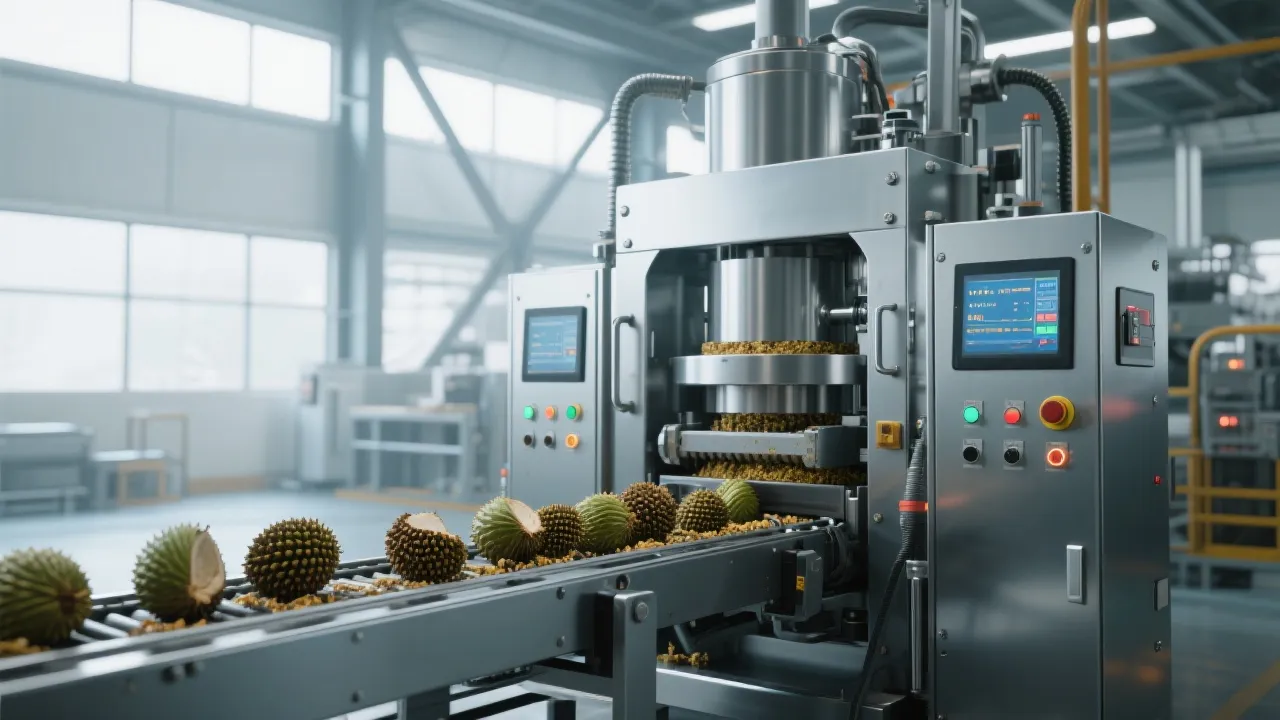
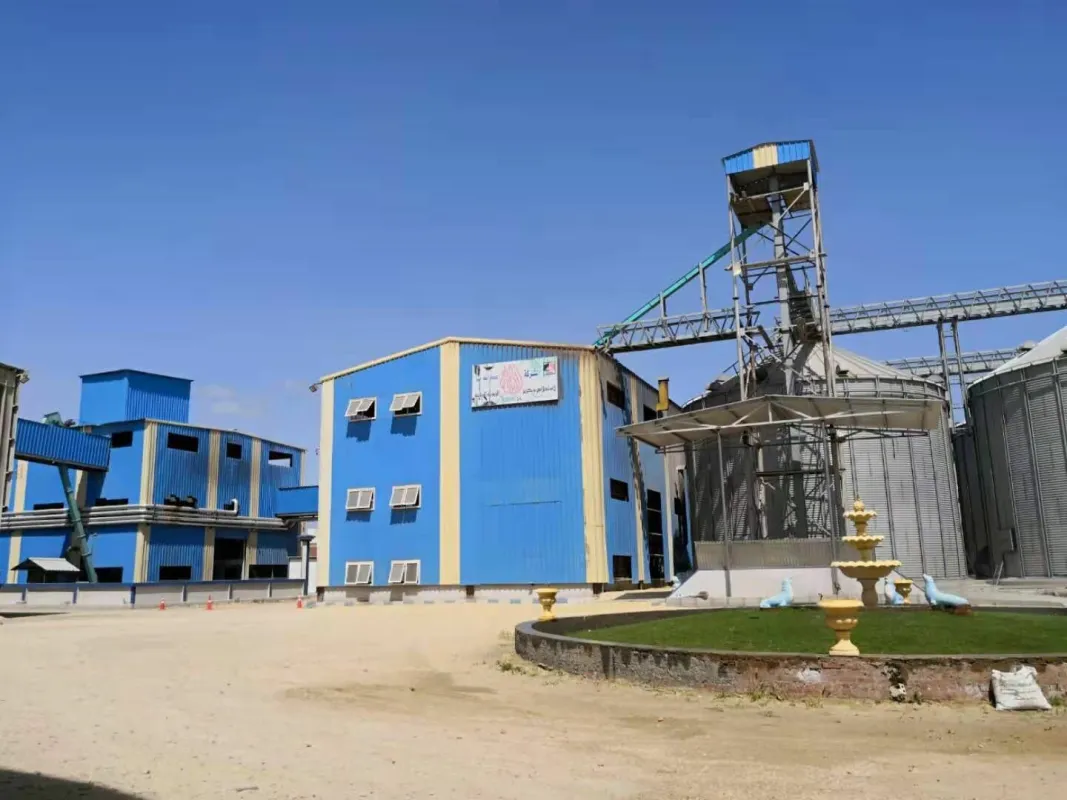
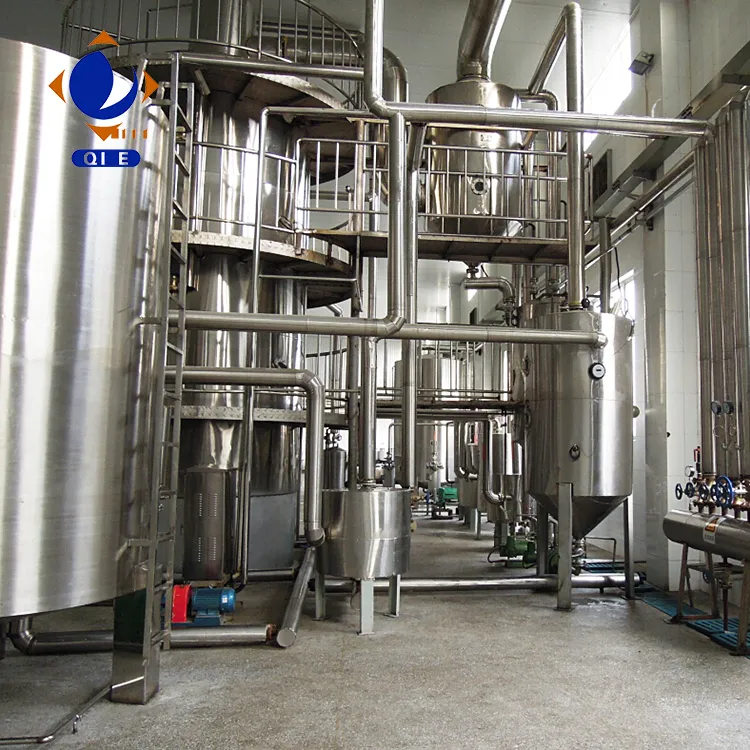
For small and medium-sized grain and oil processing enterprises, selecting the right automatic soybean oil press machine is crucial for achieving optimal output and minimizing operational costs. This guide dives into essential components — the filter screen, hydraulic system, and temperature control module — offering practical advice on using each part efficiently to maximize production quality and machine lifespan.
Choosing a press machine that matches your processing capacity and accurately handles the moisture content of your soybeans is foundational. For instance:
| Model | Capacity (tons/day) | Ideal Raw Material Moisture (%) | Power Consumption (kW) |
|---|---|---|---|
| AB-300 | 1-3 | 8-10 | 2.5 |
| AB-600 | 3-6 | 8-10 | 4.0 |
| AB-1000 | 6-10 | 8-9 | 7.5 |
Always adjust parameters based on the actual moisture of your soybean batches to avoid overloading or suboptimal oil extraction.
The filter screen ensures that solid impurities are separated from the extracted oil, directly influencing oil purity and downstream refining quality. Choosing a screen with the correct mesh size is essential:
A real-world example: A mid-sized processor reduced downtime by 15% after switching to stainless steel filter screens with optimized mesh size, greatly improving their output quality.
The hydraulic system controls pressing force, critical for maximizing oil extraction without damaging equipment. Key guidelines include:
A case study revealed one plant optimized their hydraulic pressure profile, raising extraction efficiency by 8% while lowering energy consumption.
Precise temperature regulation impacts both oil yield and product quality. The temperature control module automates heating elements to keep pressing temps stable:
Practical tip: Automatic pulse heating via the temperature control module can reduce thermal energy usage by up to 12%, offering tangible cost savings.
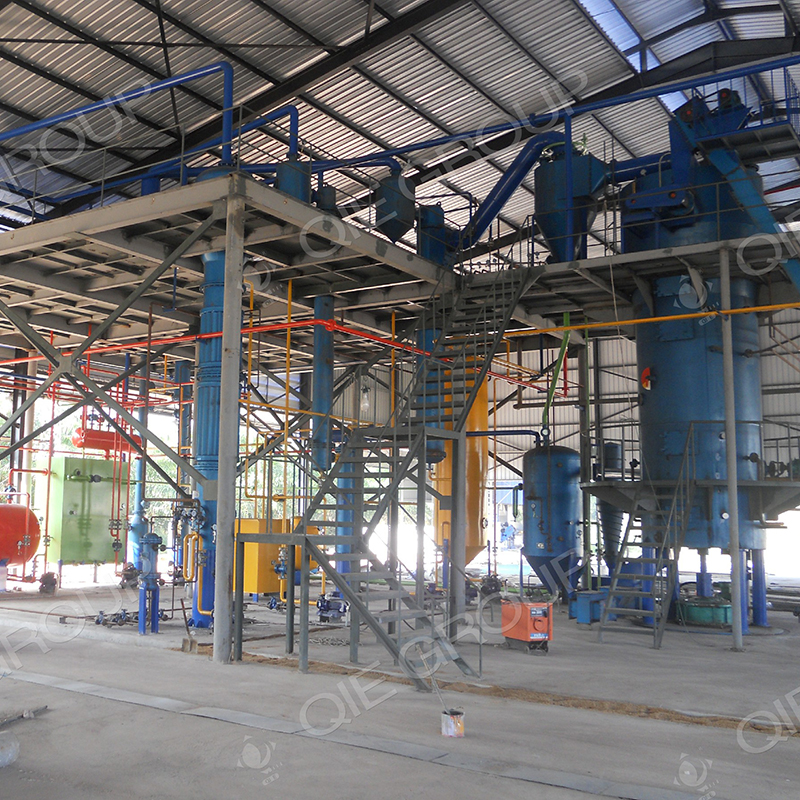
Proper setup is vital for machine longevity and performance. Key factors are:
A successful commissioning often includes operator training focused on routine checks, which cuts unexpected downtime by over 20%.

Daily upkeep extends equipment life and maintains output consistency. Recommended practices include:
Routine care has been shown to reduce fault rates by up to 30%, directly impacting profitability.

Modern soybean oil presses incorporate energy-saving designs, such as optimized hydraulic circuits and smart temperature controls, to cut fuel consumption by up to 15%. This not only lowers operating costs but also supports compliance with increasingly stringent environmental standards.
Embracing these green technologies aligns your business with global sustainability trends and enhances your corporate reputation.
 Soybean oil refining equipment
Energy - saving technology
Modular design
Food safety certification
Green transformation
soybean oil extraction efficiency
automatic filtration press
small oil mill optimization
continuous oil production
oil purification technology
automatic soybean oil press selection
energy-efficient oil pressing equipment
soybean oil filtration system
hydraulic system in oil press
temperature control in oil extraction
soybean oil degumming technology
edible oil refining process optimization
deodorization equipment application
integrated oil refining solutions
oil processing efficiency improvement
Soybean oil refining process
Degumming and deodorization equipment
Optimization of grain and oil processing plants
Energy consumption control
Improvement of edible oil quality
Soybean oil refining equipment
Energy - saving technology
Modular design
Food safety certification
Green transformation
soybean oil extraction efficiency
automatic filtration press
small oil mill optimization
continuous oil production
oil purification technology
automatic soybean oil press selection
energy-efficient oil pressing equipment
soybean oil filtration system
hydraulic system in oil press
temperature control in oil extraction
soybean oil degumming technology
edible oil refining process optimization
deodorization equipment application
integrated oil refining solutions
oil processing efficiency improvement
Soybean oil refining process
Degumming and deodorization equipment
Optimization of grain and oil processing plants
Energy consumption control
Improvement of edible oil quality


.png?x-oss-process=image/resize,h_100,m_lfit/format,webp)
.png?x-oss-process=image/resize,h_100,m_lfit/format,webp)
.png?x-oss-process=image/resize,h_100,m_lfit/format,webp)


.jpg?x-oss-process=image/resize,h_800,m_lfit/format,webp)