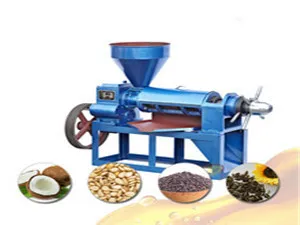
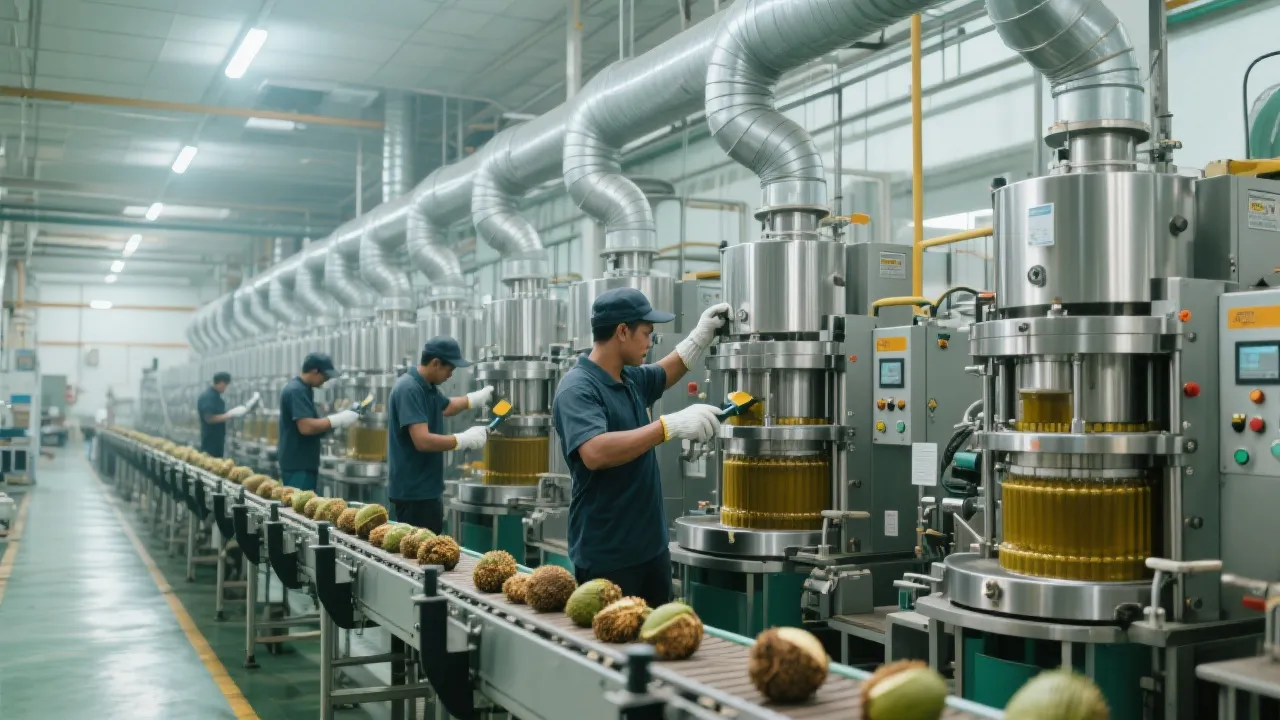
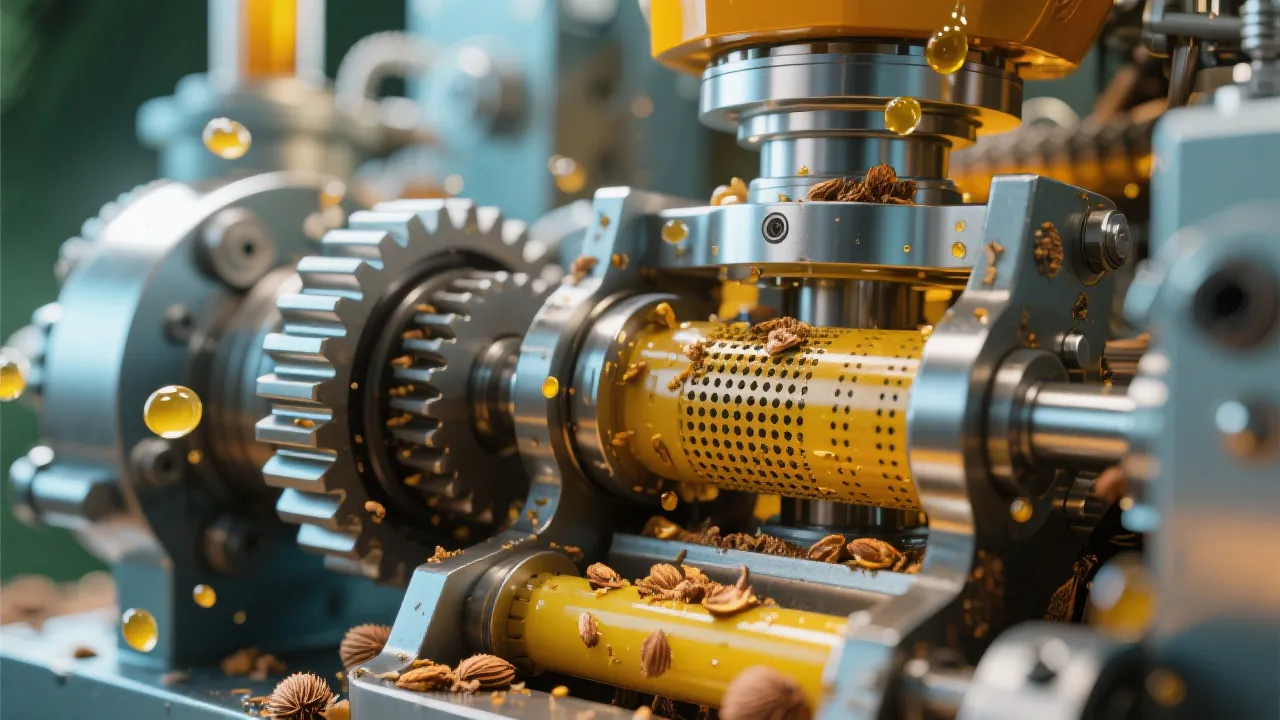
Starting with a fully automatic soybean oil press machine can be daunting, especially if you are a small or medium-sized oil mill owner navigating automation for the first time. To help you avoid costly mistakes and ensure a smooth commissioning process, we break down five critical points you must focus on during installation and debugging. This guide, drawing on tested real-world scenarios, will also help you boost oil yield and purity while minimizing energy consumption.
The starting point of a successful installation is making sure the machine's capacity matches your processing needs. Over-sizing can lead to under-utilization and unnecessary energy costs, while under-sizing risks bottlenecks and excessive wear. Analyze your daily soybean input volume, expected operating hours, and future expansion plans. For example, a typical medium-sized oil mill processes around 500–1000 kg of soybeans per hour; select a machine with a capacity range slightly above your daily requirement to ensure flexibility without wasting energy.
Soybean moisture and particle size significantly affect how oil separates in the press. Using an improper filter screen can reduce oil extraction efficiency and increase impurities. Below is a comparison table of common filter screen types used in the industry:
| Filter Screen Type | Applicable Soybean Moisture (%) | Effect on Oil Purity | Typical Use Case |
|---|---|---|---|
| Fine Mesh (0.3 mm) | 8–10% | High purity; suitable for dry beans | Cold press oil production |
| Standard Mesh (0.5 mm) | 10–13% | Balanced purity & yield | Hot press oil with moderate moisture |
| Coarse Mesh (0.7 mm) | Above 13% | Higher yield; lower purity | Wet beans or quick processing |
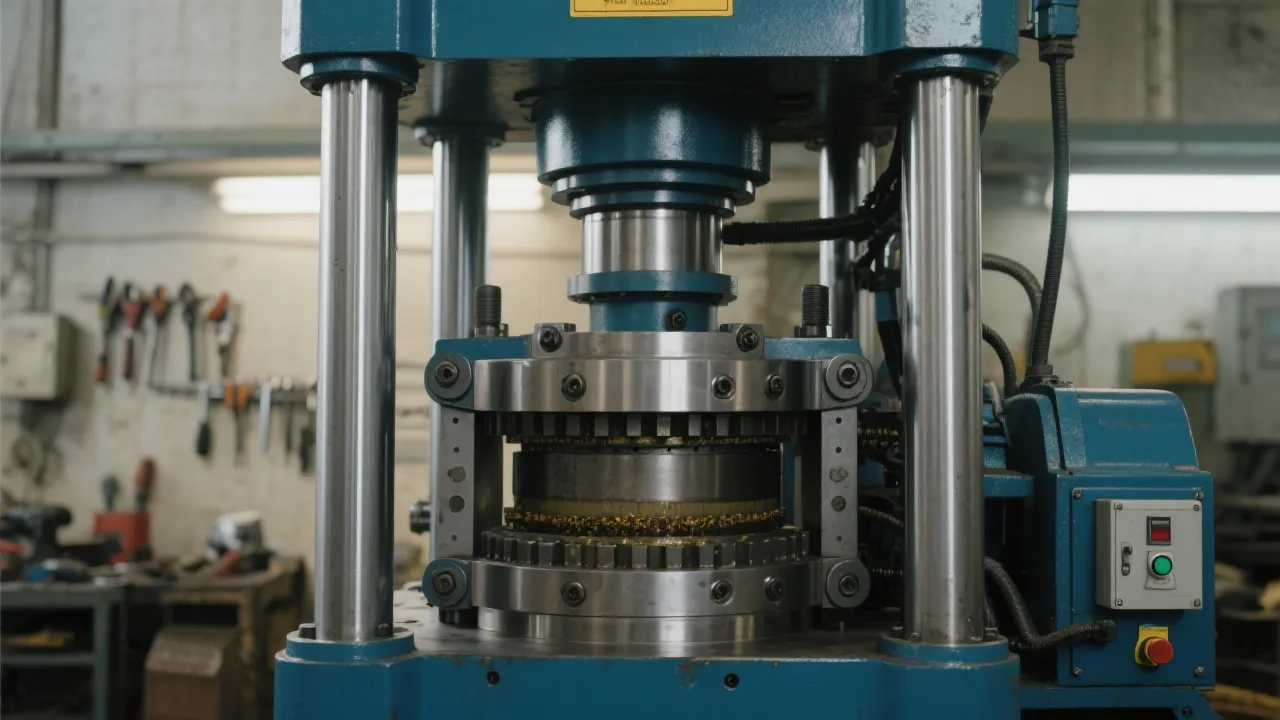
Hydraulic system adjustment is vital for the machine’s operational stability. Incorrect pressure can either reduce oil extraction or cause mechanical strain. During initial setup, monitor the oil yield while adjusting the pressure gradually—starting from the manufacturer’s recommended baseline, typically 0.6–0.8 MPa. Keep your pressure within ±0.05 MPa tolerance for most soybean presses. Experts suggest installing pressure gauges with digital readouts for real-time monitoring. Over time, maintain pressure logs to detect deviations before they impact production.
Expert Tip: "Regular calibration of your hydraulic system not only enhances oil yield by up to 5% but can extend your machine’s service life by reducing wear. Don’t ignore small pressure fluctuations during daily operation." – Technical Consultant, QIE Group.
Temperature is a decisive factor in oil quality and energy consumption. Fully automatic presses usually support cold press (below 60°C) and hot press (up to 105°C) modes. For cold pressing, maintain the temperature around 45–55°C to preserve nutritional value and flavor, but expect a lower yield around 6–8%. Hot pressing at a controlled 90–100°C improves release of oil bodies, pushing yields to 10–12%, yet requires an efficient heat recovery system to curb energy costs.
Your setup should include automated temperature sensors linked to the control panel, allowing instant adjustments during the run. You’ll notice that improper temperature settings can lead to oil discoloration or off-flavors, impacting marketability.
Before full-scale production, conduct multiple test runs to evaluate pressure, temperature, and oil clarity. Use samples of your typical raw materials, varying moisture and particle size, to simulate operating conditions. Document all parameters and outcomes to build your own performance benchmarks.
A daily maintenance checklist should include:
Following these simple steps reduces unplanned downtime and keeps your press running at peak efficiency.
Trusted by over 120 countries worldwide, QIE Group’s soybean oil press machines integrate cutting-edge automation technologies that combine green energy efficiency with robust output. Your journey towards a sustainable, cost-effective oil production line begins with meticulous setup and informed operation.
 soybean oil refining equipment
automated oil refining process
deodorization technology in oil processing
degumming and neutralization control
oil refining integration system
soybean oil yield improvement
automated filtration press
small oil mill process optimization
hot and cold pressing technology
oil extraction efficiency
304 stainless steel soybean oil refiner
efficient edible oil refining equipment
modular oil refining system
CE certified oil processing machine
ISO9001 compliant food-grade equipment
soybean oil refining equipment
degumming and deodorizing technology
degummer selection
neutralization reaction optimization
one - stop refining
automatic soybean oil press
filter mesh structure
hydraulic system function
temperature control module
oil press equipment selection
soybean oil refining equipment
automated oil refining process
deodorization technology in oil processing
degumming and neutralization control
oil refining integration system
soybean oil yield improvement
automated filtration press
small oil mill process optimization
hot and cold pressing technology
oil extraction efficiency
304 stainless steel soybean oil refiner
efficient edible oil refining equipment
modular oil refining system
CE certified oil processing machine
ISO9001 compliant food-grade equipment
soybean oil refining equipment
degumming and deodorizing technology
degummer selection
neutralization reaction optimization
one - stop refining
automatic soybean oil press
filter mesh structure
hydraulic system function
temperature control module
oil press equipment selection


.png?x-oss-process=image/resize,h_100,m_lfit/format,webp)
.png?x-oss-process=image/resize,h_100,m_lfit/format,webp)
.png?x-oss-process=image/resize,h_100,m_lfit/format,webp)

.jpg?x-oss-process=image/resize,h_800,m_lfit/format,webp)