
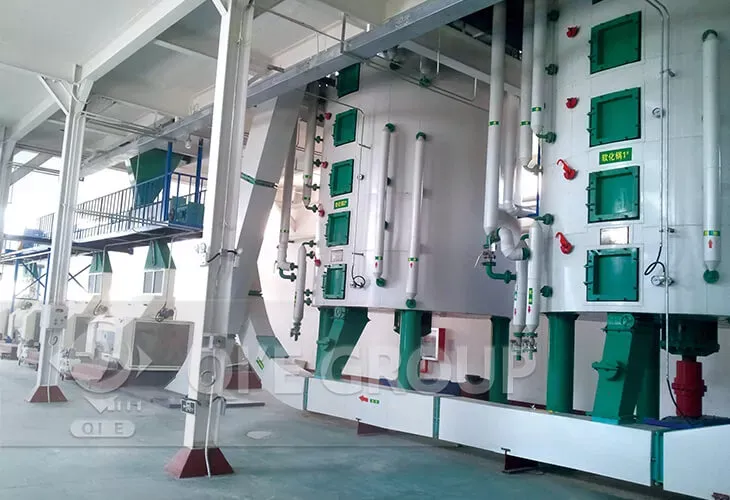
For small-scale oil mill operators in Southeast Asia and Africa, maximizing soybean oil extraction efficiency while maintaining product quality is often the difference between business survival and growth. This comprehensive guide explores the critical parameters of automated soybean oil extraction technology that can transform your small-scale operation into a high-yield, sustainable business.
Before any extraction begins, proper raw material preparation directly impacts overall efficiency. Studies show that inadequate cleaning can reduce oil yield by up to 3-5% and increase equipment wear by 15%. Soybeans should be cleaned to remove impurities such as stones, metal particles, and dust, which can damage machinery and contaminate the final product.
Optimal soybean moisture content before processing should be maintained between 8-10%. Too high moisture leads to uneven cooking and reduced oil flow, while too low moisture increases protein denaturation and decreases oil release.
Crushing soybeans to the ideal particle size is a balancing act that significantly affects oil extraction efficiency. Research indicates that the optimal particle size for soybean crushing ranges between 2-3mm. Particles larger than 4mm reduce surface area contact during pressing, while particles smaller than 1mm can cause excessive friction and clogging in the press.
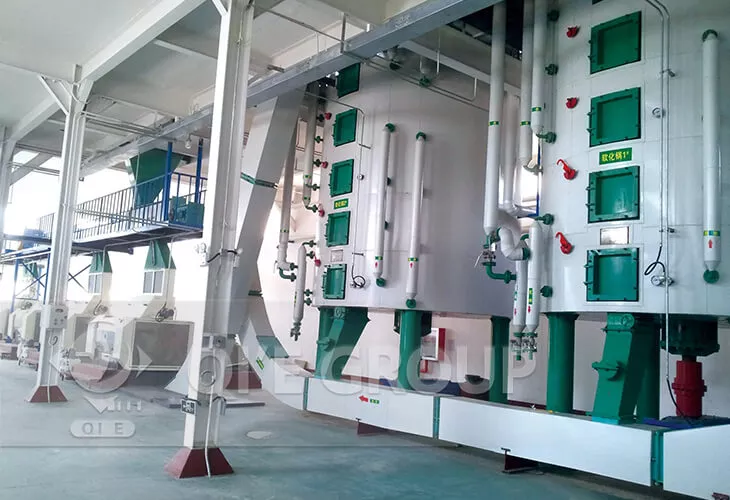
Roasting temperature and duration represent perhaps the most critical parameters in the soybean oil extraction process. The ideal temperature range for soybean roasting is between 120-130°C, maintained for 15-20 minutes. This temperature range optimizes enzyme inactivation—particularly lipase which causes oil rancidity—while preserving the oil's nutritional quality.
Modern automated presses allow for precise pressure control, typically ranging between 25-35 MPa for soybean extraction. The key is implementing a gradual pressure increase rather than immediate high pressure, which can create a "crust" on the material and reduce oil flow.
Operators should note that higher pressure does not always equate to higher yield. Beyond 38 MPa, energy consumption increases exponentially while yield improvements become marginal—often less than 0.5% additional oil for a 20% increase in energy use.
.jpg)
Post-extraction filtration is often overlooked but critical for product quality and marketability. Automated filtration systems typically use pressure leaf filters or membrane filtration with mesh sizes between 5-15 microns. This removes fine particulate matter, resulting in a clear, shelf-stable product.
Properly filtered oil has a shelf life extension of 30-50% compared to unfiltered oil, significantly reducing waste and improving customer satisfaction.
A 2022 implementation of automated榨油设备 at a small Indonesian oil mill demonstrated impressive results. By optimizing the key parameters discussed:
The mill owner reported recouping the equipment investment within 11 months through increased production and reduced operating costs.
Even with optimized parameters, small-scale operators face unique challenges. Here are practical solutions to the most common issues:
Solution: Implement simple pre-screening and moisture testing. Even basic moisture meters (under $100) can help adjust processing parameters for different soybean batches.
Solution: Establish a preventive maintenance schedule. Daily cleaning of press components reduces wear and extends equipment life by 30-40%.
Discover how Penguin Group's automated榨油设备 can help your small-scale operation achieve consistent, high-yield results while reducing operational costs.
Get Your Custom Efficiency Analysis NowSuccessful small-scale soybean oil extraction requires a balance of art and science. By implementing these key parameters and best practices, operators can achieve commercial-level efficiency even with limited resources. The transition to automated processes doesn't have to be overwhelming—start with one parameter at a time, measure results, and gradually optimize your complete workflow.
Remember that local conditions, including soybean varieties, climate, and available resources, will influence your specific optimal parameters. Regular testing and adjustment based on real production data will help you fine-tune your process for maximum efficiency and profitability.
 solvent extraction equipment
animal feed meal processing
soybean oil extraction
residual oil reduction
solvent recovery system
Soybean oil solvent extraction equipment design guide
Soybean meal oil content control technology
Solvent recovery system optimization
Animal feed meal processing technology
Hexane solvent recycling
solvent recovery system for soybean meal
desolventizing equipment maintenance
soybean meal processing efficiency
hexane solvent recycling
animal feed processing technology
food-grade refined soybean oil
baking soybean oil
acid value standard
export food compliance
soybean oil technical parameters
solvent extraction method
high-protein feed原料
soybean meal processing
solvent recovery system
animal feed production
solvent extraction equipment
animal feed meal processing
soybean oil extraction
residual oil reduction
solvent recovery system
Soybean oil solvent extraction equipment design guide
Soybean meal oil content control technology
Solvent recovery system optimization
Animal feed meal processing technology
Hexane solvent recycling
solvent recovery system for soybean meal
desolventizing equipment maintenance
soybean meal processing efficiency
hexane solvent recycling
animal feed processing technology
food-grade refined soybean oil
baking soybean oil
acid value standard
export food compliance
soybean oil technical parameters
solvent extraction method
high-protein feed原料
soybean meal processing
solvent recovery system
animal feed production




.jpg?x-oss-process=image/resize,h_800,m_lfit/format,webp)

.jpg?x-oss-process=image/resize,h_800,m_lfit/format,webp)


.png?x-oss-process=image/resize,h_100,m_lfit/format,webp)
.png?x-oss-process=image/resize,h_100,m_lfit/format,webp)
.png?x-oss-process=image/resize,h_100,m_lfit/format,webp)
.jpg?x-oss-process=image/resize,h_800,m_lfit/format,webp)

.jpg?x-oss-process=image/resize,m_fill,h_800,w_800/format,webp)