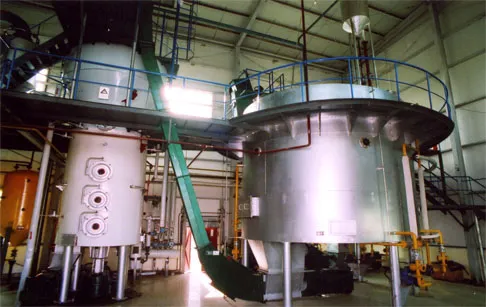
As a home user or small-scale processor, your soybean oil press is more than just equipment—it's an investment in healthy living and sustainable production. Proper maintenance isn't just about extending lifespan; it directly impacts oil quality, extraction efficiency, and safety. Studies show that regular maintenance can increase equipment lifespan by up to 300% and reduce unexpected breakdowns by 75%. Let's dive into the professional maintenance practices that will keep your home soybean oil press operating at peak performance for years to come.
Whether you're processing 5kg or 50kg of soybeans weekly, establishing a consistent maintenance routine is critical. Most home users overlook simple maintenance steps that could prevent 80% of common issues. The Penguin Group recommends a tiered approach: daily quick checks, weekly deep cleaning, and monthly comprehensive inspections. This proactive strategy saves both time and money in the long run.

Your press's stainless steel components require special attention to maintain food safety standards and prevent oil contamination. The frequency of cleaning depends on usage intensity:
Use only food-grade cleaners and soft brushes. Avoid abrasive materials that can scratch the stainless steel surface, creating harbor points for bacteria. Warm water with mild dish soap is usually sufficient for daily cleaning. For stubborn oil residues, a solution of 1 part white vinegar to 3 parts water works effectively without leaving chemical residues.
Proper lubrication reduces friction, prevents overheating, and ensures smooth operation. The transmission system—the heart of your oil press—requires specific attention:
Always use food-grade lubricants specifically designed for oil press machinery. Ordinary motor oil can contaminate your oil and damage seals. Apply lubricant to all moving parts every 20-30 operating hours, or at least monthly for regular users. Pay special attention to the gearbox, where insufficient lubrication causes 60% of mechanical failures.
.jpg)
Your oil filter is critical for producing clear, high-quality oil. A clogged filter increases pressure, reduces yield, and can cause premature wear. Replaceable filters should be changed every 50-80kg of processed soybeans, depending on bean quality. Reusable filters require thorough cleaning after each use and should be replaced every 6-12 months with original manufacturer parts for optimal performance.
Blockages are the most common issue faced by home oil press users, often caused by improper bean preparation or infrequent cleaning. Here's how to identify and resolve typical blockages:
Preventative maintenance is key—spending 5 minutes after each use to clear residues prevents 90% of blockage issues. For persistent problems, professional guidance can save hours of frustration.
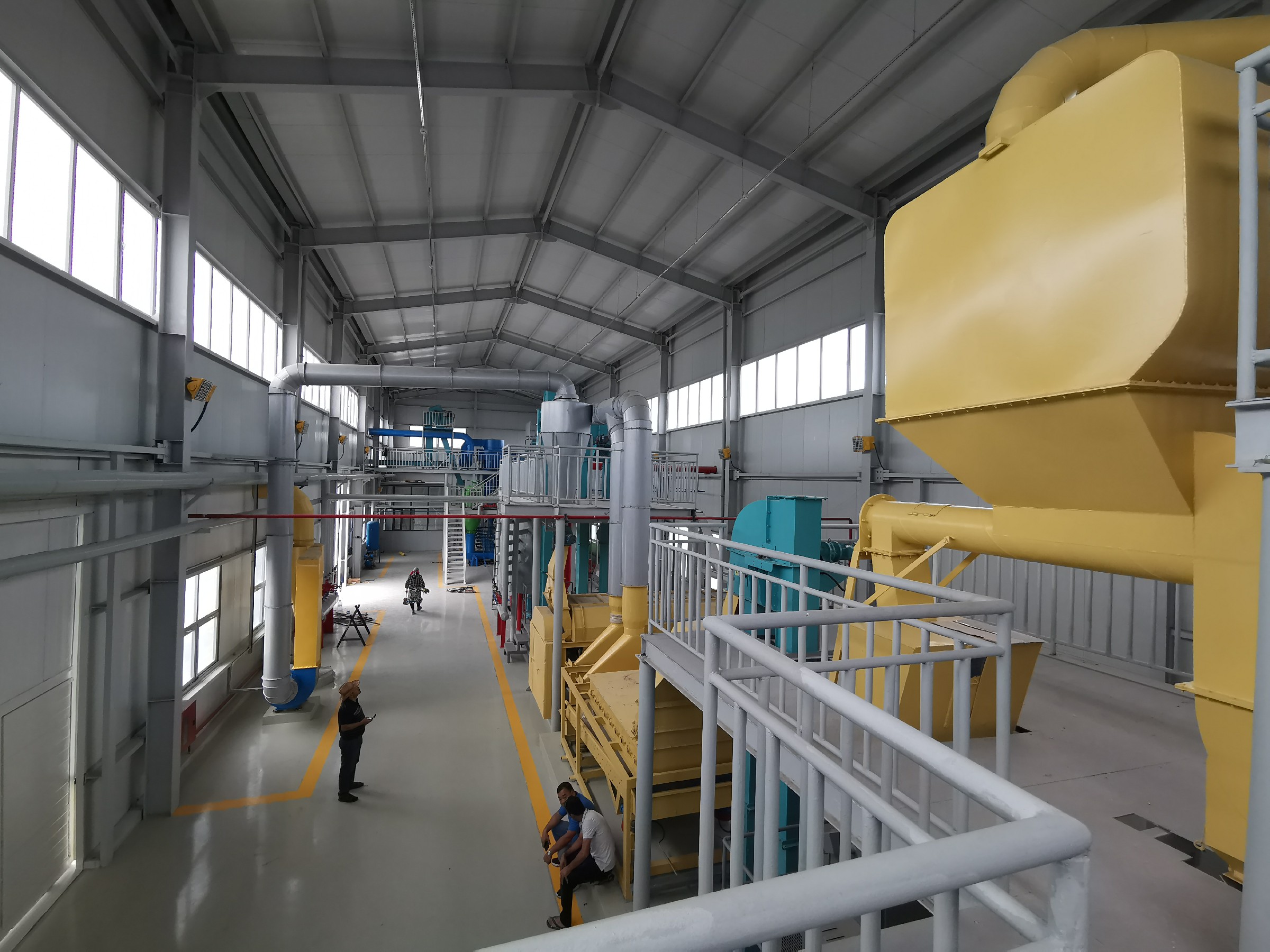
Even with proper maintenance, unexpected issues can arise. Remote technical support has revolutionized equipment maintenance, especially for users in remote areas without easy access to service centers. Penguin Group's remote support service resolves 85% of technical issues within a single session, saving users both time and service call costs.
Through video calls, technicians can visually assess problems, guide users through diagnostic steps, and provide real-time solutions. This service has proven particularly valuable during peak processing seasons when downtime directly impacts production schedules.
Ensure your equipment operates at peak efficiency with genuine parts and expert guidance
Get Professional Maintenance SupportRemember, your home soybean oil press is a precision machine that deserves professional care. By following these maintenance guidelines and knowing when to seek expert assistance, you'll enjoy consistent performance, superior oil quality, and maximum return on your investment for years to come.
 soybean oil refining
deacidification technology
dephosphatation process
edible oil quality improvement
energy-saving refining equipment
baking oil selection
low free fatty acid soybean oil
acid value control
peroxide value detection
export food quality standards
Solvent extraction method
Animal feed meal
Reduction of soybean meal oil content
Solvent recycling
Feed production technology
soybean oil refining equipment
batch operation mode
semi-continuous operation mode
energy-saving oil refining
QIE Group
soybean oil refining process
deacidification technology
degumming process
bleaching methods
edible oil processing
soybean oil refining
deacidification technology
dephosphatation process
edible oil quality improvement
energy-saving refining equipment
baking oil selection
low free fatty acid soybean oil
acid value control
peroxide value detection
export food quality standards
Solvent extraction method
Animal feed meal
Reduction of soybean meal oil content
Solvent recycling
Feed production technology
soybean oil refining equipment
batch operation mode
semi-continuous operation mode
energy-saving oil refining
QIE Group
soybean oil refining process
deacidification technology
degumming process
bleaching methods
edible oil processing


.png?x-oss-process=image/resize,h_100,m_lfit/format,webp)
.png?x-oss-process=image/resize,h_100,m_lfit/format,webp)
.png?x-oss-process=image/resize,h_100,m_lfit/format,webp)


.jpg?x-oss-process=image/resize,m_fill,h_800,w_800/format,webp)