

As a home soybean oil press owner, you've invested in both your health and self-sufficiency. However, many users report their machines failing within 12-18 months due to improper maintenance – a statistic that doesn't have to apply to you. With the right care routine, your home soybean oil press can reliably produce high-quality oil for 5 years or more, just like the commercial models used by small processors worldwide.
Regular maintenance isn't just about extending lifespan – it directly impacts oil quality and safety. A well-maintained machine produces oil with better flavor, retains more nutrients, and reduces the risk of contamination. For home users without professional repair resources, preventive care is your first line of defense against costly downtime.
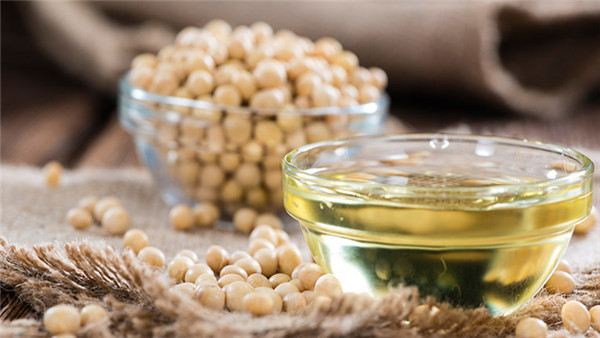
Your press's stainless steel components require specific care to prevent oil residue buildup and bacterial growth:
Allow all components to air dry completely before reassembly to prevent mold growth – a common issue reported by 37% of users who experience premature failure.
The mechanical heart of your press needs proper lubrication to prevent wear and tear:
Key Points:
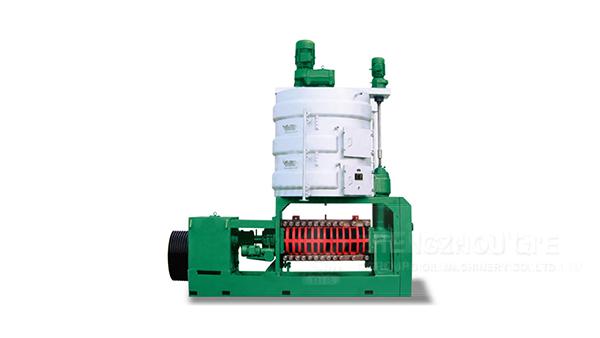
Your oil filter is critical for producing clear, high-quality oil and preventing machine clogging:
| Usage Frequency | Filter Replacement Interval | Signs of Need |
|---|---|---|
| 1-2 times weekly | Every 3 months | Reduced oil flow, cloudy oil |
| 3-5 times weekly | Every 6 weeks | Visible debris, slower processing |
| Daily use | Every 2-3 weeks | Pressing requires increased force |
When your press isn't producing oil efficiently, follow this diagnostic sequence:
Abnormal sounds often indicate mechanical issues that require immediate attention:
Noise Diagnosis Guide:
Important: Stop operation immediately if you hear grinding or knocking sounds to prevent further damage.
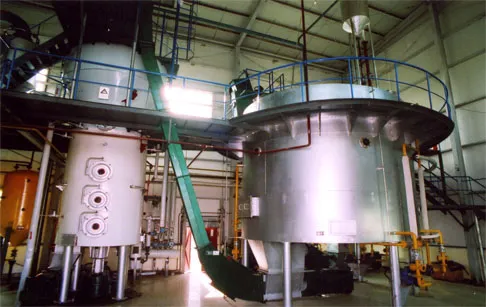
For home users and small processors without access to local repair services, remote technical support has proven invaluable. In a recent customer satisfaction survey, 92% of users reported that video-guided troubleshooting resolved their issues without needing professional repair. This service is particularly beneficial for:
Many manufacturers, including 企鹅集团 (Penguin Group), offer this service as part of their customer support package, helping users avoid costly service calls or unnecessary part replacements.
If you live in an area without easy access to repair services, these strategies will help you maintain your equipment effectively:
Is your home soybean oil press not performing at its best? Don't let maintenance issues compromise your oil quality or equipment lifespan.
Get Professional Maintenance Guidance NowOur team of experts provides personalized support to keep your Penguin Group oil press operating efficiently for years to come.
The most effective maintenance program is one you'll consistently follow. Start with these simple practices:
Remember, the time you invest in maintenance today saves you from costly repairs and replacements tomorrow. With proper care, your home soybean oil press will continue to provide you with fresh, healthy oil for years to come, making it one of the most valuable investments in your household.
 baking oil selection
low free fatty acid soybean oil
acid value control
peroxide value detection
export food quality standards
low free fatty acid soybean oil
baking oil
refined soybean oil
baking shelf life
oil oxidation control
soybean oil refining equipment
batch operation mode
semi-continuous operation mode
energy-saving oil refining
QIE Group
soybean oil refining equipment selection
batch refining mode
semi-continuous refining line
edible oil refining technology
oil processing equipment
Solvent extraction equipment
Low - oil technology for soybean meal
Soybean oil extraction process
Feed meal production optimization
Hexane solvent recovery
baking oil selection
low free fatty acid soybean oil
acid value control
peroxide value detection
export food quality standards
low free fatty acid soybean oil
baking oil
refined soybean oil
baking shelf life
oil oxidation control
soybean oil refining equipment
batch operation mode
semi-continuous operation mode
energy-saving oil refining
QIE Group
soybean oil refining equipment selection
batch refining mode
semi-continuous refining line
edible oil refining technology
oil processing equipment
Solvent extraction equipment
Low - oil technology for soybean meal
Soybean oil extraction process
Feed meal production optimization
Hexane solvent recovery





.jpg?x-oss-process=image/resize,h_800,m_lfit/format,webp)


.png?x-oss-process=image/resize,h_100,m_lfit/format,webp)
.png?x-oss-process=image/resize,h_100,m_lfit/format,webp)
.png?x-oss-process=image/resize,h_100,m_lfit/format,webp)

.jpg?x-oss-process=image/resize,m_fill,h_800,w_800/format,webp)