If you're a small or mid-sized oil mill owner stepping into automated soybean oil extraction for the first time, this guide is your practical roadmap—from selecting the right machine to getting it running smoothly in under 72 hours.
Most new operators overestimate their daily output needs. For example, if your facility processes 2–3 tons of soybeans per day, a 5-ton/hour press might seem ideal—but it will run at only 40% capacity, increasing wear and reducing efficiency. Instead, choose a model with a 3–4 ton/hour capacity. This ensures optimal hydraulic pressure, consistent oil yield (typically 18–22%), and lower energy use per kg of oil.
| Machine Type | Recommended Daily Output | Ideal For |
|---|---|---|
| Auto Press 3T/H | 1–3 tons/day | Small family-run mills |
| Auto Press 5T/H | 3–6 tons/day | Growing regional processors |
Soybeans with moisture above 12% can cause clogging in the filter system and reduce oil clarity. Always test incoming raw material using a moisture meter before processing. If moisture exceeds 13%, consider drying the beans briefly—this simple step improves filtration efficiency by up to 25% and reduces downtime during production cycles.
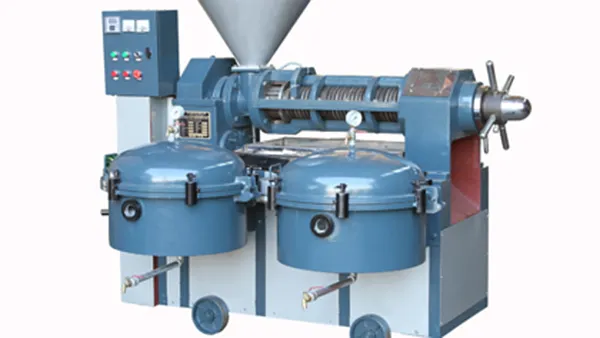
Your automatic press has three key systems:
Even experienced engineers make mistakes here. Follow this checklist:
After 3 months of regular use, inspect these parts monthly:
With proper care, your machine can operate reliably for 8+ years—far beyond industry average of 5 years.
Pro Tip: Keep a logbook—not just for compliance, but to track patterns. Many users discover early signs of wear (like rising oil viscosity) weeks before failure.
Modern automatic presses consume 15–20% less electricity than older models thanks to variable frequency drives (VFDs) and optimized heat recovery systems. Over one year, that’s ~$1,200 saved per machine—even at $0.12/kWh. Plus, fewer emissions mean easier compliance with local environmental standards.
Download our free Installation & Operation Manual for full technical specs, troubleshooting flowcharts, and maintenance schedules tailored to your region’s climate and soybean types.
Get Instant Access Now →


.png?x-oss-process=image/resize,h_100,m_lfit/format,webp)
.png?x-oss-process=image/resize,h_100,m_lfit/format,webp)
.png?x-oss-process=image/resize,h_100,m_lfit/format,webp)

.jpg?x-oss-process=image/resize,h_800,m_lfit/format,webp)