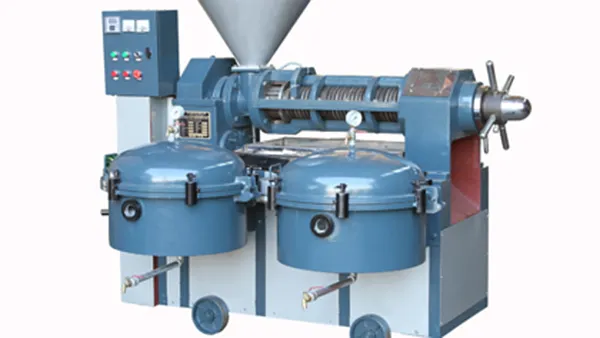
As small and medium-sized oilseed processing plants across Asia, Africa, and Latin America seek to scale efficiently, many are shifting from outdated batch presses to continuous screw press lines equipped with automated filtration systems. This transition isn’t just about modernization—it’s a strategic move toward higher yield, better quality, and reduced operational stress.
Most traditional oil mills still rely on intermittent pressing methods that require manual feeding, frequent stops for cleaning, and inconsistent pressure control. According to industry reports from the International Association of Food Processing (IAFP), such systems typically achieve an average oil extraction rate of only 85–90%, leaving significant residual oil in the cake—often up to 8%—which directly impacts profitability and sustainability.
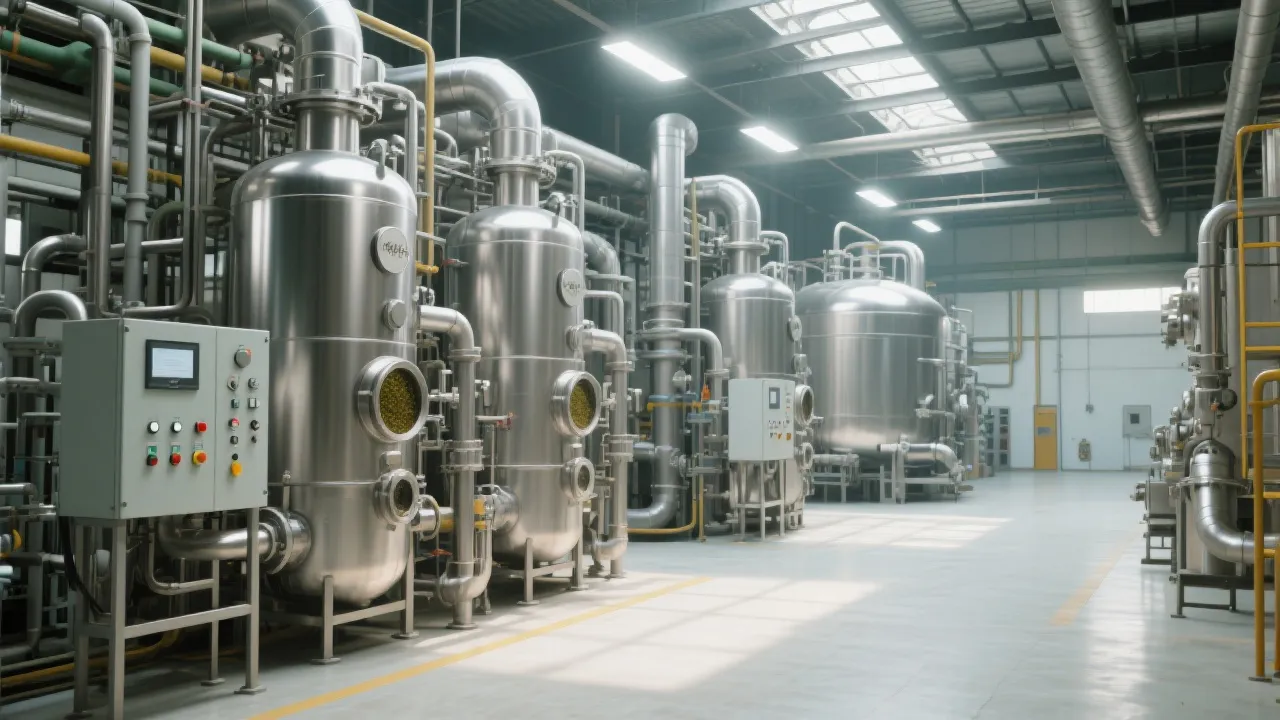
Moreover, the resulting crude oil contains more impurities like phospholipids, free fatty acids, and solids, increasing downstream refining costs by up to 20%. For a mill producing 5 tons/day, this can mean thousands in unnecessary chemical and energy expenses annually.
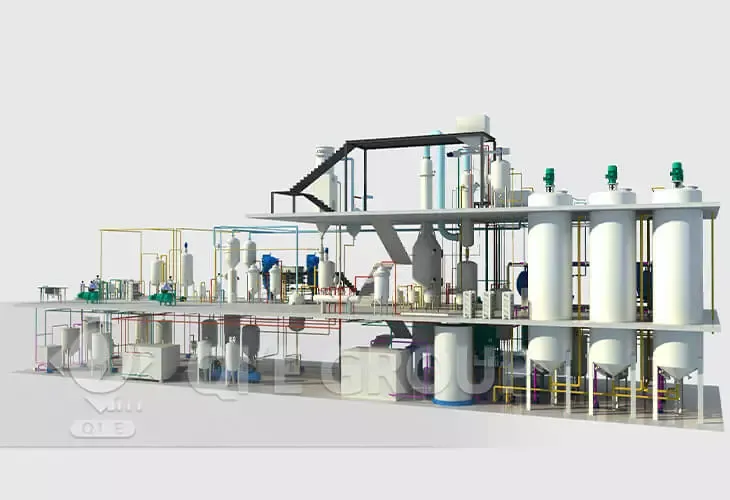
The real breakthrough lies in integrating a dual-stage filter system into the continuous press line. Unlike conventional setups where filtered oil flows back manually or through gravity alone, modern designs use vacuum-assisted filtration to extract residual oil from soybean cake while simultaneously separating fine particles. Data from pilot installations show this approach increases overall oil recovery to over 95%, with a measurable improvement in viscosity and cloud point stability—a key factor in downstream refining efficiency.
In one case study conducted at a 3-ton-per-day facility in Vietnam, switching to a continuous press with integrated filtration increased daily output by 18% without additional labor, while reducing solvent usage in subsequent refining steps by 15% due to cleaner raw material.
What often holds smaller mills back isn’t technical complexity—it’s confidence in operating new equipment. That’s where intelligent control systems come in. These systems include features like:
Operators no longer need advanced engineering degrees to run these lines. A trained technician can maintain consistent performance with minimal downtime—something that’s critical when margins are tight and labor scarce.
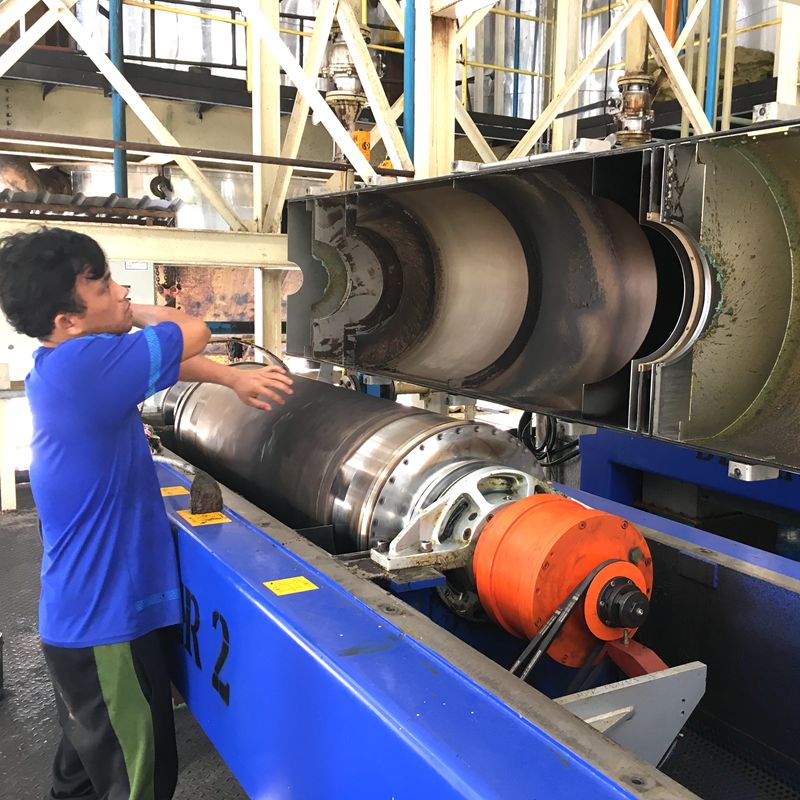
Our clients report not only faster ramp-up times but also fewer production errors—even among teams with limited prior experience in automated systems. One client in Nigeria noted a 30% drop in operator training time after implementing our smart-controlled press line.
Pro Tip: When evaluating continuous press solutions, prioritize vendors who offer modular automation packages—not just hardware. The ability to upgrade software remotely and adapt parameters quickly is what separates scalable operations from rigid ones.
At Qingdao Qianlong Machinery, we’ve helped over 120 small-to-mid-tier oil mills implement smart press lines since 2018—with a 97% satisfaction rate based on post-installation surveys. Our customers don’t just get machines—they get a partnership in process optimization.
Discover how our intelligent continuous press systems can boost your outturn by 10–15% and reduce refining costs—without hiring new staff.
Get Your Free Process Audit Today fully automated soybean oil press
small and medium oil mill equipment selection
soybean oil pressing technology
automated oil pressing maintenance
production capacity raw material matching
soybean oil refining
neutralization pH optimization
emulsification reduction
grain and oil processing technology
energy-efficient oil refining
deodorization tower selection
soybean oil refining process
environmental emission control system
small and medium oil processing plant
edible oil quality improvement
Continuous pressing
Filtration system
Soybean oil extraction rate
Intelligent control system
Upgrade of small and medium - sized oil mills
automatic soybean oil press
filter mesh structure
hydraulic system function
temperature control module
oil press equipment selection
fully automated soybean oil press
small and medium oil mill equipment selection
soybean oil pressing technology
automated oil pressing maintenance
production capacity raw material matching
soybean oil refining
neutralization pH optimization
emulsification reduction
grain and oil processing technology
energy-efficient oil refining
deodorization tower selection
soybean oil refining process
environmental emission control system
small and medium oil processing plant
edible oil quality improvement
Continuous pressing
Filtration system
Soybean oil extraction rate
Intelligent control system
Upgrade of small and medium - sized oil mills
automatic soybean oil press
filter mesh structure
hydraulic system function
temperature control module
oil press equipment selection




.png?x-oss-process=image/resize,h_100,m_lfit/format,webp)
.png?x-oss-process=image/resize,h_100,m_lfit/format,webp)
.png?x-oss-process=image/resize,h_100,m_lfit/format,webp)