For small and medium-sized oil mill owners and technical managers who are new to fully automatic soybean oil pressing equipment, this guide provides a practical and easy - to - understand roadmap to help you select, install, and operate the equipment correctly. Let's start with understanding the key aspects.
Before choosing a fully automatic soybean oil pressing machine, it's crucial to evaluate your mill's production capacity needs. Consider factors such as daily processing volume and future expansion plans. For example, a small - scale mill with a daily processing volume of 1 - 5 tons may require a different machine compared to a medium - sized mill with a capacity of 5 - 20 tons.
Case Study: A small oil mill in a rural area initially planned for a daily processing of 2 tons of soybeans. By accurately assessing their capacity needs, they chose a Penguin Group fully automatic soybean oil press that could handle up to 3 tons per day, allowing for some future growth without over - investing.
The characteristics of soybeans, especially their moisture content, significantly impact the performance of the pressing equipment. Generally, soybeans with a moisture content of 10% - 13% are ideal for most pressing machines. If the moisture is too high, it can lead to lower oil extraction rates and potential damage to the equipment.
Key Point: Use a moisture meter to measure the moisture content of soybeans before feeding them into the machine. Adjust the processing parameters according to the moisture level to ensure optimal performance.
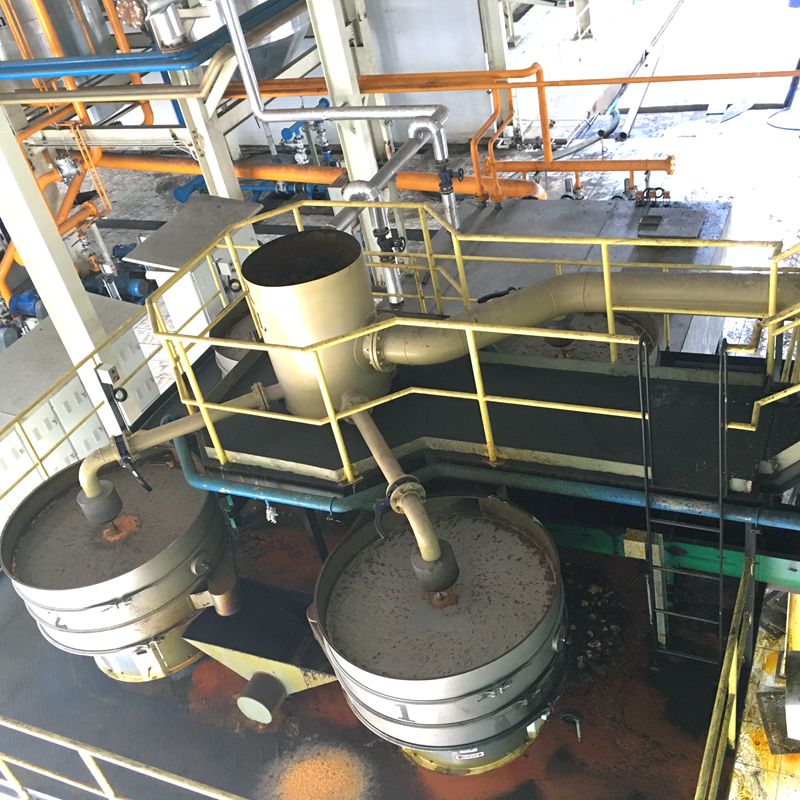
The filter screen is responsible for separating the oil from the solid residues. A well - designed filter screen can improve the purity of the extracted oil. Regularly clean the filter screen to prevent clogging, which can reduce the efficiency of the machine.
The hydraulic system provides the pressure needed for oil extraction. Check the hydraulic oil level regularly and replace it every 6 - 12 months depending on usage. Keep an eye on the pressure gauges to ensure the system is operating within the normal range.
The temperature control module helps maintain the optimal temperature during the pressing process. Different stages of oil extraction may require different temperatures. For example, the pre - heating stage may need a temperature of around 60 - 70°C, while the main pressing stage may require 80 - 90°C.
Ensure the installation site is flat, well - ventilated, and has a stable power supply. The floor should be able to bear the weight of the equipment.
Carefully unload the equipment and place it in the designated position. Make sure the machine is level and all connections are properly aligned.
Connect all the pipelines, including the oil outlet, residue outlet, and water pipes (if applicable). Check for any leaks after connection.
Follow the electrical wiring diagram provided by the manufacturer. Ensure all electrical connections are secure and grounded properly to prevent electrical hazards.
Conduct a trial run of the machine with a small amount of raw materials. Check for any abnormal noises, vibrations, or malfunctions. Adjust the parameters as needed.
Common Mistakes to Avoid: Skipping the site preparation can lead to unstable operation. Incorrect pipeline connection can cause oil leakage. Poor electrical wiring can pose safety risks.

The Penguin Group fully automatic soybean oil press features advanced energy - saving and environmental - friendly designs. For example, it uses a high - efficiency motor that consumes less electricity compared to traditional models. The heat recovery system can reuse the heat generated during the pressing process, reducing energy waste.
Benefits: By using this energy - saving equipment, oil mills can significantly reduce their operating costs and contribute to a more sustainable environment. A medium - sized oil mill can save up to 20% on energy costs annually by switching to the Penguin Group's equipment.
Regular maintenance is essential for the long - term performance of the equipment. Clean the machine after each use to remove any residual soybeans and oil. Lubricate the moving parts according to the manufacturer's recommendations.
Case Study: An oil mill that followed a strict maintenance schedule for their Penguin Group soybean oil press extended the equipment's service life by 3 - 5 years, resulting in significant cost savings.
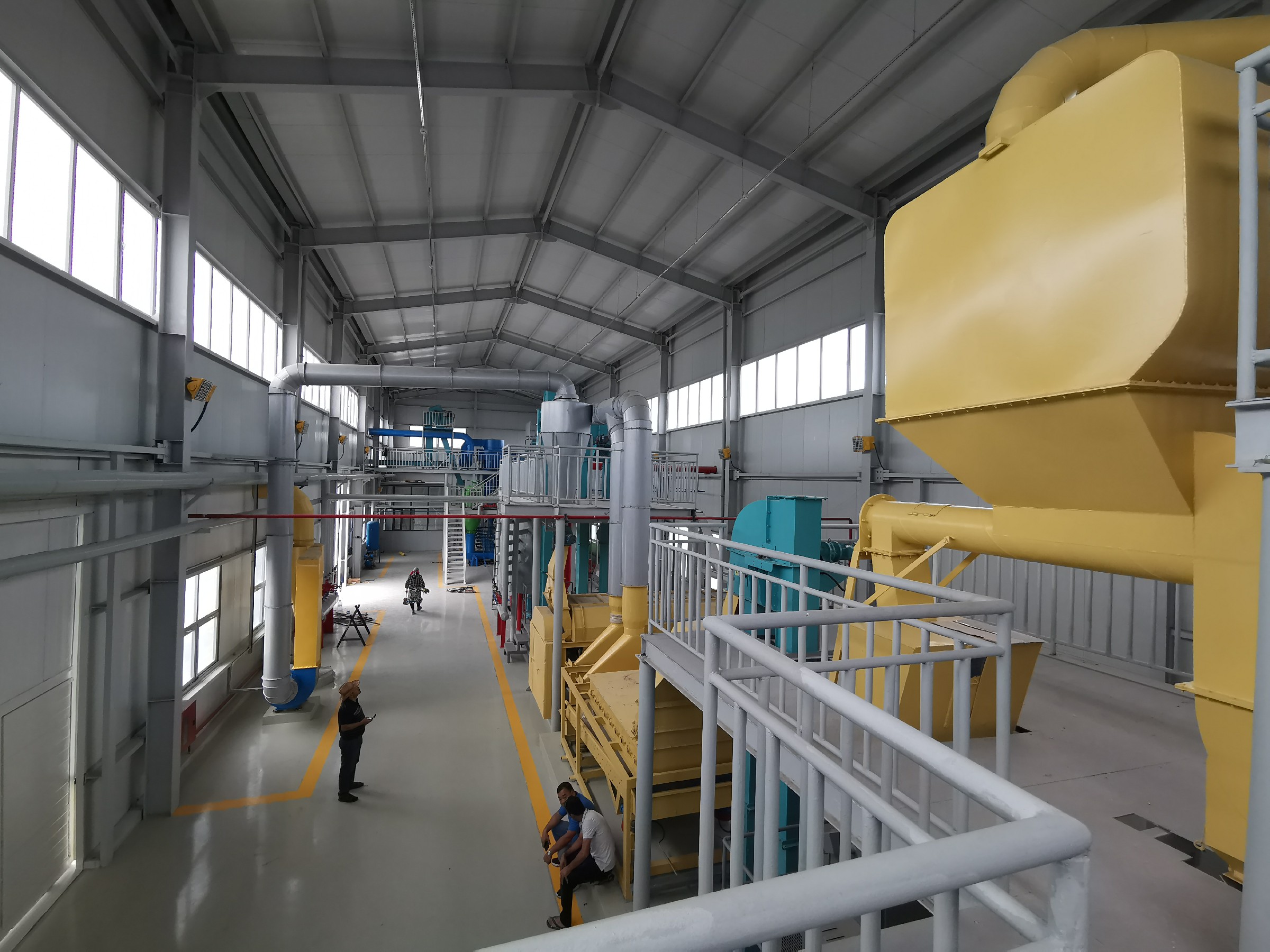
In conclusion, choosing and operating a fully automatic soybean oil press requires careful consideration of various factors. The Penguin Group's equipment offers a reliable solution for small and medium - sized oil mills. By following the guidelines in this article, you can avoid common mistakes and achieve green and efficient production.
Choose Penguin Group and start a new era of green and efficient soybean oil pressing!


.png?x-oss-process=image/resize,h_100,m_lfit/format,webp)
.png?x-oss-process=image/resize,h_100,m_lfit/format,webp)
.png?x-oss-process=image/resize,h_100,m_lfit/format,webp)