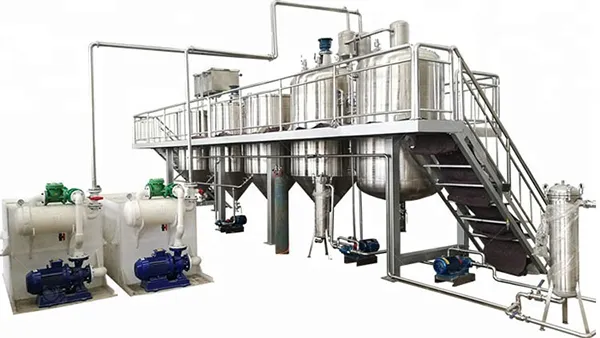
Imagine pulling a batch of cookies from the oven—golden, crisp, and perfectly textured. Now imagine those same cookies turning stale within three days, developing an off-flavor, or hardening into something unrecognizable. The culprit? Often the quality of oil in your recipe. In commercial baking, where consistency and shelf life directly impact profitability, choosing the right oil isn't just a culinary decision—it's a business critical one.
Walk into any commercial bakery, and you'll witness the same challenges: products that don't hold their shape, inconsistent texture across batches, and保质期 (shelf life) that falls short of customer expectations. According to industry data, bakeries lose approximately 8-12% of revenue due to product spoilage and quality issues directly related to ingredient performance.
Industry Insight:
A leading European bakery chain reduced product returns by 37% and extended shelf life by 45% after optimizing their oil selection process, according to a 2022 report by the International Baking Industry Exposition.
Many bakeries focus on obvious factors like cost per liter or smoke point, but overlook the critical role of free fatty acid (FFA) content in determining oil performance. This oversight leads to products that fail to meet quality standards and consumer expectations.
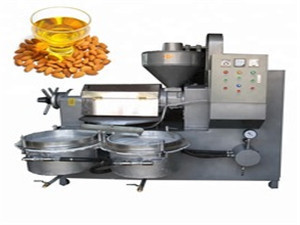
Free fatty acids are natural components of oils, but their concentration directly affects performance. Oils with high FFA content (>0.5mg KOH/g) oxidize faster, leading to:
Refined soybean oil with low FFA content (<0.3mg KOH/g) offers superior oxidative stability, maintaining product freshness and texture for significantly longer periods. This stability translates directly to reduced waste, fewer customer complaints, and more predictable production processes.
Acid Value (AV)
Measures FFA content. Look for <0.3mg KOH/g for optimal baking performance. Oils with AV >0.5mg KOH/g show significantly reduced stability.
Peroxide Value (PV)
Indicates oxidation level. Fresh oil should have <5 meq/kg. Values above 10 meq/kg often correlate with off-flavors.
Iodine Value (IV)
Measures unsaturation. For baking, oils with IV between 120-140 offer the best balance of stability and functionality.

Not all baked goods have the same oil requirements. Understanding how low FFA soybean oil performs across categories will help you optimize both quality and cost:
For crisp, shelf-stable cookies, low FFA oil is transformative. It maintains consistent spread during baking and resists hardening. In controlled tests, cookies made with low FFA oil (<0.3mg KOH/g) retained consumer-preferred texture for 7-10 days, compared to just 3-4 days with standard oils.
Cake formulations benefit from the balanced functionality of low FFA soybean oil. It provides superior crumb structure, uniform rise, and maintains moisture without developing a greasy mouthfeel. Bakeries report 20-30% reduction in staling rates when switching to properly refined low FFA oil.
The temperature stability of low FFA oil makes it ideal for laminated doughs. It resists breaking during sheeting and maintains layer separation during baking, resulting in flakier products with better structure retention.
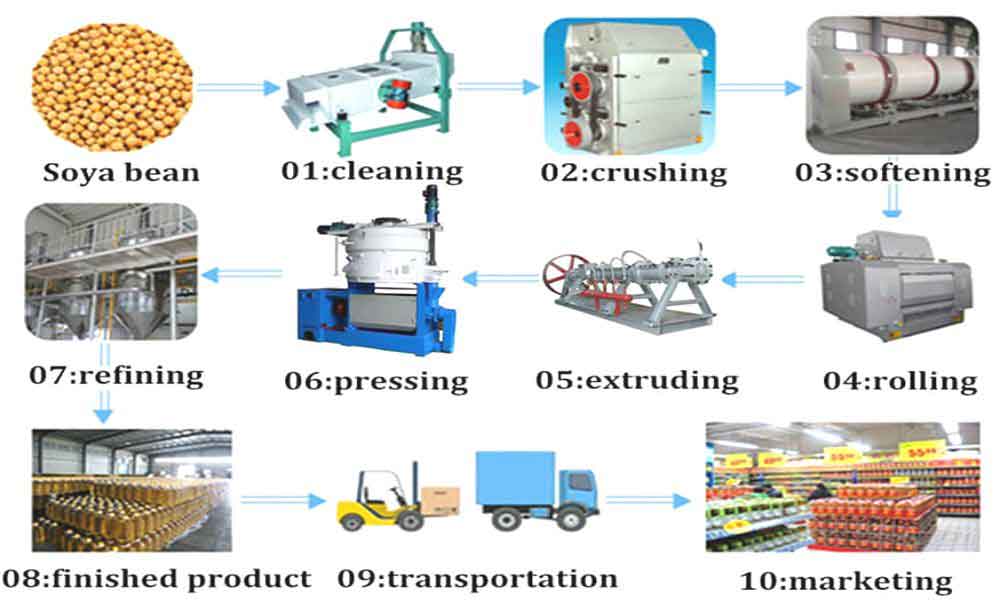
Transitioning to low FFA oil requires more than just changing suppliers—it demands a systematic approach:
Common Pitfalls to Avoid:
When properly implemented, low FFA refined soybean oil typically provides ROI within 3-6 months through reduced waste, fewer customer returns, and improved production efficiency. The key is establishing clear quality specifications with your supplier and implementing regular testing protocols.
Discover how our ultra-refined low FFA soybean oil can help you achieve consistent texture, extended shelf life, and reduced production costs.
Request Your Free Technical ConsultationOur food scientists will analyze your specific application and provide tailored recommendations for optimal results.
Remember, in commercial baking, every ingredient choice impacts your bottom line. By prioritizing low free fatty acid content in your oil selection, you're not just improving product quality—you're investing in the long-term success and profitability of your business. The difference between average and exceptional baked goods often comes down to these critical technical details that separate industry leaders from the competition.
 animal feed meal solvent extraction equipment
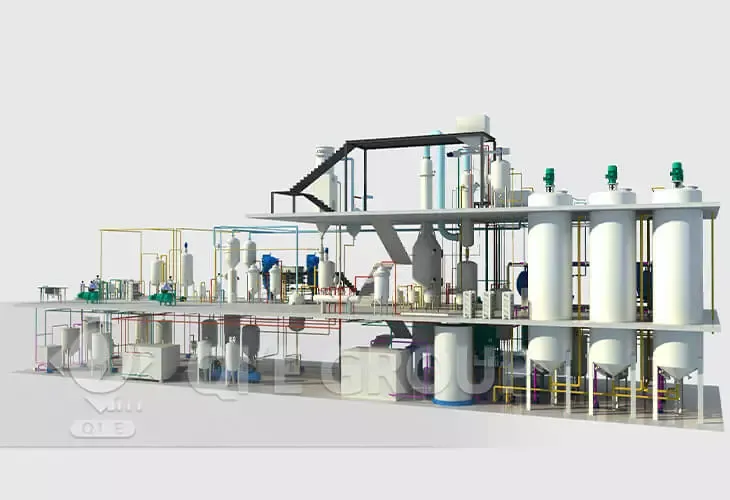
soybean oil solvent extraction unit
solvent extraction equipment commissioning
soybean meal oil content control
equipment operation training
continuous oil press line
automated filtration system
intelligent control system
small and medium oil mill
oil extraction efficiency
soybean oil yield improvement
automatic filtration press machine
small oil mill optimization
cold pressing vs hot pressing
crude oil purity enhancement
energy-saving soybean oil refining machine
green transformation of grain and oil processing equipment
soybean oil deacidification and degumming technology
energy-efficient oil processing solutions
sustainable edible oil production
Continuous pressing equipment
Filtration system
Soybean oil press
Comprehensive oil extraction rate improvement
Intelligent control system
animal feed meal solvent extraction equipment
soybean oil solvent extraction unit
solvent extraction equipment commissioning
soybean meal oil content control
equipment operation training
continuous oil press line
automated filtration system
intelligent control system
small and medium oil mill
oil extraction efficiency
soybean oil yield improvement
automatic filtration press machine
small oil mill optimization
cold pressing vs hot pressing
crude oil purity enhancement
energy-saving soybean oil refining machine
green transformation of grain and oil processing equipment
soybean oil deacidification and degumming technology
energy-efficient oil processing solutions
sustainable edible oil production
Continuous pressing equipment
Filtration system
Soybean oil press
Comprehensive oil extraction rate improvement
Intelligent control system






.png?x-oss-process=image/resize,h_100,m_lfit/format,webp)
.png?x-oss-process=image/resize,h_100,m_lfit/format,webp)
.png?x-oss-process=image/resize,h_100,m_lfit/format,webp)


.jpg?x-oss-process=image/resize,h_800,m_lfit/format,webp)