As a bakery professional, you know the frustration: perfectly crafted cookies that lose their crunch after just a few days, or cakes that develop off-flavors before reaching store shelves. What if the solution lies in an ingredient you might be overlooking?
Most bakeries focus on flour quality and sweeteners, but the oil you choose forms the foundation of your product's texture and shelf life. The key指标? Free Fatty Acid (FFA) content. Oils with high FFA levels—typically above 0.5mg KOH/g—oxidize up to 300% faster than properly refined alternatives, directly impacting your bottom line through:
When evaluating oil quality, two critical metrics demand your attention:
Measures free fatty acid content. For premium baking applications, look for AV ≤ 0.3mg KOH/g. This ensures minimal hydrolysis during baking and storage.
Indicates oxidation level. Optimal values should remain below 5 meq/kg at time of use. Oils exceeding 10 meq/kg will likely produce off-flavors within days.
Our laboratory tests with leading bakery brands confirm that switching to low FFA refined soybean oil (AV ≤ 0.3) resulted in:
"We reduced our cookie return rate by 47% and extended shelf life from 7 to 14 days after implementing strict FFA controls in our oil sourcing." — Quality Control Manager, Regional Bakery Chain
Different baked goods have unique oil requirements. Here's how to optimize your formulations:
| Product Type | Recommended FFA Level | Key Benefit |
|---|---|---|
| Crispy Cookies | ≤ 0.3 mg KOH/g | Extended crunch retention |
| Layer Cakes | ≤ 0.4 mg KOH/g | Improved crumb structure stability |
| Puff Pastry | ≤ 0.2 mg KOH/g | Enhanced layer separation and flakiness |
| Biscotti & Dry Goods | ≤ 0.3 mg KOH/g | Maximum shelf life extension |
The initial cost savings of lower-grade oil disappear when accounting for:
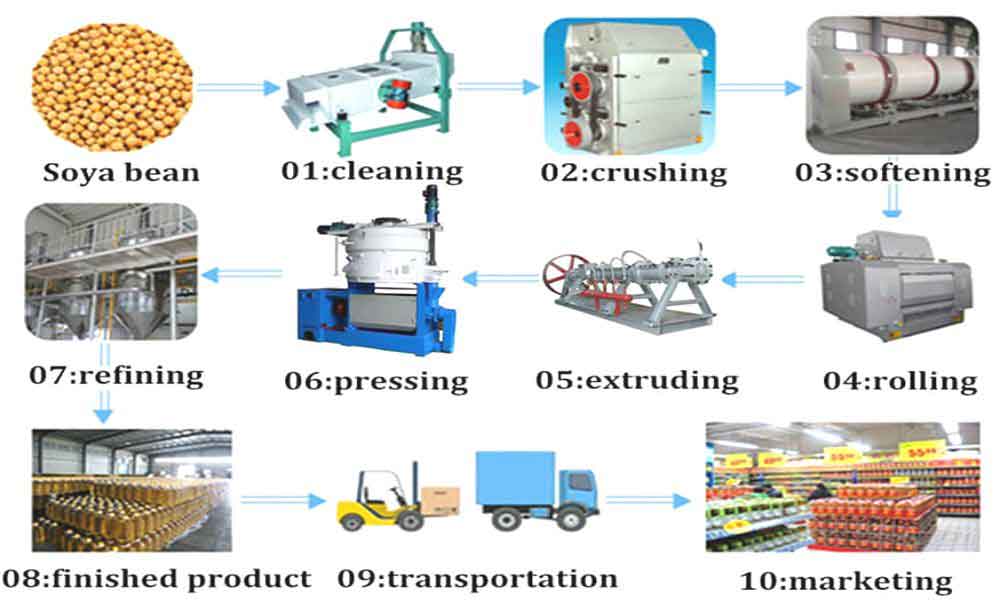
Not all soybean oil is created equal for baking applications. The refining process matters significantly. Our research with commercial bakeries shows that investing in premium low FFA oil typically yields a 12-18% return through reduced waste and improved product consistency.
Successfully implementing low FFA oil requires more than just switching suppliers. Based on our work with over 100 commercial bakeries, follow these practical steps:
Have you experienced quality issues related to oil oxidation in your bakery? What solutions have worked for you? Share your experiences in the comments section below.
Discover how our ultra-refined low FFA soybean oil can help you achieve consistent texture, extended shelf life, and reduced production waste.
Request Your Sample & Technical ConsultationNote: Always conduct small-batch trials when implementing new ingredients. Shelf life results may vary based on specific formulations, production processes, and storage conditions.
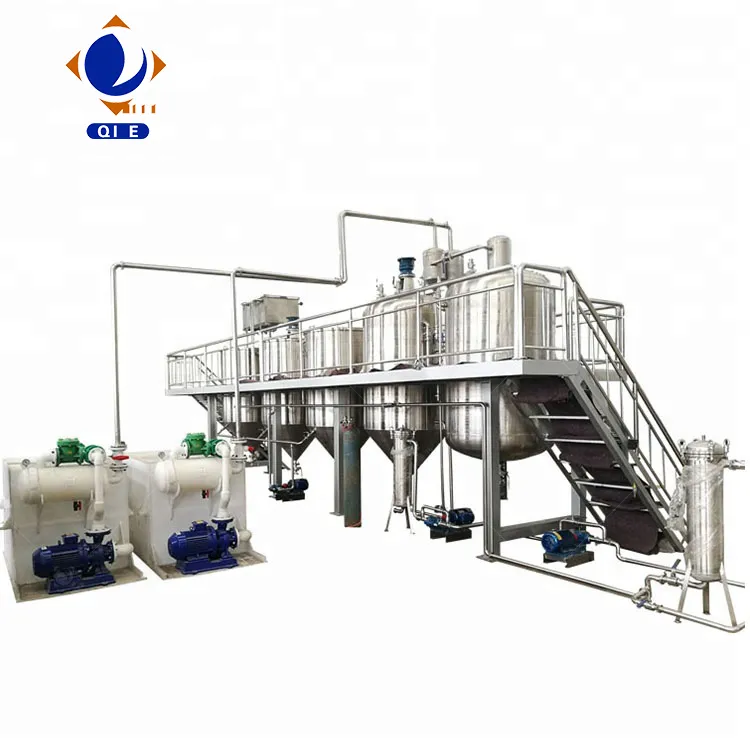
 soybean oil refining equipment
energy-saving operation techniques
304 stainless steel equipment
modular design
food safety certification
soybean oil refining process
neutralization heat recovery
energy efficiency in oil processing
food safety compliance
oil refining equipment optimization
solvent recovery system for animal feed meal
soybean oil extraction equipment
desolventizing equipment
energy-efficient feed processing
solvent recycling technology
soybean oil refining process
degumming equipment for edible oil
deodorization odor control
small oil plant optimization
emission compliance in food processing
soybean oil refining
de-gumming process optimization
deodorization technology
edible oil quality improvement
oil processing equipment
soybean oil refining equipment
energy-saving operation techniques
304 stainless steel equipment
modular design
food safety certification
soybean oil refining process
neutralization heat recovery
energy efficiency in oil processing
food safety compliance
oil refining equipment optimization
solvent recovery system for animal feed meal
soybean oil extraction equipment
desolventizing equipment
energy-efficient feed processing
solvent recycling technology
soybean oil refining process
degumming equipment for edible oil
deodorization odor control
small oil plant optimization
emission compliance in food processing
soybean oil refining
de-gumming process optimization
deodorization technology
edible oil quality improvement
oil processing equipment








.png?x-oss-process=image/resize,h_100,m_lfit/format,webp)
.png?x-oss-process=image/resize,h_100,m_lfit/format,webp)
.png?x-oss-process=image/resize,h_100,m_lfit/format,webp)