In the competitive landscape of commercial baking, where product consistency, shelf life, and sensory appeal directly impact profitability, the choice of baking fats serves as a critical determinant of success. Among the various options available to food manufacturers and artisanal bakers alike, low free fatty acid (FFA) refined soybean oil has emerged as a transformative ingredient, offering a unique combination of functional benefits and cost efficiency that addresses key industry challenges.
Free fatty acids, naturally occurring components in all vegetable oils, represent a double-edged sword in baking applications. While they are inherent to oil composition, excessive levels—typically above 0.2% in conventional oils—can trigger a cascade of production and quality issues that directly affect bottom-line results.
These challenges are magnified in large-scale production environments where consistency and extended shelf life are non-negotiable. A leading European bakery chain recently reported reducing product waste by 28% simply by switching to low FFA oil, highlighting the tangible economic impact of this often-overlooked quality parameter.
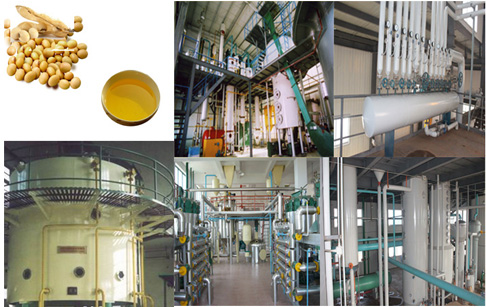
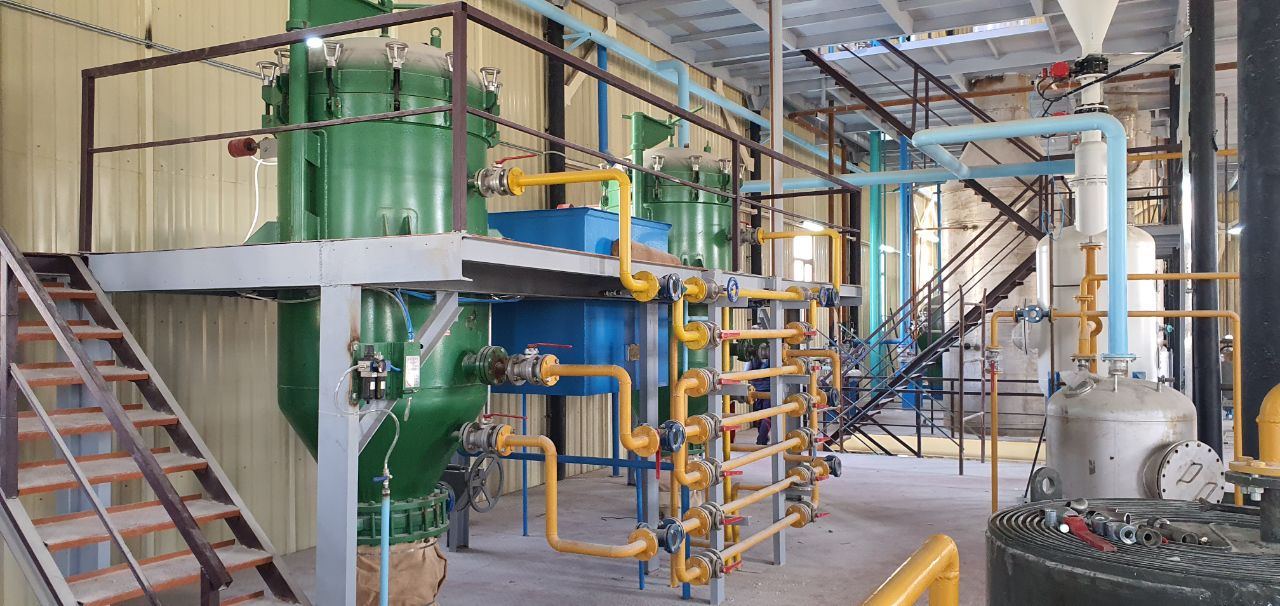
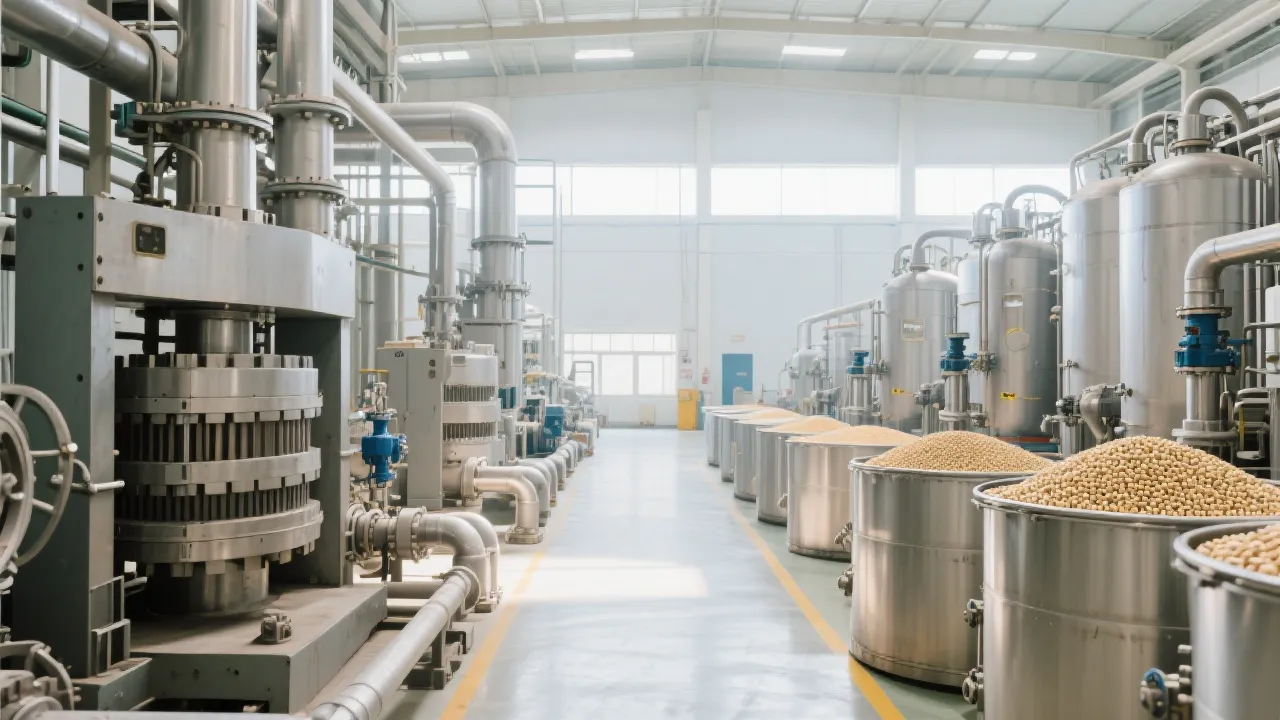
Achieving the exceptional quality of low FFA soybean oil requires a sophisticated, multi-stage refining process that systematically removes impurities while preserving the oil's natural beneficial properties. This精密工艺 (precision process) transforms crude soybean oil into a baking ingredient that consistently delivers superior performance.
Removes phospholipids and胶质 materials that can cause foaming and poor stability, typically reducing impurities by 92-95%.
Chemically reduces free fatty acids to ≤0.1% through controlled alkaline treatment, the critical step in FFA reduction.
Uses specialized adsorbents to remove color pigments, oxidation products, and remaining impurities, resulting in a clear, stable base.
Applies high-temperature vacuum processing to eliminate volatile compounds, ensuring neutral flavor and extended stability.
The result of this meticulous process is an oil with free fatty acid levels consistently maintained below 0.1%—a benchmark that delivers measurable performance advantages in real-world baking applications. This level of refinement represents a 50-80% reduction compared to standard commercial oils, translating directly to improved product quality and reduced operational challenges.
Low FFA refined soybean oil brings a suite of functional benefits that address specific pain points in baking operations, from production efficiency to end-product quality. These advantages stem directly from the oil's unique chemical and physical properties, honed through the advanced refining process.
These properties collectively contribute to a more predictable production process with fewer quality control issues. A recent study conducted by the Institute of Food Technologists found that bakeries using low FFA oil experienced 37% fewer production interruptions related to oil quality issues, along with a 22% reduction in product rejects due to inconsistent texture or appearance.
The practical benefits of low FFA refined soybean oil manifest across various baking categories, delivering measurable improvements that resonate with both producers and consumers:
A regional bakery specializing in sourdough products switched to low FFA oil and documented the following improvements over a 3-month period:
In today's complex global supply chain, quality assurance is paramount. Reputable low FFA refined soybean oil producers implement comprehensive quality management systems that ensure consistency, safety, and compliance with international standards.
Look for suppliers with ISO 9001 certification, which demonstrates a commitment to quality management systems, along with food safety certifications such as HACCP and FSSAI. These certifications provide independent verification that the oil meets stringent quality criteria throughout the production process.
A: Low FFA oil typically improves dough extensibility by 15-20% while maintaining optimal elasticity, resulting in better machinability and more uniform product dimensions. This is particularly beneficial in automated production lines.
A: In most applications, yes. It can replace conventional soybean oil, canola oil, and even partially hydrogenated oils with minimal formulation adjustments. We recommend conducting small-batch trials when switching from specialty fats like palm oil or shortening.
A: Store in a cool (15-25°C), dry location away from direct sunlight. Properly stored, the oil maintains its quality for 12 months from production date. Always follow first-in, first-out (FIFO) inventory practices.
A: Yes. It typically contains 60-65% polyunsaturated fatty acids, 22-25% monounsaturated fatty acids, and only 10-15% saturated fatty acids, supporting healthier product formulations. It's also trans fat-free and contains natural vitamin E.
Experience the difference that low free fatty acid refined soybean oil can make in your products. Our technical team can help you optimize formulations, address specific production challenges, and calculate potential cost savings.
Request Your Free Technical Consultation & SampleOur food technologists are ready to help you achieve superior product quality and operational efficiency.
The information provided in this article is based on industry research and practical applications. Individual results may vary based on specific formulations, production processes, and product requirements. Always conduct appropriate testing when implementing new ingredients in your production.
 soybean oil extraction efficiency
automatic filter press for oil mills
cold press vs hot press soybean oil
small oil mill process optimization
oil yield improvement technology
Soybean oil solvent extraction equipment design guide
Soybean meal oil content control technology
Solvent recovery system optimization
Animal feed meal processing technology
Hexane solvent recycling
continuous oil press machine
automatic filtration press
small oil mill upgrade
intelligent oil pressing system
high yield oil extraction
soybean oil extraction efficiency
automatic filtration press
continuous oil pressing system
smart control for oil mills
small oil plant optimization
baking oil selection
low free fatty acid soybean oil
food grade refined soybean oil
baking oil quality
export food processing oil
soybean oil extraction efficiency
automatic filter press for oil mills
cold press vs hot press soybean oil
small oil mill process optimization
oil yield improvement technology
Soybean oil solvent extraction equipment design guide
Soybean meal oil content control technology
Solvent recovery system optimization
Animal feed meal processing technology
Hexane solvent recycling
continuous oil press machine
automatic filtration press
small oil mill upgrade
intelligent oil pressing system
high yield oil extraction
soybean oil extraction efficiency
automatic filtration press
continuous oil pressing system
smart control for oil mills
small oil plant optimization
baking oil selection
low free fatty acid soybean oil
food grade refined soybean oil
baking oil quality
export food processing oil





.png?x-oss-process=image/resize,h_100,m_lfit/format,webp)
.png?x-oss-process=image/resize,h_100,m_lfit/format,webp)
.png?x-oss-process=image/resize,h_100,m_lfit/format,webp)
.jpg?x-oss-process=image/resize,h_800,m_lfit/format,webp)