For commercial bakers, the choice of cooking oil is far more critical than many realize. A seemingly minor decision can mean the difference between consistent, high-quality products and costly production issues that damage your brand reputation. One ingredient that often gets overlooked in this equation is the quality of refined soybean oil—a staple in many commercial bakeries worldwide.
Walk into any commercial bakery, and you'll likely find shelves lined with various oils and fats. But not all oils are created equal, especially when it comes to high-temperature baking applications. Many bakery owners and production managers struggle with persistent issues like unexpected burnt flavors, inconsistent texture, and shortened shelf life—problems that can often be traced back to oil quality.
Industry Insight:
According to a 2023 survey by the American Society of Baking, 68% of bakery production issues related to flavor inconsistencies could be attributed to oil quality parameters rather than recipe formulation.
Among the various quality parameters that define oil suitability for baking, acid value stands out as perhaps the most important. This measurement indicates the level of free fatty acids present in the oil, directly impacting both performance and flavor.
For optimal baking results, industry standards recommend an acid value of less than 0.15 mg KOH/g. Oils exceeding 0.25 mg KOH/g typically exhibit reduced thermal stability and are more prone to oxidation, which manifests as that unpleasant burnt or rancid flavor in finished products.
While often overlooked, moisture content in refined soybean oil plays a crucial role in baking performance. Even small amounts of water can cause significant issues during high-temperature baking processes.
Ideally, food-grade refined soybean oil should contain less than 0.05% moisture. Excess moisture can lead to splattering during heating, inconsistent browning, and reduced shelf life of both the oil and finished products. It also promotes hydrolysis, which increases free fatty acids and accelerates rancidity.
While color might seem like a purely aesthetic consideration, it actually serves as a reliable indicator of refinement quality in soybean oil. High-quality refined soybean oil should exhibit a pale yellow to nearly colorless appearance with excellent clarity.
Oils with darker coloration often contain higher levels of impurities and residual components that can affect both flavor stability and performance characteristics. The industry standard for premium baking oils typically specifies a Lovibond color rating of less than 3.0 red, measured using a 1-inch cell.
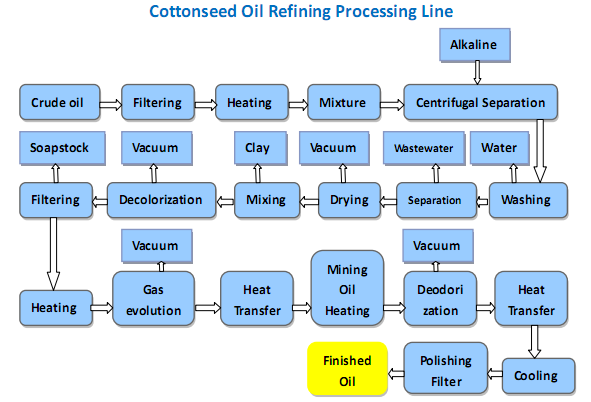
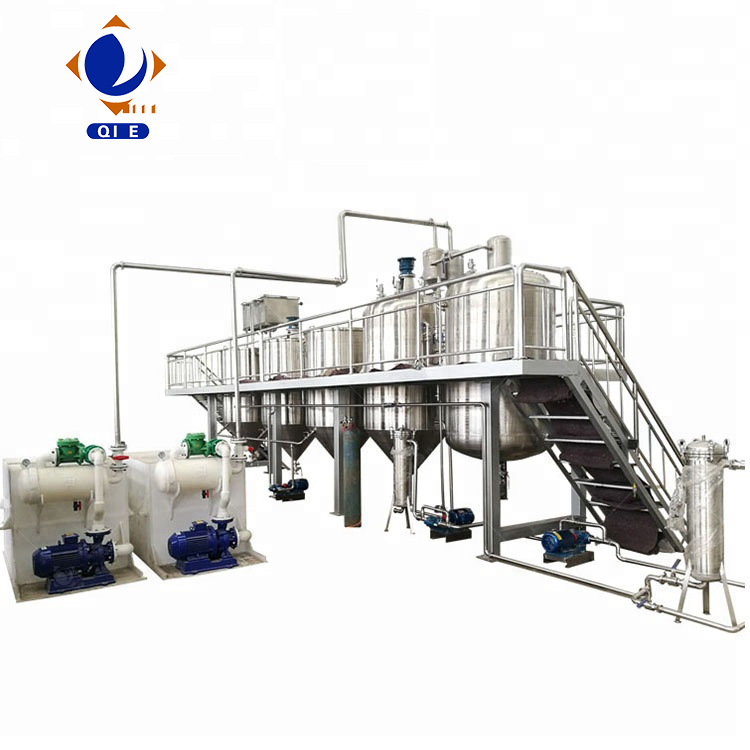
Not all refining processes are created equal when it comes to producing soybean oil optimized for baking applications. The most reliable oils for commercial baking undergo a rigorous multi-stage refining process that goes beyond basic purification.
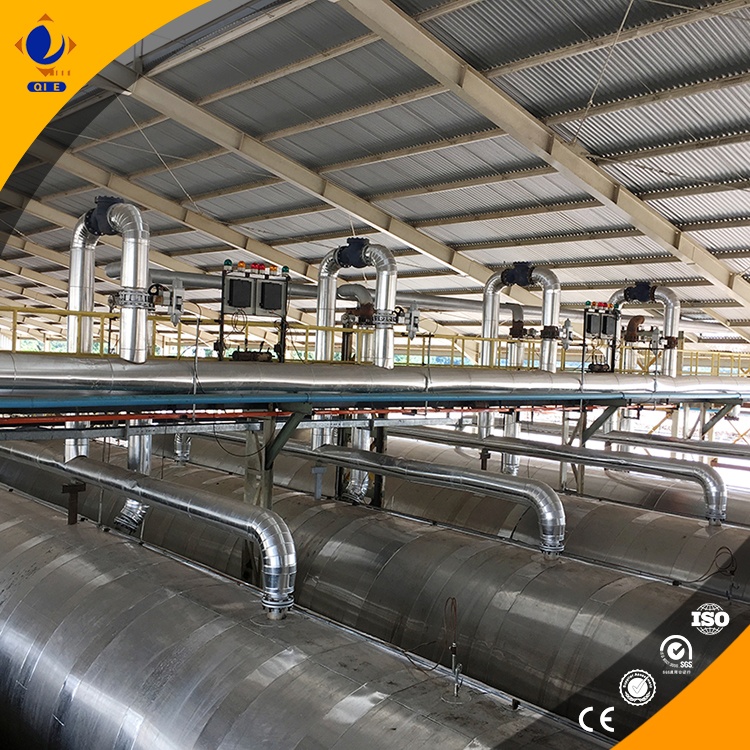
This specialized process typically includes degumming, neutralization, bleaching, and deodorization steps, each carefully controlled to remove specific impurities while preserving the oil's beneficial properties. The result is an oil with exceptionally low free fatty acids, minimal moisture content, and superior thermal stability—exactly what commercial bakers need for consistent results.
Understanding oil quality parameters is only the first step. Translating this knowledge into consistent production outcomes requires implementing robust quality control measures and supplier qualification protocols.
Bakery operations should establish clear specifications for incoming oil shipments, including maximum allowable acid value, moisture content, and peroxide value. Implementing a regular testing schedule—both through supplier documentation review and independent laboratory analysis—helps ensure ongoing compliance with these standards.
Additionally, storage conditions play a critical role in maintaining oil quality. Oils should be stored in cool, dark environments and used within recommended shelf life parameters. Proper rotation practices ensure that older oils are used first, minimizing the risk of using product that has degraded in storage.
Download our comprehensive technical白皮书 on "Optimizing Baking Performance Through Oil Quality" and discover how precise oil selection can transform your production outcomes.
Get Your Free Technical Guide NowOur team of food technologists is also available for personalized consultations to address your specific baking challenges.
In the competitive world of commercial baking, consistency is everything. By paying close attention to the quality parameters of your soybean oil and implementing proper quality control measures, you can eliminate common flavor and texture issues, reduce waste, and deliver products that keep customers coming back. The difference between good and exceptional baked goods often starts with the right oil choice.
 soybean oil yield improvement
automatic filter press for oil extraction
small oil mill process optimization
cold press vs hot press oil production
oil extraction efficiency enhancement
Soybean oil yield improvement
Automatic filtration press
Process optimization for small and medium-sized oil mills
Crude oil purity
Residual oil rate control
soybean oil refining equipment
modular design technology
installation cost reduction
energy-efficient refining equipment
grain and oil processing plant
solvent extraction method
animal feed meal
soybean meal oil content
oil extraction technology
solvent recovery and utilization
Continuous pressing equipment
Automatic filtration system
Soybean oil extraction rate
Intelligent control
Small and medium-sized grain and oil enterprises
soybean oil yield improvement
automatic filter press for oil extraction
small oil mill process optimization
cold press vs hot press oil production
oil extraction efficiency enhancement
Soybean oil yield improvement
Automatic filtration press
Process optimization for small and medium-sized oil mills
Crude oil purity
Residual oil rate control
soybean oil refining equipment
modular design technology
installation cost reduction
energy-efficient refining equipment
grain and oil processing plant
solvent extraction method
animal feed meal
soybean meal oil content
oil extraction technology
solvent recovery and utilization
Continuous pressing equipment
Automatic filtration system
Soybean oil extraction rate
Intelligent control
Small and medium-sized grain and oil enterprises






.png?x-oss-process=image/resize,h_100,m_lfit/format,webp)
.png?x-oss-process=image/resize,h_100,m_lfit/format,webp)
.png?x-oss-process=image/resize,h_100,m_lfit/format,webp)