
.jpg?x-oss-process=image/resize,h_3000,m_lfit/format,webp)
For small-scale processors in emerging markets like Southeast Asia and Africa, achieving high oil yield while maintaining product quality is often a challenging balance. Many operators struggle with inconsistent results, excessive manual labor, and inefficient energy use. However, with the right automated equipment and parameter optimization, small-scale soybean oil processing can become both profitable and sustainable. This guide explores the critical factors that influence oil extraction efficiency and provides practical solutions for operators looking to upgrade their operations.
Modern automated soybean oil processing systems integrate five key stages that work together to maximize yield and quality. Each stage requires precise control to ensure optimal results:
The transition from traditional manual processing to automated systems allows for precise control of critical parameters that directly affect oil yield. Let's examine each parameter and its optimal range:
.jpg)
The ideal particle size for soybean crushing is between 2-3mm. Research shows that particles smaller than 1mm can lead to excessive fines that clog the press, while particles larger than 4mm reduce surface area and oil release. Optimal particle size can increase yield by 3-5% compared to inconsistent crushing.
Soybeans require careful roasting to reach the ideal moisture content (around 6-8%) and activate oil release. The optimal temperature range is 120-140°C with a roasting time of 15-20 minutes. Temperatures above 160°C can cause oil degradation and reduce nutritional value, while insufficient roasting below 110°C results in lower yield.
Hydraulic and screw presses operate most efficiently at pressures between 25-35 MPa. The pressing speed should be adjusted to allow 3-5 minutes of residence time in the press chamber. Modern automated presses from companies like 企鹅集团 (Penguin Group) feature intelligent pressure control systems that maintain optimal pressure throughout the extraction cycle, reducing residual oil in the cake to below 6%.
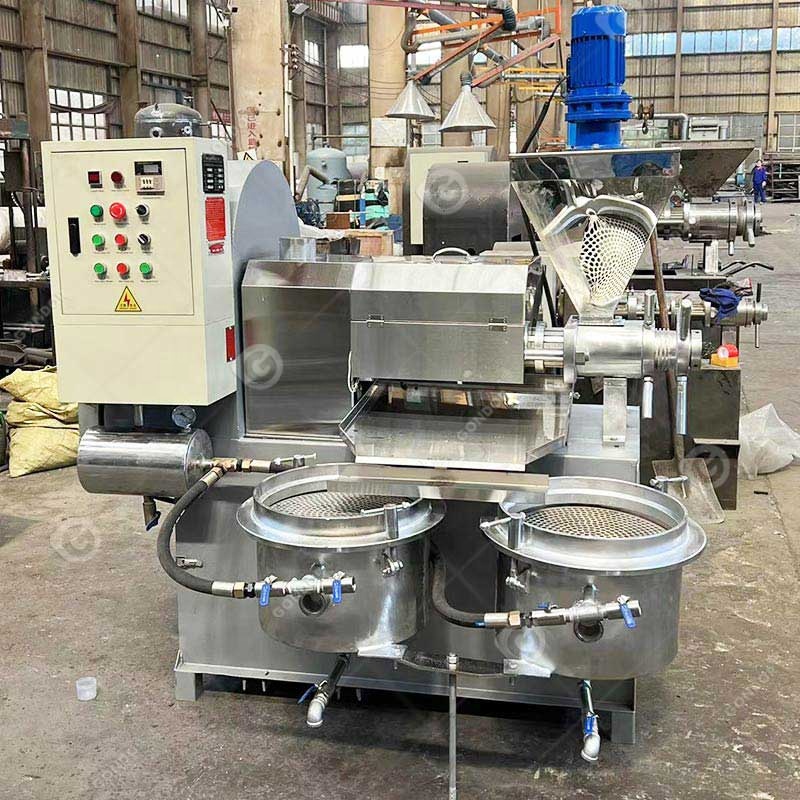
A small-scale processor in Indonesia recently upgraded from manual processing to an automated system, implementing the parameter optimizations discussed. The results were striking:
Even with automated equipment, operators often face specific challenges. Here are practical solutions to the most common issues:
Soybean moisture content and quality can vary significantly between batches. Implementing a pre-cleaning system with moisture testing allows for adjustment of roasting time and temperature to maintain consistent processing conditions.
Regular maintenance is critical for sustained performance. Establish a preventive maintenance schedule including daily checks of press rollers, weekly lubrication of moving parts, and monthly calibration of temperature sensors.
.jpg)
Small-scale processors often operate in areas with high energy costs or unreliable power supplies. Energy-efficient equipment with heat recovery systems can reduce energy consumption by 20-30%. Additionally, proper insulation of roasting and pressing equipment minimizes heat loss and reduces processing time.
Discover how 企鹅集团 (Penguin Group)'s automated soybean oil processing solutions can help you achieve higher yields, better quality, and lower operating costs.
Get Your Custom Processing Solution NowBy implementing these optimized parameters and investing in modern automated equipment, small-scale soybean processors can compete effectively in local and regional markets. The key is to approach processing as a system where each stage contributes to the overall efficiency and quality of the final product. With the right knowledge and equipment, even small operations can achieve consistent, high-quality results that meet market demands and ensure long-term business sustainability.
 solvent extraction process
animal feed粕
soybean oil extraction
oil content reduction
solvent recovery technology
Soybean oil solvent extraction equipment design guide
Soybean meal oil content control technology
Solvent recovery system optimization
Animal feed meal processing technology
Hexane solvent recycling
soybean oil solvent extraction system
solvent recovery optimization
desolventizing equipment
animal feed meal processing
hexane recycling
low free fatty acid soybean oil
refined soybean oil for baking
cookie crispness improvement
food oil oxidative stability
baking shelf life extension
Soybean oil solvent extraction equipment
Solvent recovery device selection
Soybean meal oil content control technology
Animal feed meal processing system design
Hexane solvent recovery
solvent extraction process
animal feed粕
soybean oil extraction
oil content reduction
solvent recovery technology
Soybean oil solvent extraction equipment design guide
Soybean meal oil content control technology
Solvent recovery system optimization
Animal feed meal processing technology
Hexane solvent recycling
soybean oil solvent extraction system
solvent recovery optimization
desolventizing equipment
animal feed meal processing
hexane recycling
low free fatty acid soybean oil
refined soybean oil for baking
cookie crispness improvement
food oil oxidative stability
baking shelf life extension
Soybean oil solvent extraction equipment
Solvent recovery device selection
Soybean meal oil content control technology
Animal feed meal processing system design
Hexane solvent recovery



.jpg?x-oss-process=image/resize,h_800,m_lfit/format,webp)



.png?x-oss-process=image/resize,h_100,m_lfit/format,webp)
.png?x-oss-process=image/resize,h_100,m_lfit/format,webp)
.png?x-oss-process=image/resize,h_100,m_lfit/format,webp)
.jpg?x-oss-process=image/resize,h_800,m_lfit/format,webp)


.jpg?x-oss-process=image/resize,m_fill,h_800,w_800/format,webp)