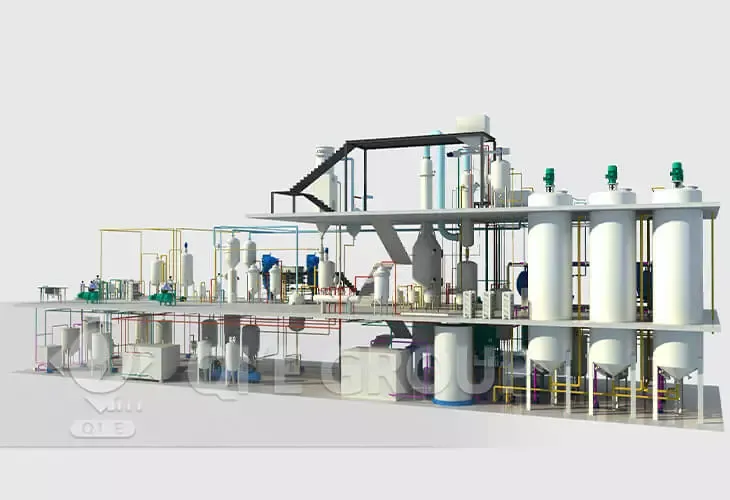
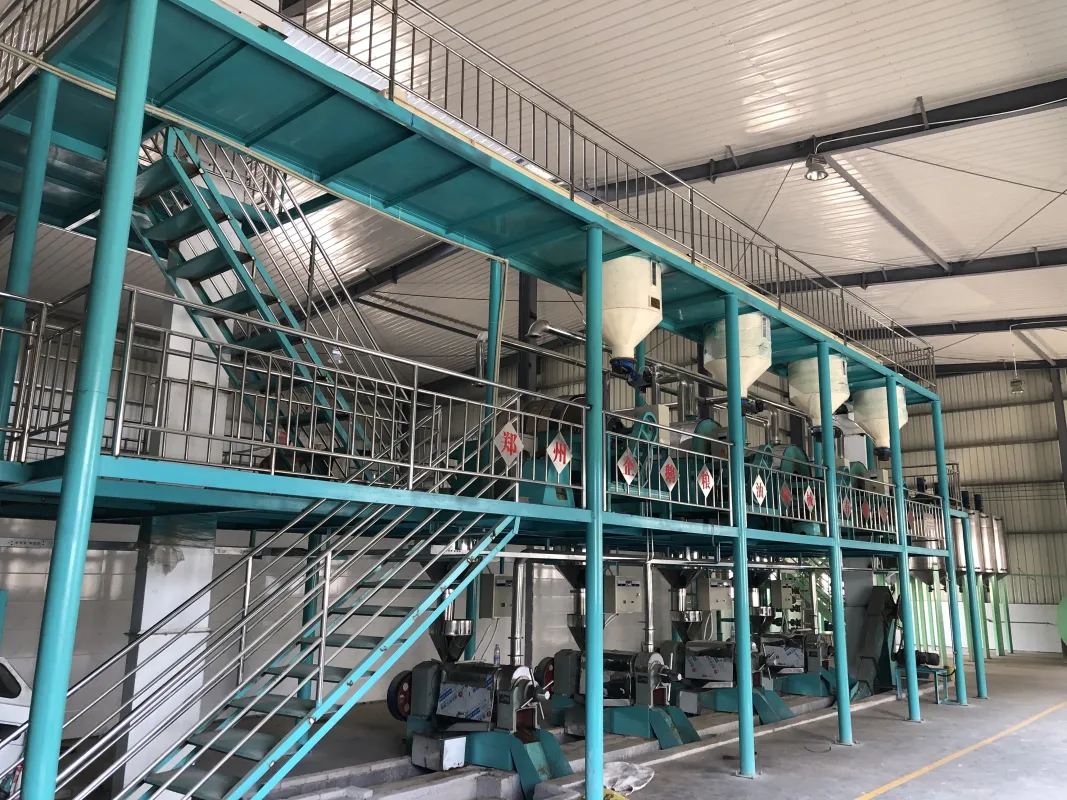
In the competitive global animal feed industry, the quality and efficiency of feed meal production remain critical to profitability and sustainability. Among emerging technologies, the solvent extraction method stands out as a game-changer, offering a superior approach to oil extraction from oilseeds such as soybeans. This technique has been widely adopted across international markets, enabling producers to reduce oil content in soybean meal to as low as 1%-2%, thereby enhancing the feed’s nutritional value and cost-effectiveness.
At the core of solvent extraction lies the strong affinity between solvents—commonly hexane or alternative food-grade solvents—and the oil molecules embedded within oilseeds. The process exploits this affinity to selectively dissolve oil, separating it efficiently from solid materials like soybean meal. During extraction, critical parameters such as solvent-to-meal ratio, temperature, and residence time are meticulously optimized to maximize oil recovery while preserving meal quality.
The efficiency of solvent extraction hinges on controlling several pivotal parameters:
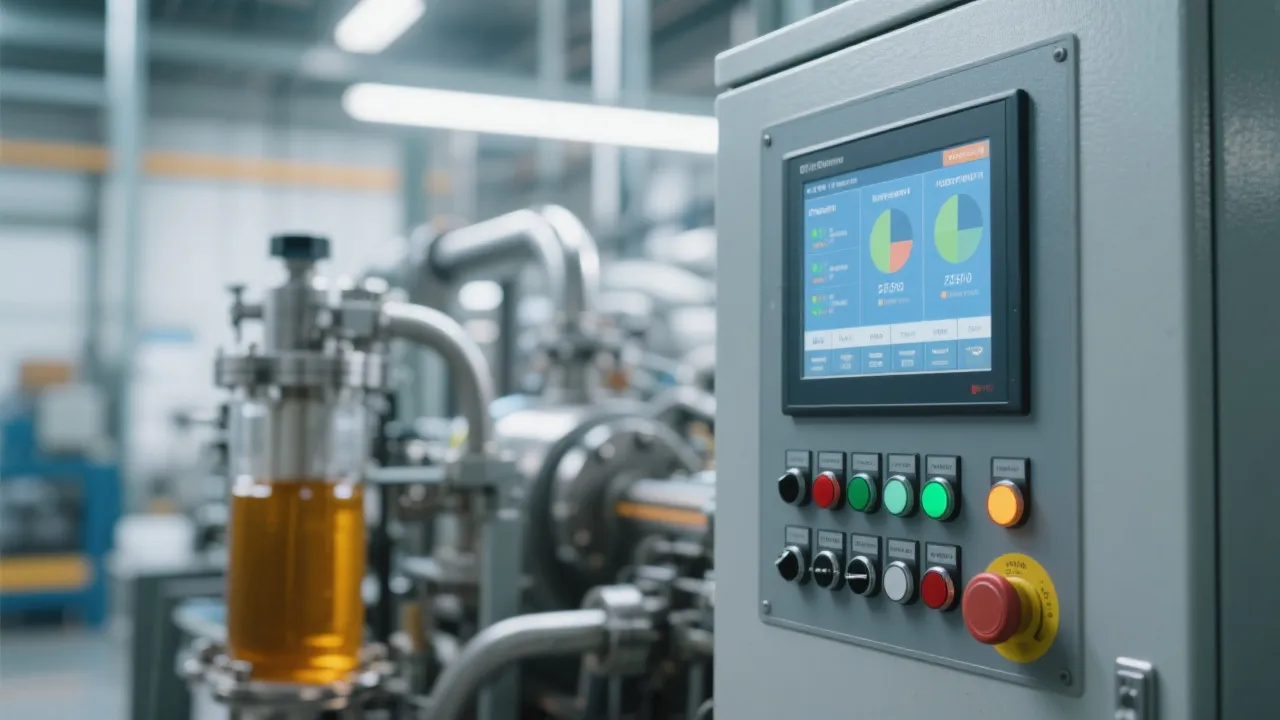
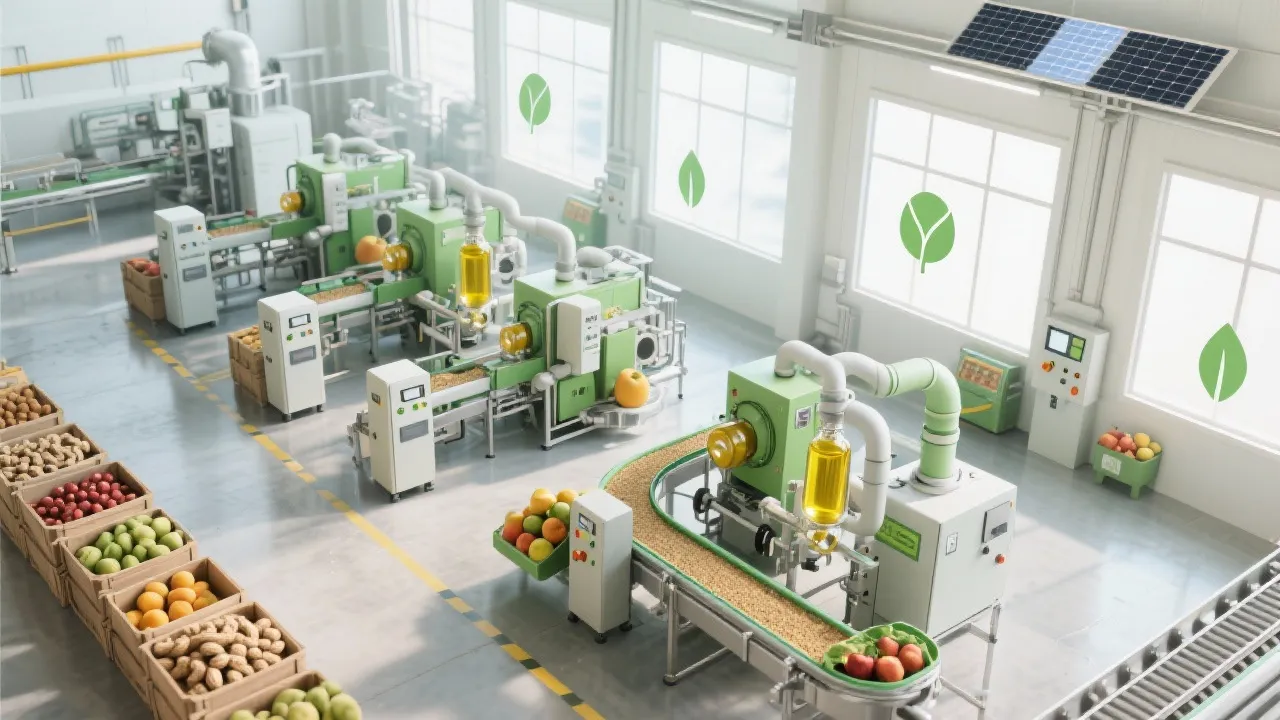
Implementing real-time monitoring and automated control systems further boosts efficiency and consistency, making the process highly scalable for large industrial plants.
Industrial applications of solvent extraction have demonstrated remarkable success in reducing oil residues in soybean meal to a minimal range of 1% to 2%. This outcome surpasses traditional mechanical pressing methods, which often leave 6%-10% oil content. Lower residual oil translates to improved shelf life, better mixing properties in feed formulations, and enhanced protein digestibility for livestock.
Globally renowned feed producers report increased throughput and lower processing costs after integrating solvent extraction, underpinning its industry advantage.
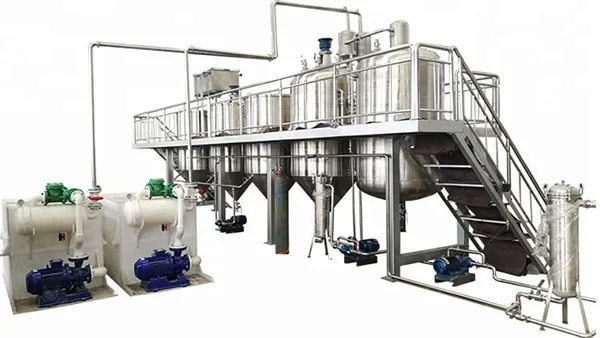
A vital component of sustainable solvent extraction is an effective solvent recovery system, typically utilizing distillation techniques to reclaim up to 99.5% of the solvent. This not only reduces raw material expenses significantly—by an estimated 15%-25%—but also mitigates volatile organic compound (VOC) emissions, aligning production processes with stringent environmental regulations.
Incorporating a closed-loop solvent recovery system helps plants minimize solvent loss and energy consumption, contributing to a reduced carbon footprint—an increasingly crucial factor in international markets sensitive to sustainability.
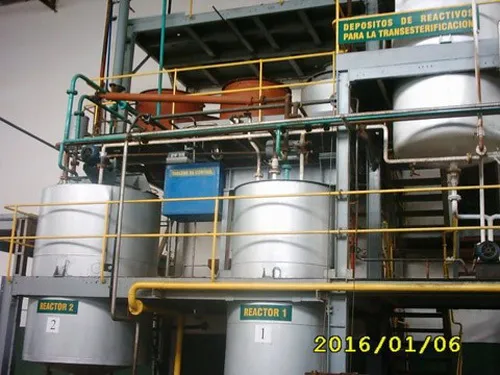
Consider the example of a leading feed manufacturer in Brazil that retrofitted its plant with state-of-the-art solvent extraction equipment. Post-implementation data showed:
Similar success stories across Southeast Asia and Europe highlight the versatility of solvent extraction technology in diverse operational environments, reinforcing its status as a reliable, high-return investment.
Emerging trends in the solvent extraction sector point towards greener solvents, digital process control integration, and enhanced equipment designs that reduce solvent inventory and processing time. R&D efforts focus on bio-based solvents and hybrid extraction systems that may offer even higher efficiencies with minimal environmental impact.
Such innovations pave the way for feed producers to stay ahead in compliance and cost-effectiveness, adapting swiftly to evolving market demands.
Recognizing common challenges such as solvent losses, protein denaturation, and scaling issues, industry leaders provide comprehensive troubleshooting guides and optimization consulting. By leveraging expert insights, operators can fine-tune parameters, thereby boosting yield and product consistency.
Regular training and maintenance support ensure that plants remain at peak performance over their lifecycle.
 solvent extraction optimization
low oil soybean meal
animal feed processing
solvent recovery system
soybean meal oil reduction
Soybean oil solvent extraction equipment design guide
Soybean meal oil content control technology
Solvent recovery system optimization
Animal feed meal processing system
Hexane solvent recycling
soybean oil press machine
automatic oil extraction system
cold press vs hot press
oil yield optimization
small oil mill equipment
Soybean oil press
Continuous pressing production line
Automatic filtration system
Comprehensive oil extraction rate
Intelligent control system
Continuous pressing equipment
Automatic filtration system
Soybean oil extraction rate
Intelligent control
Small and medium-sized grain and oil enterprises
solvent extraction optimization
low oil soybean meal
animal feed processing
solvent recovery system
soybean meal oil reduction
Soybean oil solvent extraction equipment design guide
Soybean meal oil content control technology
Solvent recovery system optimization
Animal feed meal processing system
Hexane solvent recycling
soybean oil press machine
automatic oil extraction system
cold press vs hot press
oil yield optimization
small oil mill equipment
Soybean oil press
Continuous pressing production line
Automatic filtration system
Comprehensive oil extraction rate
Intelligent control system
Continuous pressing equipment
Automatic filtration system
Soybean oil extraction rate
Intelligent control
Small and medium-sized grain and oil enterprises






.png?x-oss-process=image/resize,h_100,m_lfit/format,webp)
.png?x-oss-process=image/resize,h_100,m_lfit/format,webp)
.png?x-oss-process=image/resize,h_100,m_lfit/format,webp)

.jpg?x-oss-process=image/resize,h_800,m_lfit/format,webp)