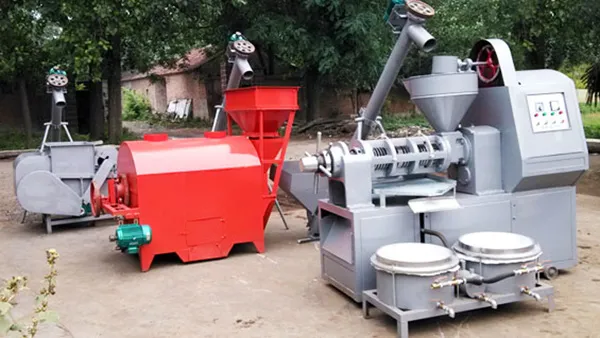
In the competitive world of animal feed production, optimizing raw material efficiency isn’t just a goal—it’s a necessity. One method that consistently delivers measurable improvements in both quality and cost control is solvent extraction, particularly when applied to soybean meal processing.
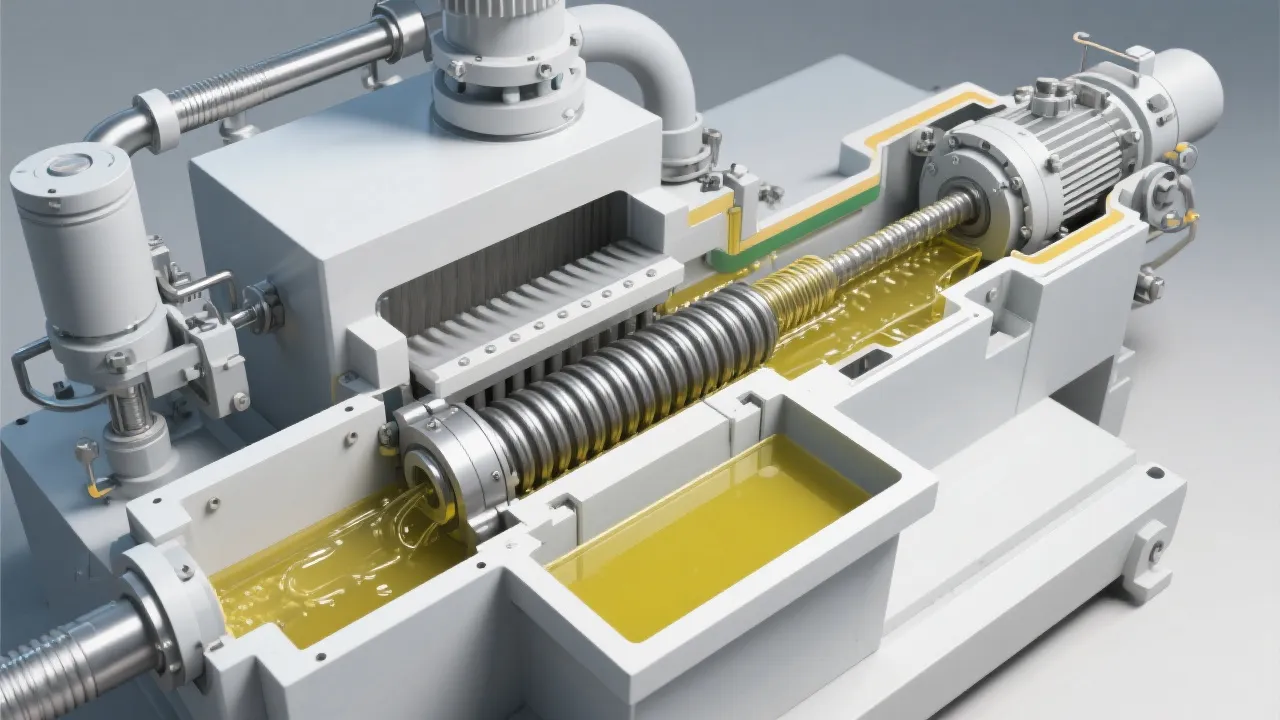
At its core, solvent extraction uses solvents like hexane—a highly selective organic compound—to dissolve and separate oils from oilseed materials such as soybeans. This process achieves an average reduction in residual oil content from around 5–7% (in mechanical pressing) down to just 1–2% in fully extracted meal. That’s not just a number—it means higher protein concentration, better digestibility for livestock, and fewer wasted nutrients.
Hexane’s molecular affinity for triglycerides makes it ideal for this application. According to industry data from the American Oil Chemists’ Society (AOCS), solvent-based systems can extract up to 98% of total oil content within 60–90 minutes under optimal conditions—far surpassing traditional expeller methods which typically achieve only 85–90% efficiency.
Successful implementation hinges on precise control over three critical variables:
Adjusting these parameters based on feedstock moisture and particle size can boost yield by up to 5–7 percentage points while maintaining consistent meal quality—a win-win for processors aiming for profitability and compliance.
A common concern among plant managers is solvent waste. But modern systems now feature closed-loop recovery units that recover >95% of hexane for reuse. In fact, a case study from a major feed mill in Brazil showed that implementing advanced distillation columns reduced solvent consumption by 40% annually—cutting operational costs by ~$120,000/year without compromising safety or output.
This isn't just greenwashing—it's smart economics. With rising regulatory pressure on emissions and waste, solvent recovery has become a key differentiator for sustainable feed producers globally.
💡 Pro Tip: Don’t overlook pre-treatment steps like flaking and conditioning—they can improve extraction uniformity by up to 15%, leading to more predictable results across batches.
One European feed manufacturer reported a 12% increase in crude protein content after switching to solvent extraction, enabling them to command premium pricing in export markets. Another facility in Southeast Asia saw a 20% drop in energy use per ton of meal due to reduced drying requirements post-extraction—a direct benefit of lower oil residue.
These aren’t isolated cases—they’re repeatable outcomes for any producer willing to invest in process optimization.
Our engineered solvent extraction solutions combine proven technology with real-time monitoring tools to ensure consistent performance—and peace of mind.
Explore Our Solvent Extraction Systems Today soybean oil refining equipment
304 stainless steel in food processing
energy-efficient edible oil equipment
modular oil refining systems
food-grade stainless steel components
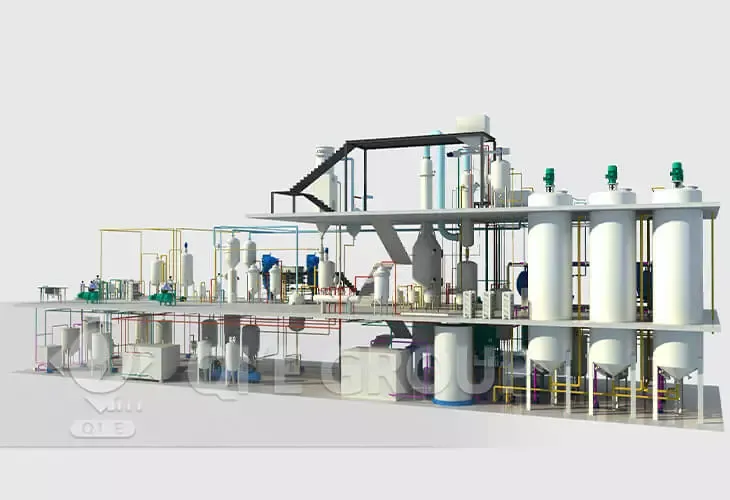
solvent extraction equipment for soybean meal
advanced feed pellet processing
low oil content soybean meal
solvent recovery system
sustainable feed manufacturing
soybean oil refining
neutralization pH optimization
emulsification reduction
grain and oil processing technology
energy-efficient oil refining
soybean oil refining equipment
degumming and deodorization technology
edible oil refining process
fully automated soybean oil equipment
oil quality control
Soybean oil yield improvement
Automatic filtration press
Technological optimization for small and medium-sized oil mills
Differences between hot and cold pressing
Oil pressing efficiency
soybean oil refining equipment
304 stainless steel in food processing
energy-efficient edible oil equipment
modular oil refining systems
food-grade stainless steel components
solvent extraction equipment for soybean meal
advanced feed pellet processing
low oil content soybean meal
solvent recovery system
sustainable feed manufacturing
soybean oil refining
neutralization pH optimization
emulsification reduction
grain and oil processing technology
energy-efficient oil refining
soybean oil refining equipment
degumming and deodorization technology
edible oil refining process
fully automated soybean oil equipment
oil quality control
Soybean oil yield improvement
Automatic filtration press
Technological optimization for small and medium-sized oil mills
Differences between hot and cold pressing
Oil pressing efficiency





.png?x-oss-process=image/resize,h_100,m_lfit/format,webp)
.png?x-oss-process=image/resize,h_100,m_lfit/format,webp)
.png?x-oss-process=image/resize,h_100,m_lfit/format,webp)

.jpg?x-oss-process=image/resize,h_800,m_lfit/format,webp)