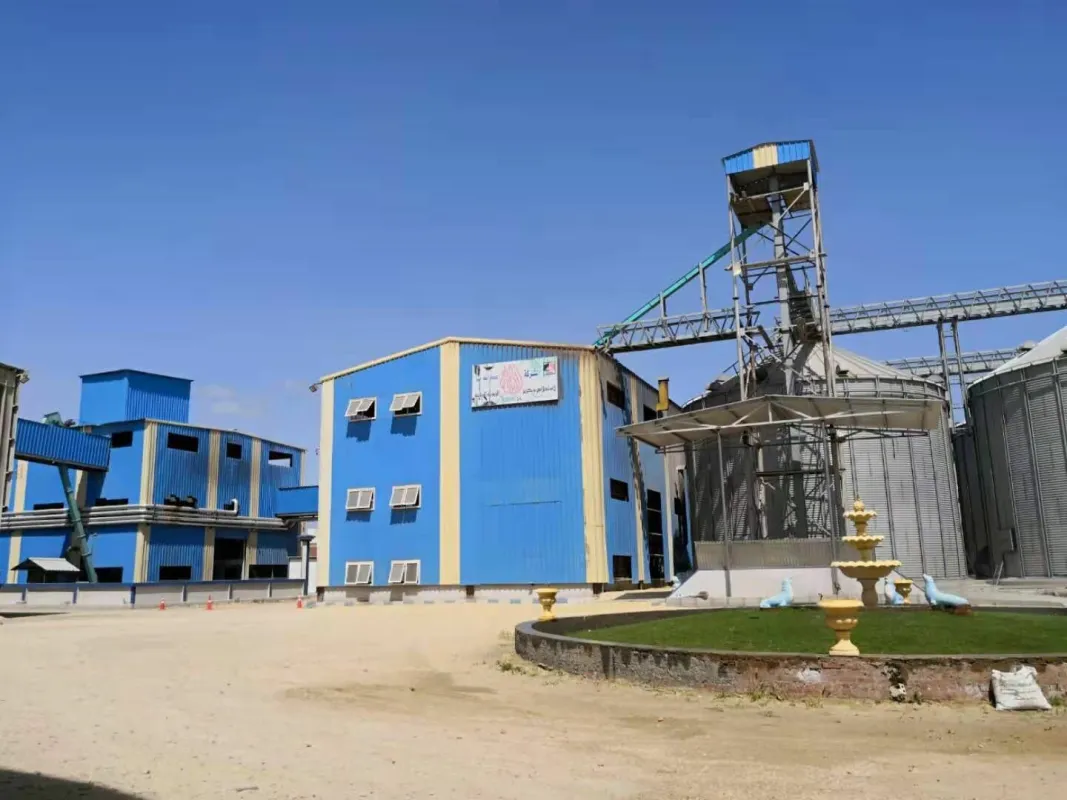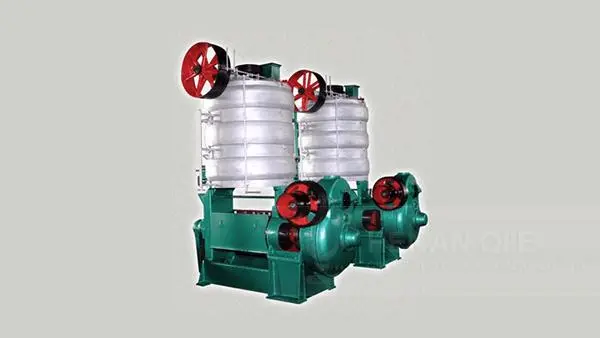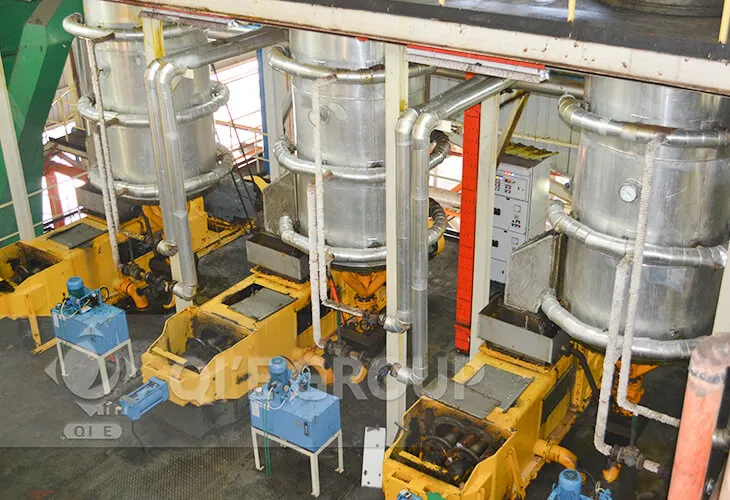
For animal feed manufacturers exporting to global markets—especially in Europe, North America, and Southeast Asia—the quality of soybean meal (or “粕”) is no longer just about protein content. Buyers now demand consistent low oil residue (1–2%) to ensure optimal feed formulation, reduce waste, and meet strict EU and USDA standards.
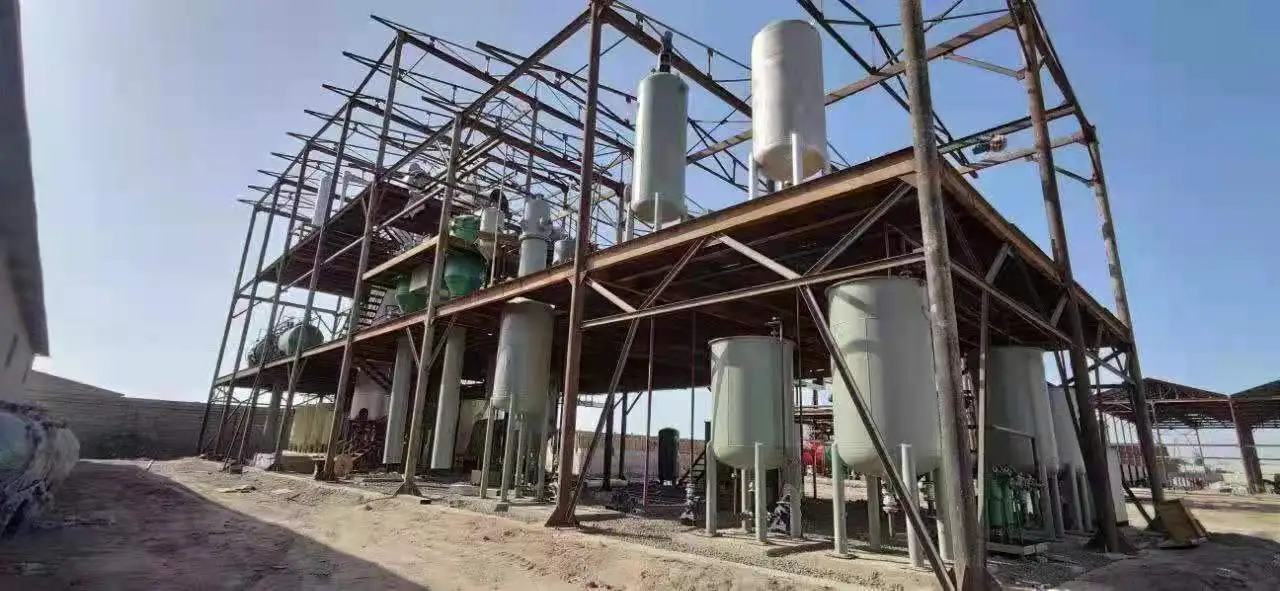
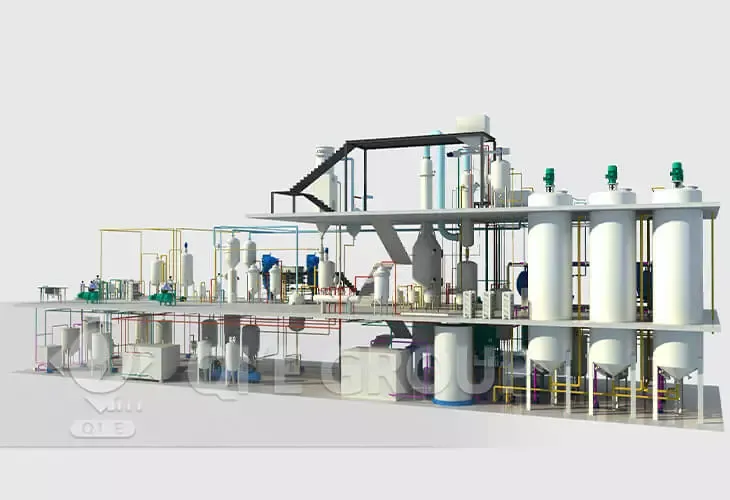
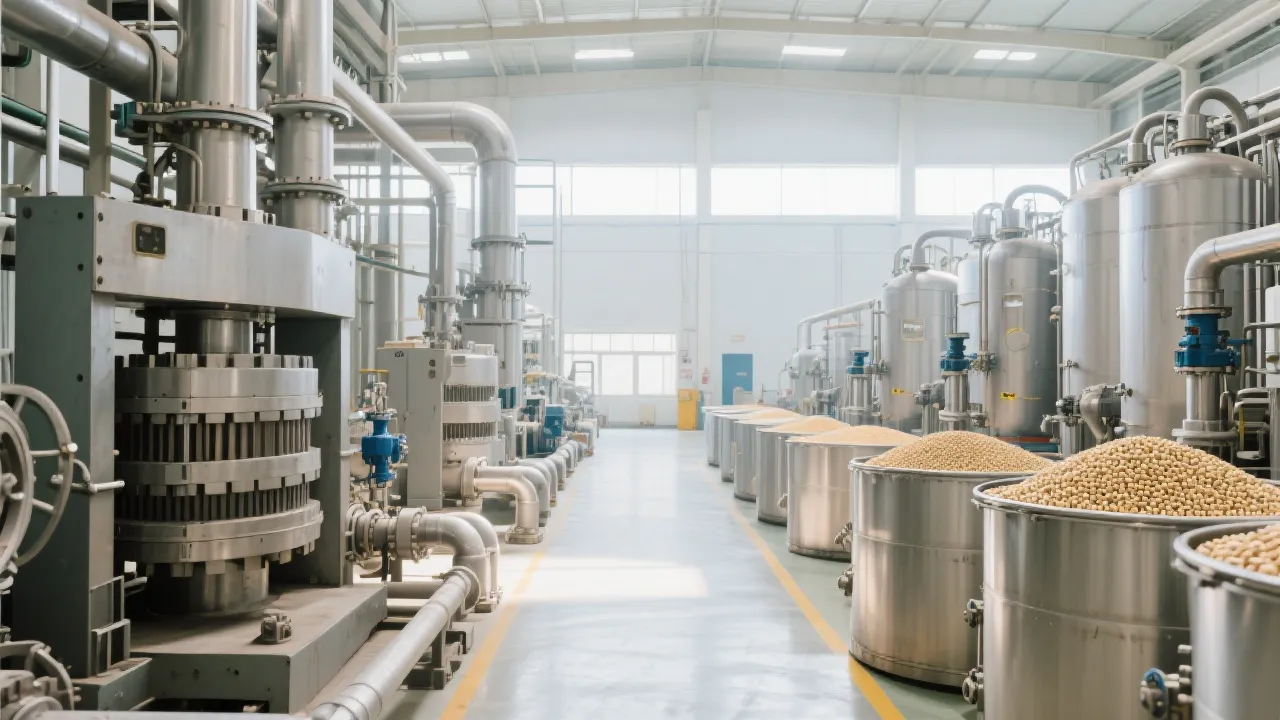
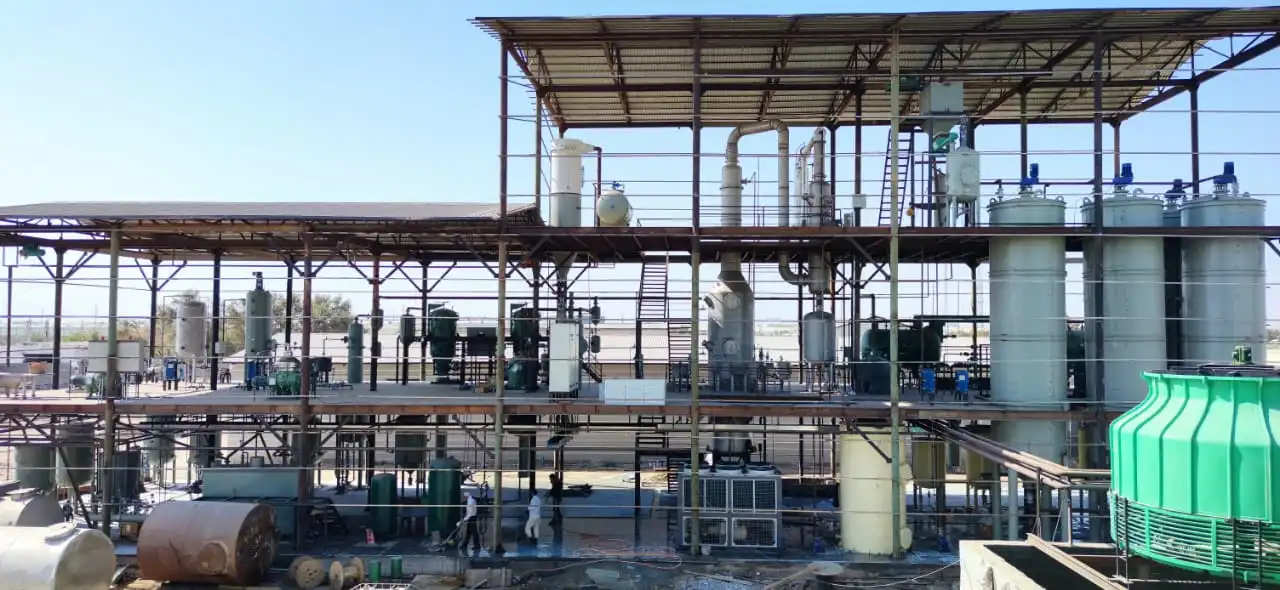
Solvent extraction uses hexane or food-grade alternatives to selectively dissolve oils from crushed soybeans. Unlike mechanical pressing—which typically leaves 6–8% residual oil—solvent systems can reduce oil content to as low as 1.2% on average, based on data from over 50 successful installations across China, Brazil, and Vietnam.
The key? Molecular affinity. Hexane molecules have a strong attraction to triglycerides in oil, allowing them to penetrate the soy matrix efficiently at controlled temperatures (45–55°C) and pressures (0.3–0.5 MPa). This precision ensures maximum oil recovery while preserving protein integrity—a critical factor for premium animal feed buyers.
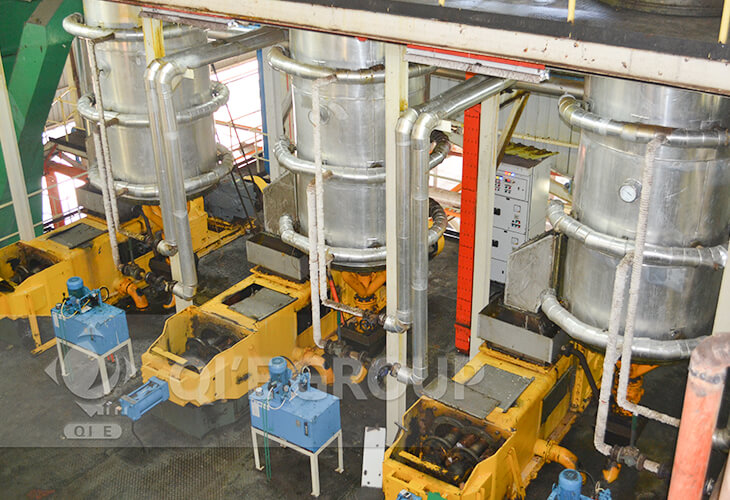
One of the biggest misconceptions about solvent extraction is that it’s expensive. In reality, modern closed-loop systems recover up to 99.5% of solvent—reducing raw material costs by 15–25% annually. A case study from a Vietnamese exporter shows a payback period of just 14 months after upgrading from batch press to continuous solvent extraction.
This efficiency isn’t just financial—it’s environmental. With solvent recovery, emissions drop by over 70%, making your facility more attractive to ESG-conscious importers and regulators alike.
We recently supported a mid-sized Chinese feed producer who struggled with inconsistent product specs. After implementing our optimized solvent system—with real-time moisture control and automated solvent regeneration—they saw:
These improvements helped them win contracts with major livestock feed integrators in Germany and the Netherlands—markets known for demanding high-quality, traceable inputs.
Pro Tip: Don’t wait until your current equipment fails. Start planning your solvent upgrade now—even if you’re only processing 10 tons/day. Early adoption means faster ROI and better positioning against competitors using outdated methods.
If you're serious about improving your feed粕 quality, cutting costs, and meeting international buyer expectations, we invite you to request a free technical assessment tailored to your plant size, existing setup, and export goals.
 soybean oil extraction efficiency
automatic filtration press
small oil mill optimization
continuous oil production
oil purification technology
automatic soybean oil press selection
energy-efficient oil pressing equipment
soybean oil filtration system
hydraulic system in oil press
temperature control in oil extraction
solvent extraction in animal feed
solvent recovery technology
low oil soybean meal
green feed production
hexane recycling
304 stainless steel soybean oil refiner
efficient edible oil refining equipment
modular oil refining system
CE certified oil processing machine
ISO9001 compliant food-grade equipment
low-temperature deodorization
soybean oil off-flavor removal
edible oil refining technology
small-scale oil mill process optimization
degumming and deodorizing equipment
soybean oil extraction efficiency
automatic filtration press
small oil mill optimization
continuous oil production
oil purification technology
automatic soybean oil press selection
energy-efficient oil pressing equipment
soybean oil filtration system
hydraulic system in oil press
temperature control in oil extraction
solvent extraction in animal feed
solvent recovery technology
low oil soybean meal
green feed production
hexane recycling
304 stainless steel soybean oil refiner
efficient edible oil refining equipment
modular oil refining system
CE certified oil processing machine
ISO9001 compliant food-grade equipment
low-temperature deodorization
soybean oil off-flavor removal
edible oil refining technology
small-scale oil mill process optimization
degumming and deodorizing equipment



.jpg?x-oss-process=image/resize,h_800,m_lfit/format,webp)



.png?x-oss-process=image/resize,h_100,m_lfit/format,webp)
.png?x-oss-process=image/resize,h_100,m_lfit/format,webp)
.png?x-oss-process=image/resize,h_100,m_lfit/format,webp)

.jpg?x-oss-process=image/resize,h_800,m_lfit/format,webp)