Optimizing Efficient Solvent Circulation Systems for Sustainable Soybean Meal Defatting
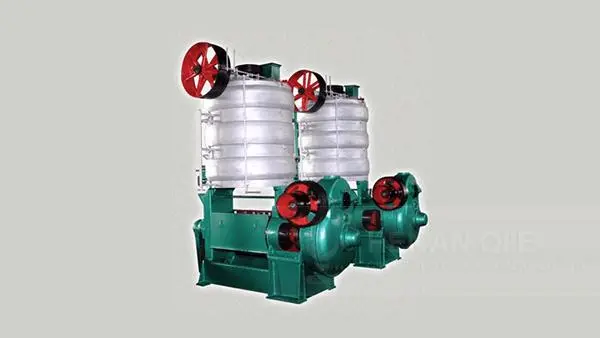
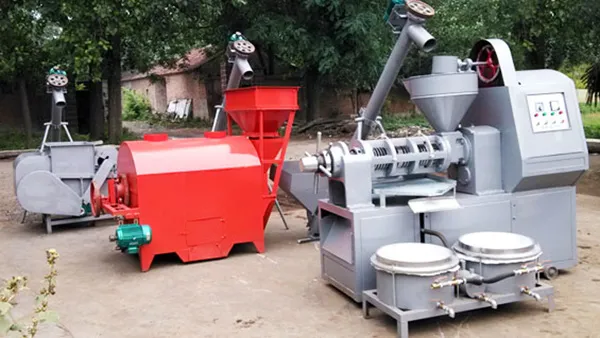
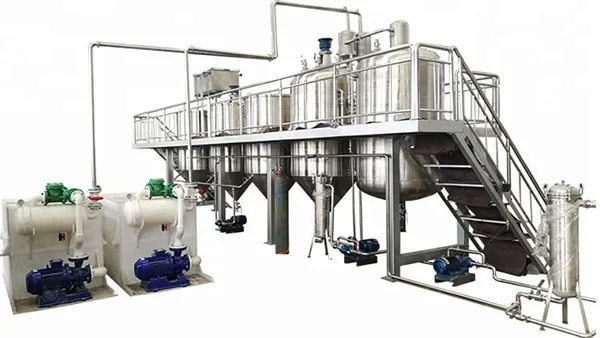
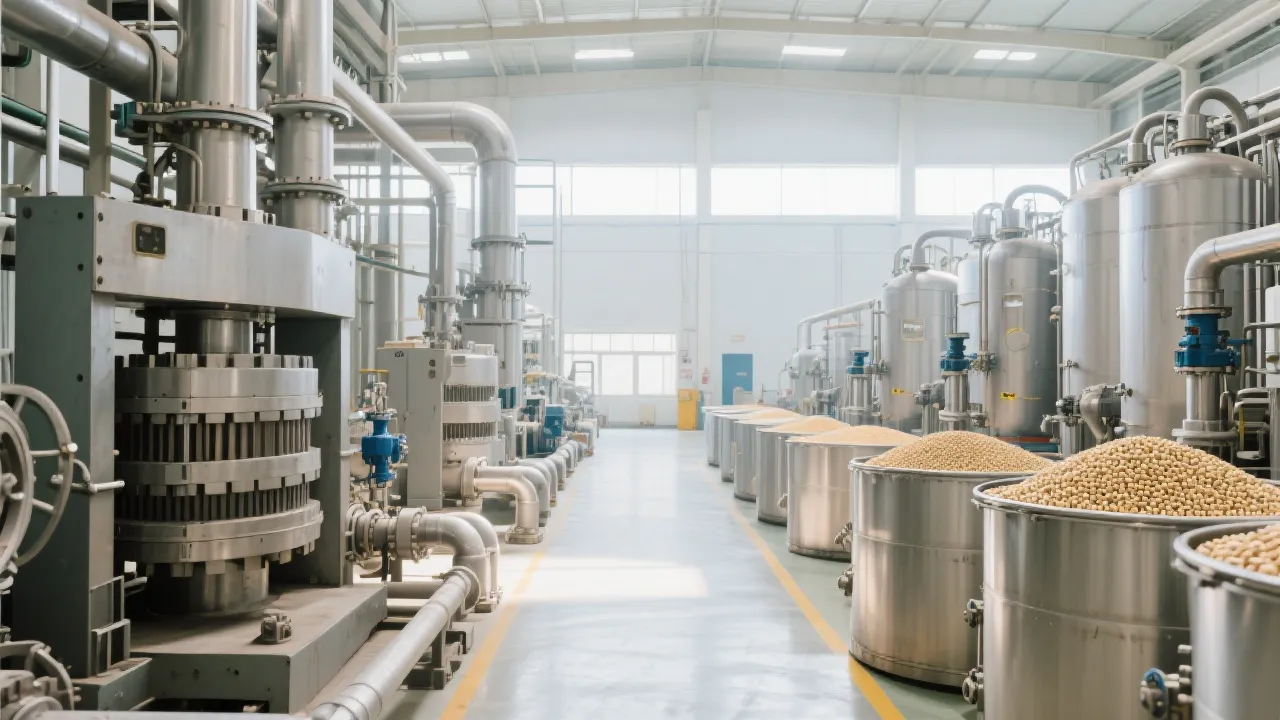
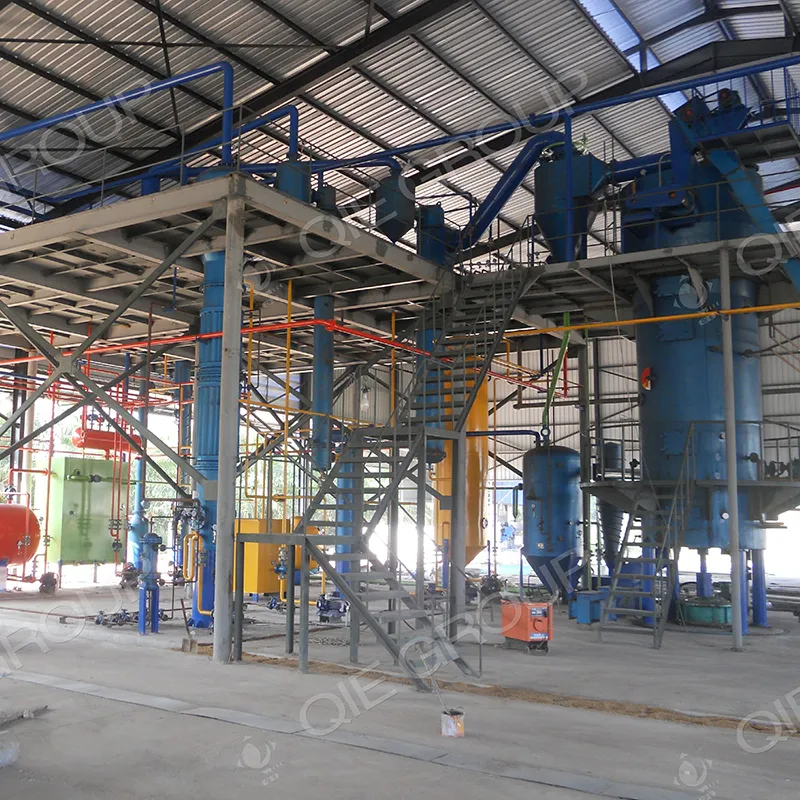
The animal feed industry increasingly demands processing systems that maximize oil extraction efficiency while minimizing environmental impact. At the forefront is the soybean oil solvent extraction equipment integrated with high-efficiency solvent circulation systems. This technology plays a crucial role in lowering residual oil content in soybean meal to below 1.5%, directly enhancing the nutritional value and export quality of animal feed. The system architecture centers on the meticulous design and coordination of core units, including the extraction or leaching tower, solvent recovery columns, and desolventizing units, optimized for both energy consumption and solvent loss control.
The extraction tower serves as the primary vessel where solvent and soybean flakes interact. Configuration parameters such as height-to-diameter ratio (~6:1) and flow characteristics are optimized to facilitate uniform solvent percolation and prevent channeling. An advanced tower design allows solvent circulation rates exceeding 200 m³/h, contributing to rapid oil dissolution.
Post-extraction, the solvent recovery system employs multi-stage distillation and absorption columns, enabling solvent regeneration rates over 98%, drastically mitigating environmental emissions. Integration of efficient heat exchangers reduces steam consumption by up to 15%, aligning with sustainable production goals.
Finally, the desolventizing unit ensures residual solvent removal from the meal, maintaining solvent residue levels under 50 ppm to comply with international export standards. Utilizing indirect steam heating combined with vacuum technology accelerates solvent evaporation, elevating throughput by 10-20% compared to conventional methods.
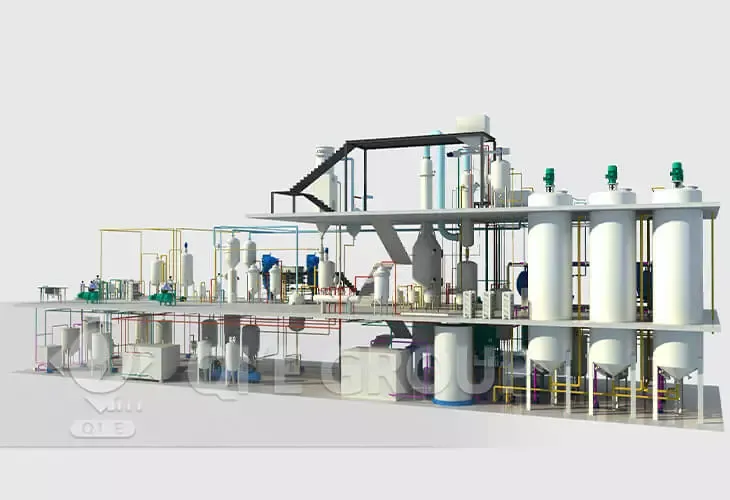
The holistic process layout integrates the solvent circulation loop seamlessly, which circulates hexane or other approved solvents through the extraction and recovery stages. Membrane heat integration between the solvent recovery and desolventizing processes allows waste heat reuse, reducing overall energy footprint.
Empirical data from a leading soybean meal producer illustrates annual solvent consumption cut by 8%, with processing capacity scaled to 15-20 tons/hour. This balance of throughput and sustainability is critical to meet tightening regulations and customer expectations in global markets.
A mid-sized animal feed manufacturer faced fluctuating solvent losses due to inconsistent feedstock moisture and varying flake sizes. By incorporating inline moisture sensors and adjusting solvent flow dynamically, the facility reduced solvent vapor emissions by 12% and enhanced meal oil content consistency below 1.3%.
Maintenance protocols were revised to include predictive diagnostics based on vibration analysis of the extraction tower agitators, decreasing downtime by 20%. These interventions extended equipment lifecycle while ensuring continuous compliance with export quality standards.
Solvent leakage detection: Regular inspection of seals and gaskets using ultrasonic leak detectors can preempt costly solvent losses. Annual replacement intervals and use of industrial-grade fluoroelastomer seals are recommended.
Extraction tower clogging: Implementing scheduled cleaning cycles using solvent flushes and mechanical scrapers prevents fiber accumulation and flow disruptions.
Energy consumption monitoring: Installation of energy meters at critical heat exchanger and distillation stages allows operators to benchmark performance and identify efficiency drifts promptly.
 soybean oil refining equipment
energy-efficient oil processing machinery
food-grade stainless steel equipment
CE certified oil machinery
modular oil refinery systems
soybean oil solvent extraction equipment
soybean meal oil content control
solvent recovery system
animal feed meal processing
oil extraction process
soybean oil extraction efficiency
automatic filtration press
small oil mill optimization
hot vs cold pressing soybean oil
oil yield improvement
Continuous pressing production line
Small and medium-sized oil mills transformation
Automatic oil filtration system
Intelligent pressing equipment
Filtration function for oil extraction
Soybean oil solvent extraction equipment
Solvent recovery device selection
Soybean meal oil content control technology
Animal feed meal processing system design
Hexane solvent recovery
soybean oil refining equipment
energy-efficient oil processing machinery
food-grade stainless steel equipment
CE certified oil machinery
modular oil refinery systems
soybean oil solvent extraction equipment
soybean meal oil content control
solvent recovery system
animal feed meal processing
oil extraction process
soybean oil extraction efficiency
automatic filtration press
small oil mill optimization
hot vs cold pressing soybean oil
oil yield improvement
Continuous pressing production line
Small and medium-sized oil mills transformation
Automatic oil filtration system
Intelligent pressing equipment
Filtration function for oil extraction
Soybean oil solvent extraction equipment
Solvent recovery device selection
Soybean meal oil content control technology
Animal feed meal processing system design
Hexane solvent recovery






.png?x-oss-process=image/resize,h_100,m_lfit/format,webp)
.png?x-oss-process=image/resize,h_100,m_lfit/format,webp)
.png?x-oss-process=image/resize,h_100,m_lfit/format,webp)
.jpg?x-oss-process=image/resize,h_800,m_lfit/format,webp)