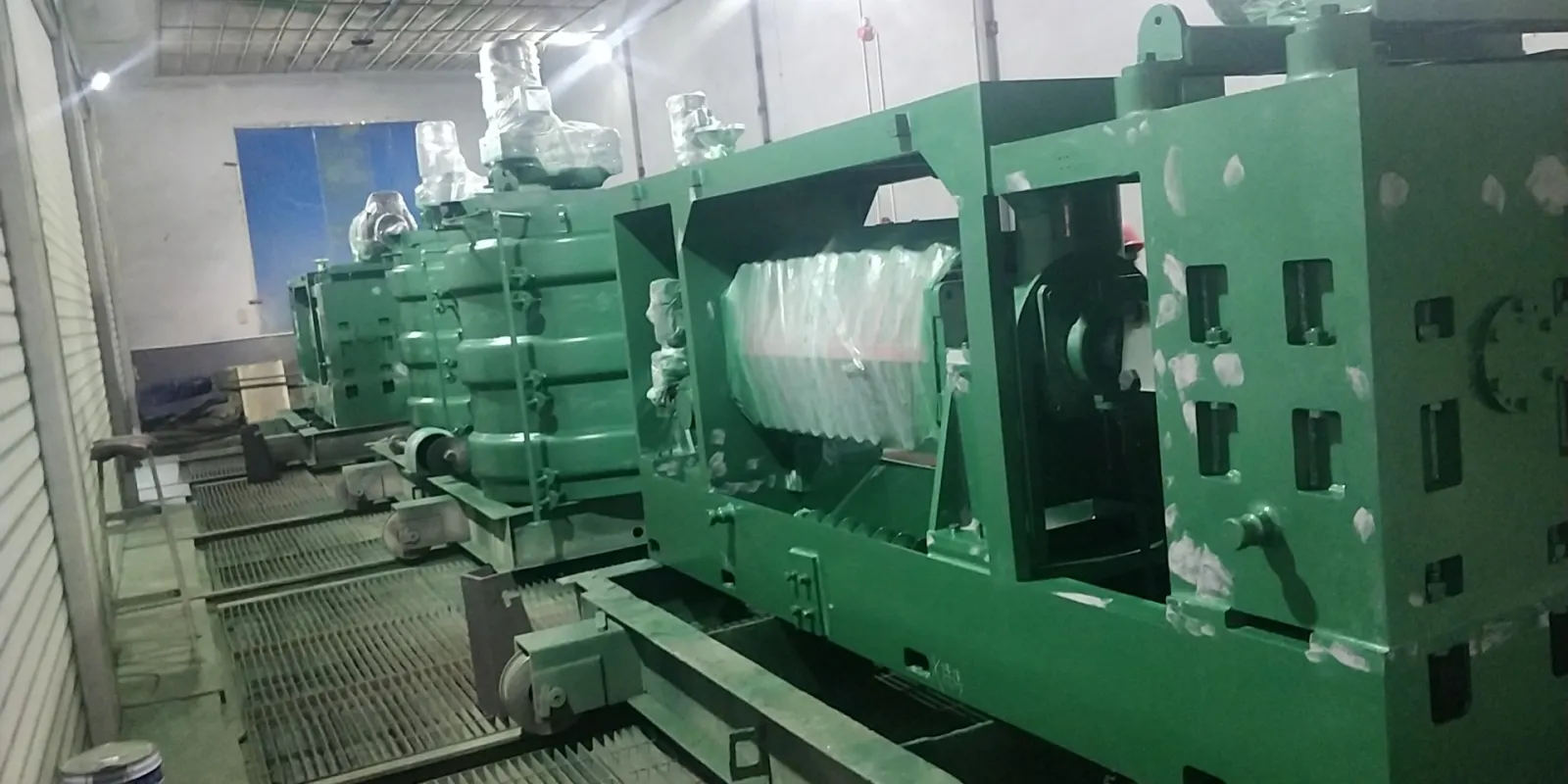
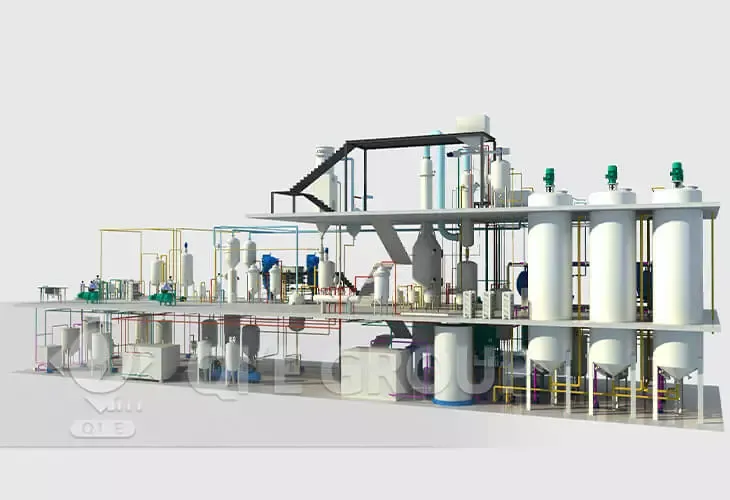
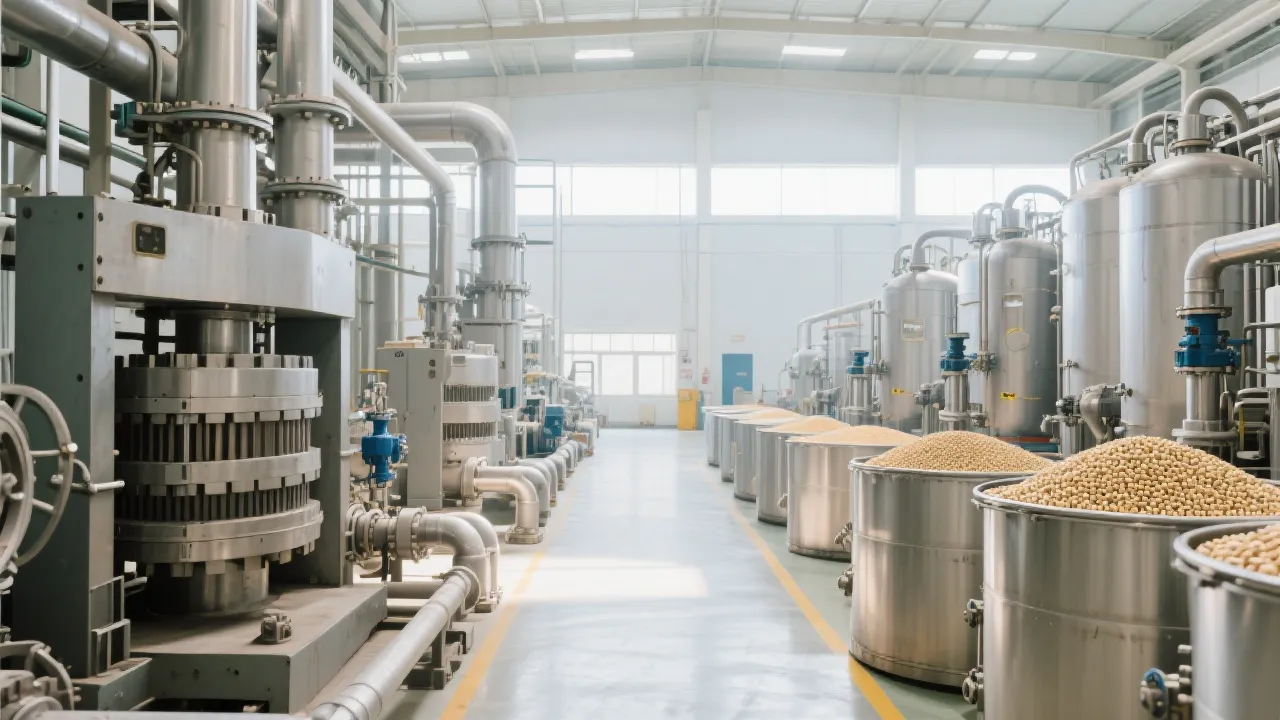
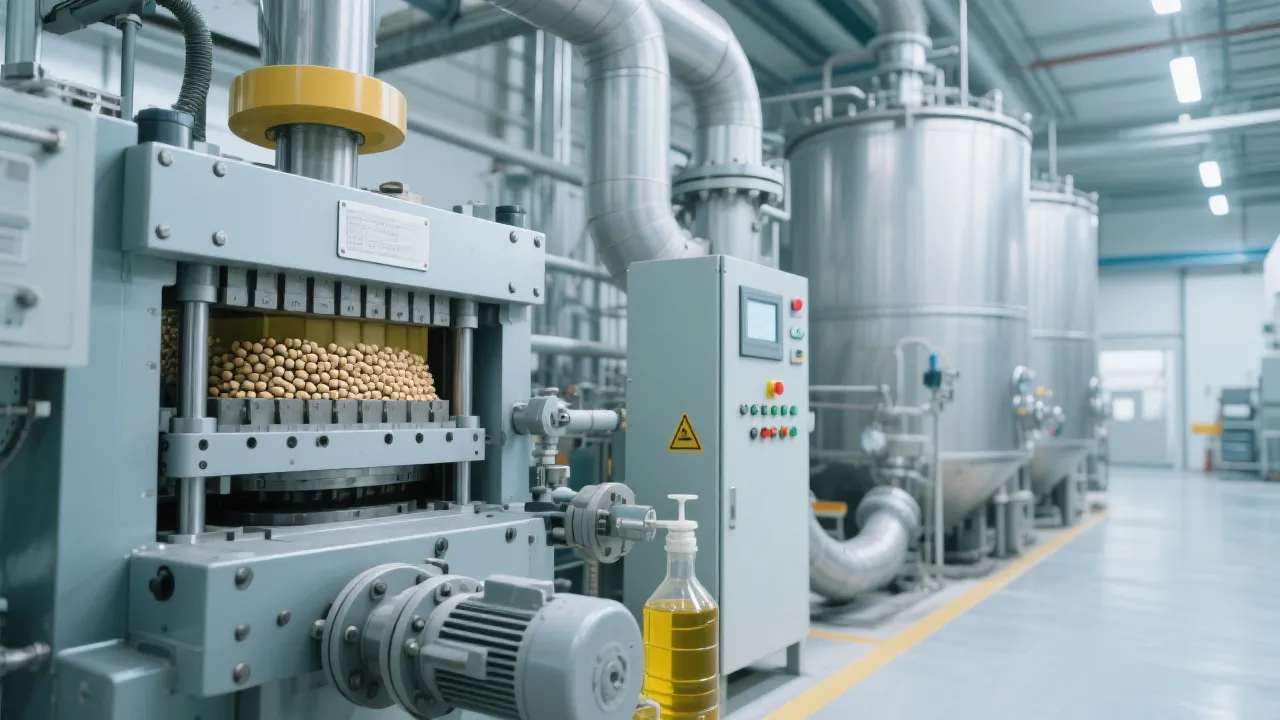
For feed manufacturers seeking to boost yield while maintaining high-quality protein output, solvent extraction using hexane has become a gold standard—especially in soybean meal processing. This method reduces residual oil content from traditional mechanical pressing levels (~4–6%) down to just 1–2%, significantly enhancing nutritional value and shelf life.
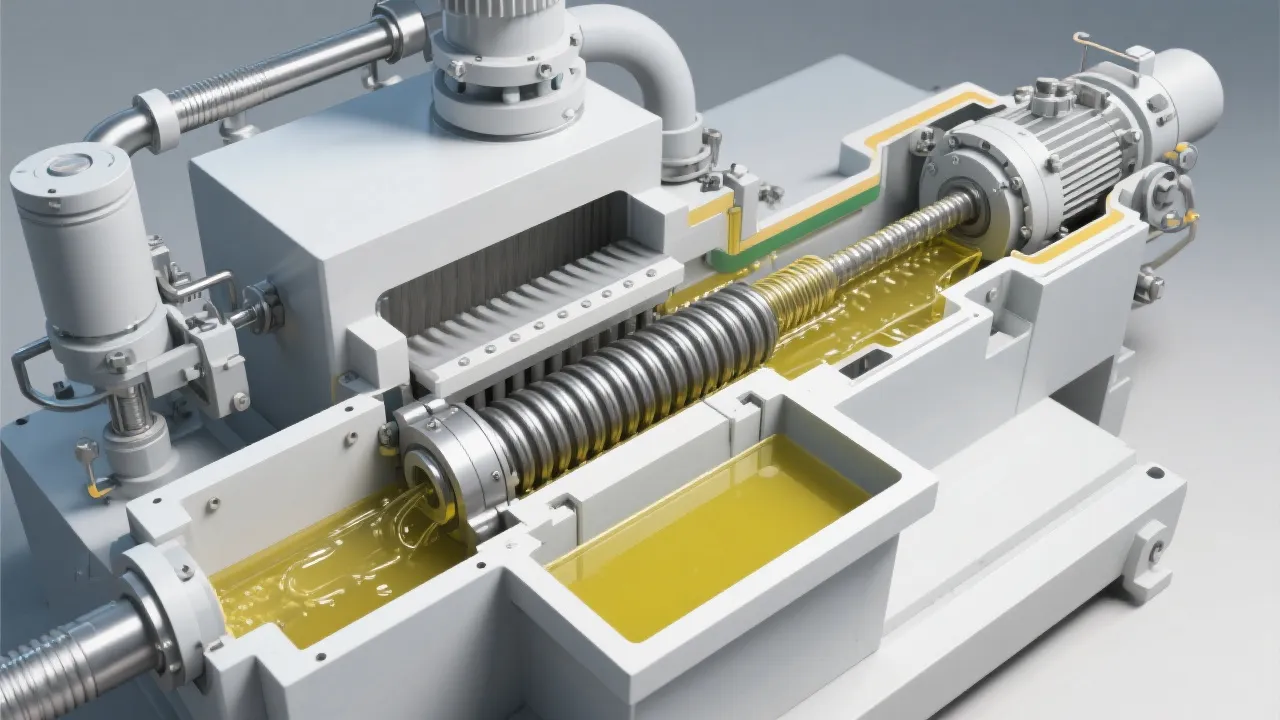
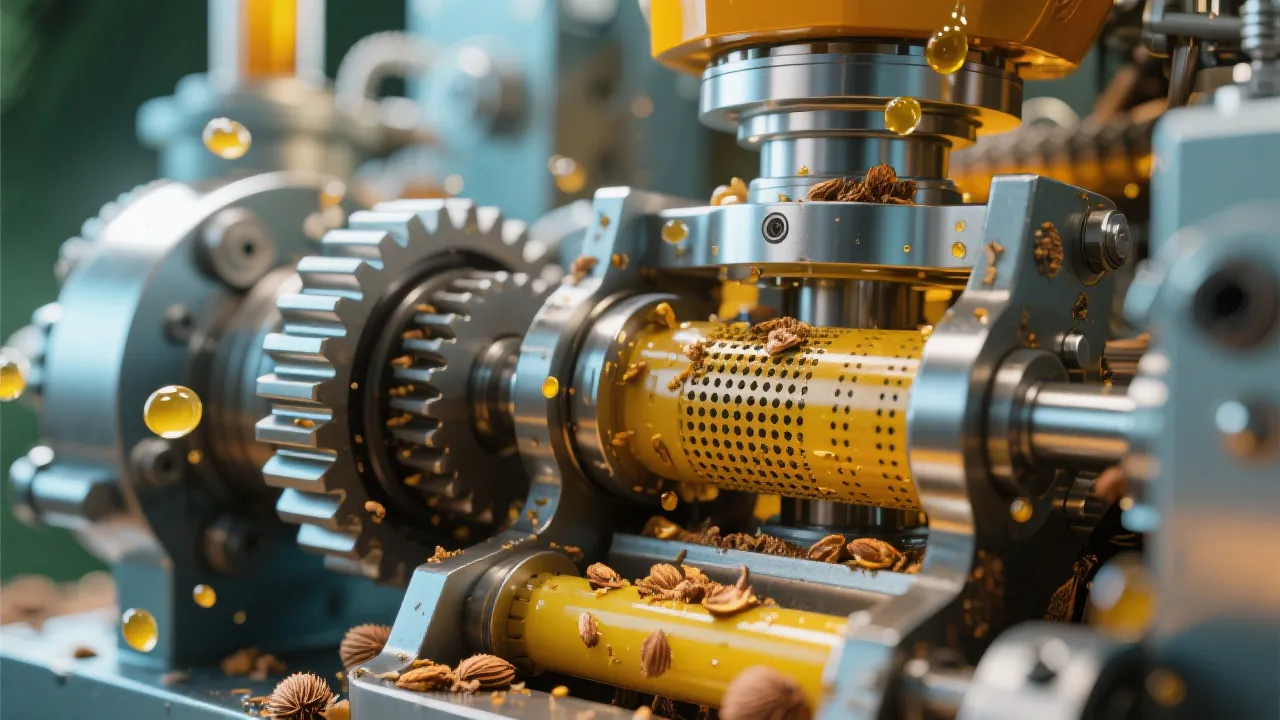
Hexane’s effectiveness lies in its molecular affinity for triglycerides—the main component of vegetable oils. Unlike mechanical pressing, which relies on physical force, solvent extraction leverages chemical solubility: hexane dissolves oil molecules efficiently at room temperature, allowing up to 98% oil recovery from dehulled soybeans. Studies show that properly optimized systems can extract 95–97% of total oil, compared to ~85% with press-only methods.
Key Process Parameters:
Many overlook the economic impact of solvent recovery—but it's where profitability meets sustainability. Modern distillation units recover over 99% of hexane, reducing raw material costs by up to 30%. In one case study from a mid-sized feed mill in Brazil, implementing a closed-loop system cut annual hexane consumption from 15 tons to just 3.5 tons—a direct $120K/year savings.
Environmental compliance is another win: recycled hexane minimizes VOC emissions, helping facilities meet EU REACH standards or U.S. EPA regulations without costly upgrades.
A leading animal feed producer in India reduced their bean-to-meal cycle time by 22% after adjusting solvent flow rates based on real-time moisture sensors. Another facility in Thailand improved product consistency by installing automated control valves linked to PLCs—an investment that paid off in under 8 months through reduced waste and better batch uniformity.
Common pitfalls? Overloading the extractor, poor drying control, or neglecting pre-treatment steps like flaking and conditioning. These issues cause uneven extraction and increased fines, lowering both yield and marketability.
If you're serious about maximizing oil recovery, minimizing environmental footprint, and boosting feed quality, it’s time to rethink your current setup. At QIE Group, we don’t just sell equipment—we provide end-to-end solutions tailored to your production scale, from small-scale processors to large industrial plants.
Let our engineers analyze your current setup and suggest actionable improvements—no obligation, no pressure.
Download Your Free Optimization Checklist → Soybean oil refining equipment
Degumming and deodorizing technology
Edible oil quality improvement
Grain and oil processing automation
Refining process optimization
Fully automatic soybean oil press
Soybean oil pressing equipment selection
Automation equipment for small and medium - sized oil mills
Oil filtering system
Energy - saving and environmental - friendly oil press
soybean oil extraction efficiency
automatic filtration press
small oil mill optimization
hot vs cold pressing soybean oil
oil yield improvement
Soybean oil yield improvement
Automatic filtration press
Small and medium - sized oil mill process optimization
Oil filtration system
Residual oil rate reduction
automatic soybean oil press machine
soybean oil extraction equipment
cold press vs hot press oil extraction
oil press filter system
global soybean processing equipment
Soybean oil refining equipment
Degumming and deodorizing technology
Edible oil quality improvement
Grain and oil processing automation
Refining process optimization
Fully automatic soybean oil press
Soybean oil pressing equipment selection
Automation equipment for small and medium - sized oil mills
Oil filtering system
Energy - saving and environmental - friendly oil press
soybean oil extraction efficiency
automatic filtration press
small oil mill optimization
hot vs cold pressing soybean oil
oil yield improvement
Soybean oil yield improvement
Automatic filtration press
Small and medium - sized oil mill process optimization
Oil filtration system
Residual oil rate reduction
automatic soybean oil press machine
soybean oil extraction equipment
cold press vs hot press oil extraction
oil press filter system
global soybean processing equipment






.png?x-oss-process=image/resize,h_100,m_lfit/format,webp)
.png?x-oss-process=image/resize,h_100,m_lfit/format,webp)
.png?x-oss-process=image/resize,h_100,m_lfit/format,webp)