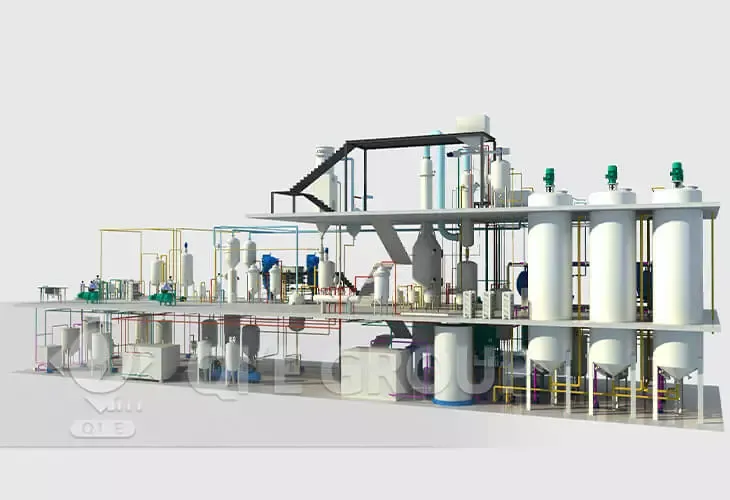
In the animal feed industry, achieving consistent low oil content in soybean meal—ideally between 1% and 2%—is critical for both nutritional efficiency and cost-effectiveness. While mechanical pressing typically leaves residual oil levels above 4%, solvent extraction offers a proven path to superior results. This guide breaks down how optimizing key parameters can significantly enhance extraction efficiency while reducing operational costs through solvent recovery.
Solvent extraction relies on the selective solubility of oils in organic solvents like hexane. At room temperature (25°C), hexane has a high affinity for triglycerides found in soybeans, allowing it to dissolve up to 95–97% of available oil when properly applied. Unlike mechanical pressing—which removes only about 70–80% of oil—the solvent method ensures a more complete lipid removal, making it ideal for premium feed-grade soybean meal production.
Key variables such as temperature (40–50°C), soaking time (60–90 minutes), and solvent-to-soy ratio (2.5:1 to 3:1 by weight) directly influence extraction yield. A study from the International Journal of Food Engineering shows that increasing soaking time from 60 to 90 minutes improves oil recovery by an average of 12% without compromising protein quality or increasing energy use.
Industry benchmarks suggest the following optimized settings for maximum oil reduction:
These adjustments have been validated across multiple facilities producing over 500 tons/month of feed-grade soybean meal. One Chinese feed mill reported a 22% drop in raw material waste after implementing these protocols, translating into ~$18,000 monthly savings in soybean input costs alone.
Modern solvent recovery systems can reclaim up to 98% of used hexane via distillation units, dramatically lowering environmental impact and operating expenses. For example, a Brazilian feed producer using a closed-loop system reduced solvent consumption from 1.2 kg per ton of meal to just 0.15 kg per ton—a 87% improvement. This not only cuts costs but also aligns with EU REACH compliance standards, boosting export readiness.
Moreover, recovered solvent maintains its purity over repeated cycles, ensuring stable extraction quality. Many global buyers now require proof of sustainable solvent management before placing bulk orders—making this a competitive differentiator in B2B negotiations.
Q: Can I achieve 1% oil content with existing equipment?
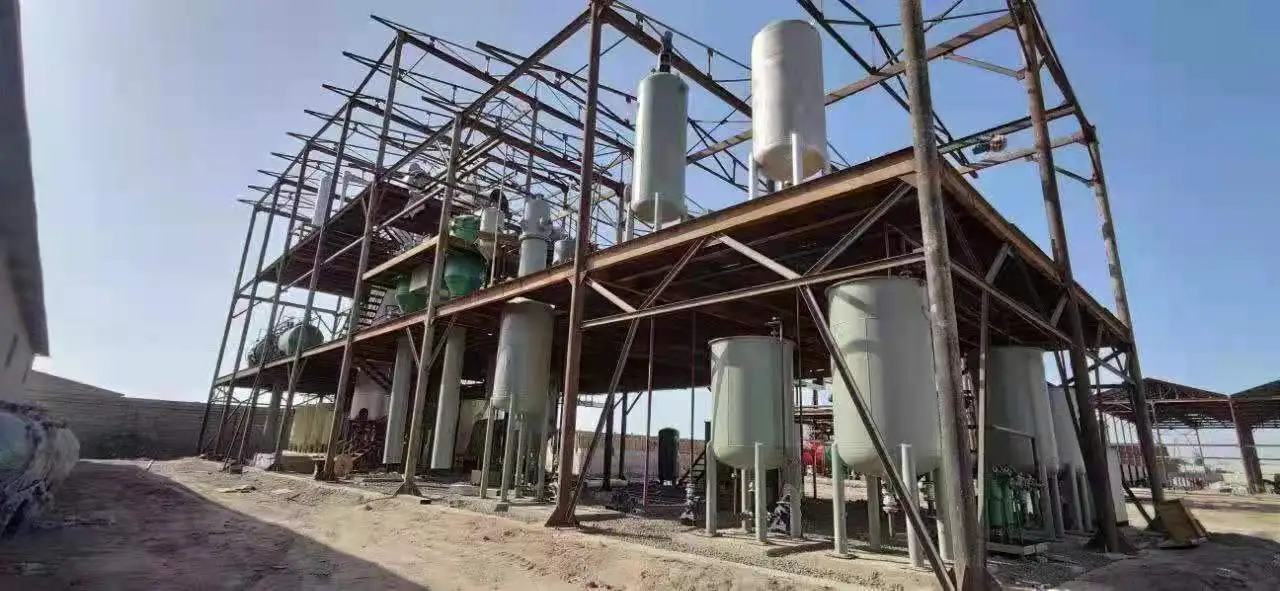
Yes—if you optimize temperature, time, and solvent concentration as outlined above. Retrofitting your current extractor with better control valves and temperature sensors often yields immediate improvements.
Q: What’s the payback period for investing in solvent recovery?
Typically 6–12 months, depending on scale and local solvent prices. Smaller plants may see faster returns due to lower baseline consumption.
“We upgraded our solvent extraction process last year and now consistently ship soybean meal at 1.2% oil—our largest customer in Saudi Arabia now places quarterly orders exceeding 1,000 MT.”
— Lin Wei, Production Manager, Jiangsu Feed Co., China
Whether you're refining your current setup or building a new facility, our engineered solvent extraction solutions help you hit target oil levels consistently—and profitably.
Get a Free Process Audit Today → soybean oil refining equipment
energy-efficient oil processing machinery
food-grade stainless steel equipment
CE certified oil machinery
modular oil refinery systems
Soybean oil refining equipment
Degumming and deodorizing technology
Edible oil quality improvement
Grain and oil processing automation
Refining process optimization
animal feed solvent extraction equipment
soybean oil solvent extraction
solvent extraction equipment after-sales support
feed meal production machinery
grain and oil processing equipment
soybean oil refining equipment
automatic degumming and deodorization
edible oil refining technology
full-automatic oil refining line
oil quality improvement
fully automatic soybean oil press
energy-efficient soybean oil press machine
small oil mill equipment selection
soybean oil press maintenance
green oil processing solutions
soybean oil refining equipment
energy-efficient oil processing machinery
food-grade stainless steel equipment
CE certified oil machinery
modular oil refinery systems
Soybean oil refining equipment
Degumming and deodorizing technology
Edible oil quality improvement
Grain and oil processing automation
Refining process optimization
animal feed solvent extraction equipment
soybean oil solvent extraction
solvent extraction equipment after-sales support
feed meal production machinery
grain and oil processing equipment
soybean oil refining equipment
automatic degumming and deodorization
edible oil refining technology
full-automatic oil refining line
oil quality improvement
fully automatic soybean oil press
energy-efficient soybean oil press machine
small oil mill equipment selection
soybean oil press maintenance
green oil processing solutions





.png?x-oss-process=image/resize,h_100,m_lfit/format,webp)
.png?x-oss-process=image/resize,h_100,m_lfit/format,webp)
.png?x-oss-process=image/resize,h_100,m_lfit/format,webp)
.jpg?x-oss-process=image/resize,h_800,m_lfit/format,webp)