
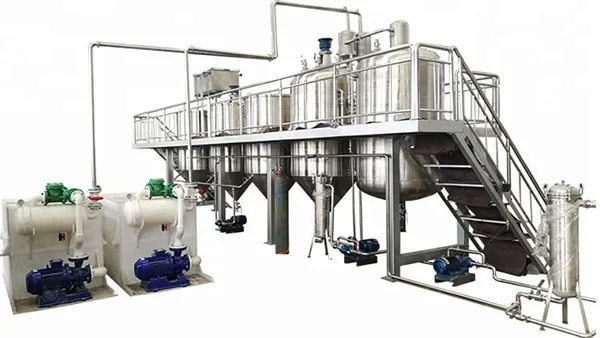
In the realm of soybean processing, achieving low oil content in soybean meal is crucial for feed production enterprises. Solvent extraction has emerged as a game - changing method to reach this goal. Let's explore the technical principles and process optimization of this method.
Solvent extraction leverages the strong affinity between solvents and oil molecules. Hexane, a commonly used solvent, has a high affinity for soybean oil. When hexane comes into contact with soybean flakes, it selectively dissolves the oil, forming a miscella. This is due to the similar chemical properties between hexane and the oil, allowing for efficient extraction.
Several key process variables affect the residual oil rate in soybean meal. Temperature, for example, plays a vital role. Generally, a temperature range of 50 - 60°C is optimal. Higher temperatures can increase the solubility of oil in the solvent but may also cause some quality issues. The extraction time should be around 60 - 90 minutes to ensure thorough extraction. Additionally, the solvent - to - material ratio is crucial. A ratio of 1.5 - 2:1 (solvent to soybean flakes) is often recommended for efficient extraction.
Mechanical pressing is a traditional method for oil extraction. However, it has limitations in reducing the oil content in soybean meal. On average, mechanically pressed soybean meal has an oil content of 5% - 8%. In contrast, solvent extraction can consistently reduce the oil content to 1% - 2%. For instance, in a recent test, a batch of soybeans processed by mechanical pressing had a residual oil content of 6%, while the same batch processed by solvent extraction had a residual oil content of only 1.5%, clearly demonstrating the superiority of solvent extraction.
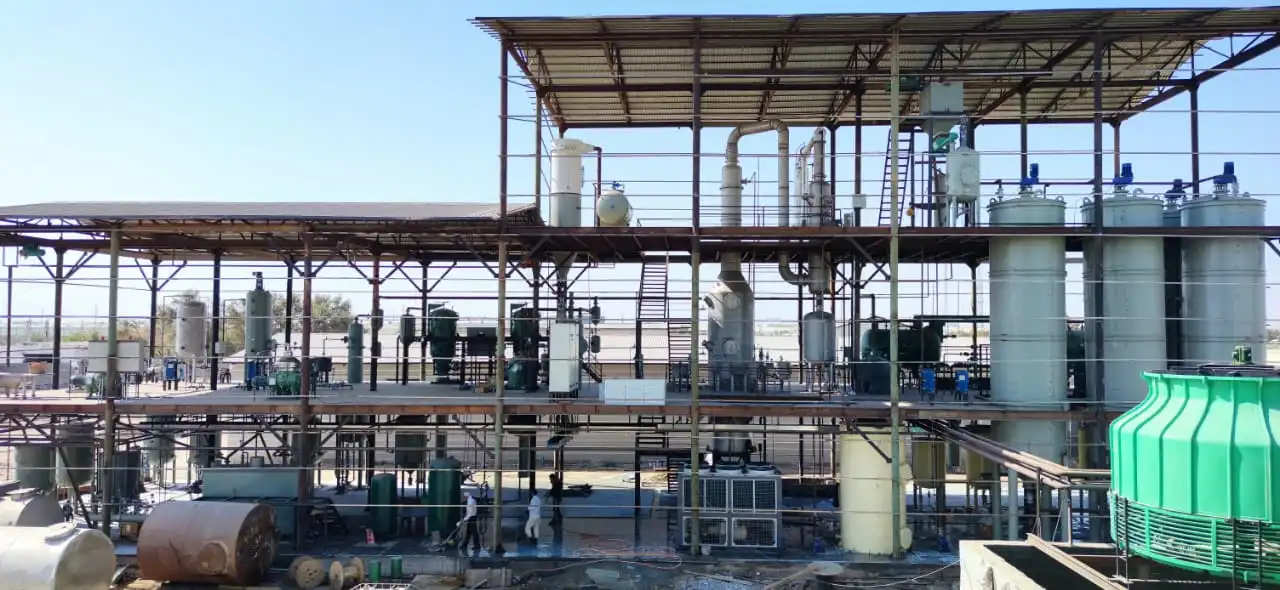
The solvent recovery system is an essential part of the solvent extraction process. It not only helps in reducing costs but also has significant environmental benefits. The hexane solvent can be recovered through a series of distillation and condensation processes. By recycling the solvent, enterprises can save up to 30% of the solvent cost. Moreover, it reduces the emission of volatile organic compounds, contributing to a greener and more sustainable production process.
Many feed production enterprises have adopted solvent extraction technology. For example, ABC Feed Company reported that after switching to solvent extraction, they were able to improve the quality of their soybean meal, resulting in a 20% increase in customer satisfaction. Another company, XYZ Feeds, saw a 15% reduction in production costs due to the efficient solvent recovery system.
Q: How to handle solvent residues in soybean meal?
A: After extraction, the soybean meal goes through a desolventizing process. High - temperature and low - pressure conditions are used to evaporate the remaining solvent. The residual solvent content can be reduced to less than 50 ppm, meeting the industry standards.
Q: What are the key points for equipment maintenance?
A: Regular cleaning of the extraction equipment is essential. Check the seals and valves regularly to prevent solvent leakage. Also, perform routine inspections of the heating and cooling systems to ensure stable operation.
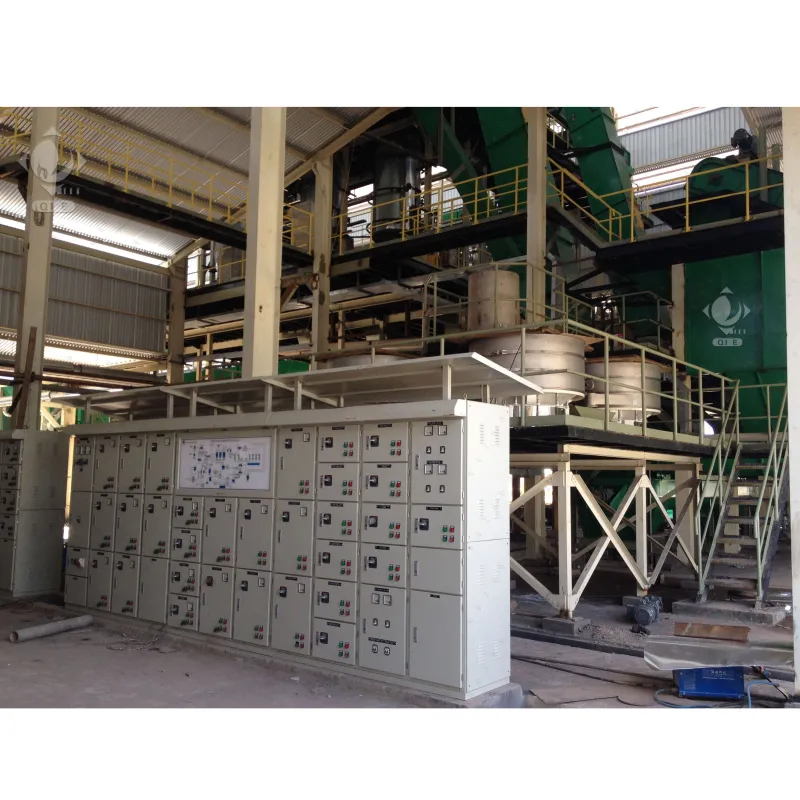
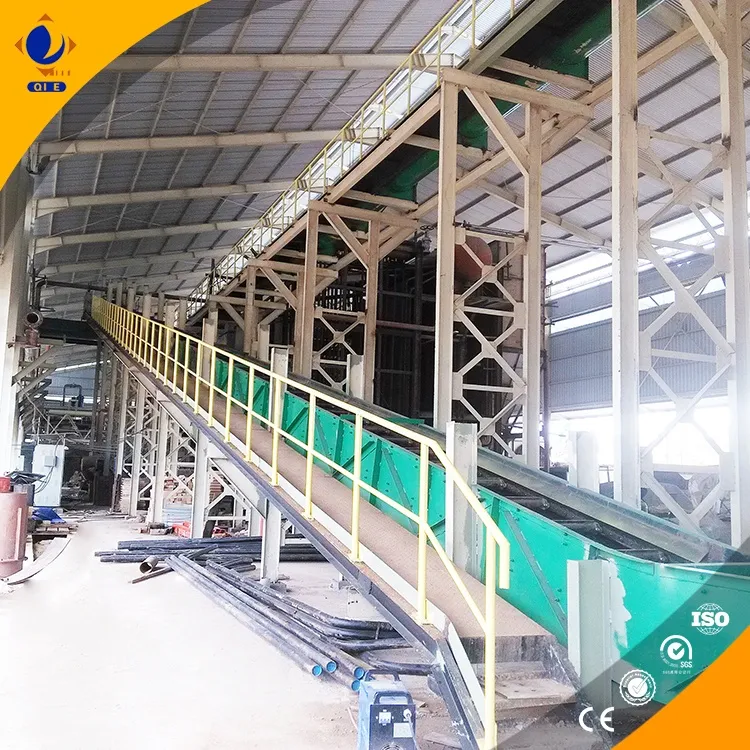
If you're looking to enhance the quality of your soybean meal, reduce production costs, and achieve sustainable development, the solvent extraction technology is the way to go. Our QIE Group equipment, certified by ISO, ensures stable and efficient operation. Click here to learn more about our solvent extraction solutions!
 soybean oil refining equipment
deacidification process optimization
deodorization technology for edible oils
oil refining automation
edible oil processing solutions
soybean oil refining process
de-gumming and deodorization system
small oil processing plant equipment
food safety compliance in oil refining
energy-efficient oil refining technology
Fully automatic soybean oil press
Equipment maintenance for small and medium - sized oil mills
Key components of soybean oil pressing
Oil filtration system
Adaptation of cold and hot pressing processes
fully automatic soybean oil press
energy-efficient soybean oil press machine
small oil mill equipment selection
soybean oil press maintenance
green oil processing solutions
Continuous pressing equipment
Filtration system
Soybean oil press
Comprehensive oil extraction rate improvement
Intelligent control system
soybean oil refining equipment
deacidification process optimization
deodorization technology for edible oils
oil refining automation
edible oil processing solutions
soybean oil refining process
de-gumming and deodorization system
small oil processing plant equipment
food safety compliance in oil refining
energy-efficient oil refining technology
Fully automatic soybean oil press
Equipment maintenance for small and medium - sized oil mills
Key components of soybean oil pressing
Oil filtration system
Adaptation of cold and hot pressing processes
fully automatic soybean oil press
energy-efficient soybean oil press machine
small oil mill equipment selection
soybean oil press maintenance
green oil processing solutions
Continuous pressing equipment
Filtration system
Soybean oil press
Comprehensive oil extraction rate improvement
Intelligent control system



.png?x-oss-process=image/resize,h_100,m_lfit/format,webp)
.png?x-oss-process=image/resize,h_100,m_lfit/format,webp)
.png?x-oss-process=image/resize,h_100,m_lfit/format,webp)

.jpg?x-oss-process=image/resize,h_800,m_lfit/format,webp)
