.jpg?x-oss-process=image/resize,h_3000,m_lfit/format,webp)
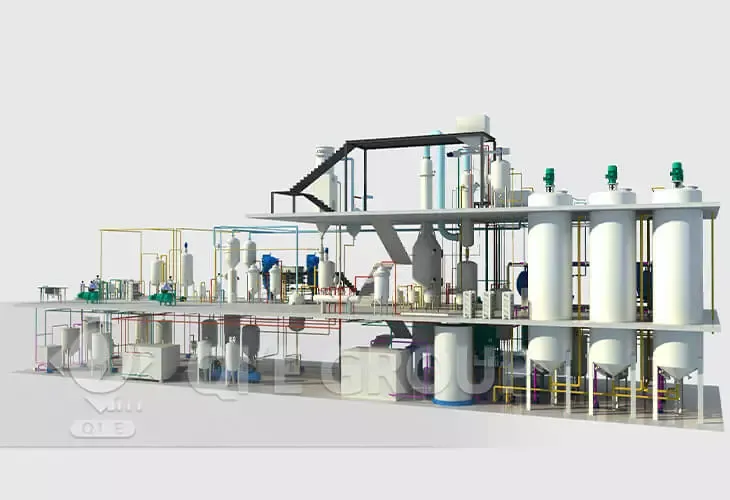
In the modern animal feed industry, enhancing the quality and production efficiency of feed meal is a crucial goal for many enterprises. The solvent extraction method has emerged as a revolutionary technology that offers significant advantages in this regard. This article will delve into the technical principles of the solvent extraction method and its application in the production of animal feed meal.
The solvent extraction method is based on the high affinity between the solvent and the oil. Solvents such as hexane are commonly used due to their excellent ability to dissolve oil. When the solvent comes into contact with the oil - containing feed material, such as soybeans, it penetrates the cells of the material and dissolves the oil. The key to this process lies in the optimization of several crucial process parameters, including temperature, time, and the ratio of solvent to material.
By carefully adjusting these parameters, the solvent can effectively extract the oil from the feed material. For example, maintaining an appropriate temperature ensures that the solvent has good fluidity and solubility, while controlling the time allows for sufficient extraction without causing unnecessary loss of other components in the feed meal. In practice, through the solvent extraction method, the oil content in soybean meal can be reduced to 1% - 2%, which is a remarkable improvement compared to traditional mechanical pressing methods.
.jpg)
Traditional mechanical pressing methods have limitations in oil extraction efficiency. They often leave a relatively high amount of oil in the feed meal, which not only reduces the economic value of the product but also affects its storage and utilization. In contrast, the solvent extraction method can achieve a much lower oil content, which means higher - quality feed meal. The low - oil feed meal has better storage stability, reduced risk of rancidity, and is more suitable for long - term storage and transportation, especially in the context of international animal feed meal exports.
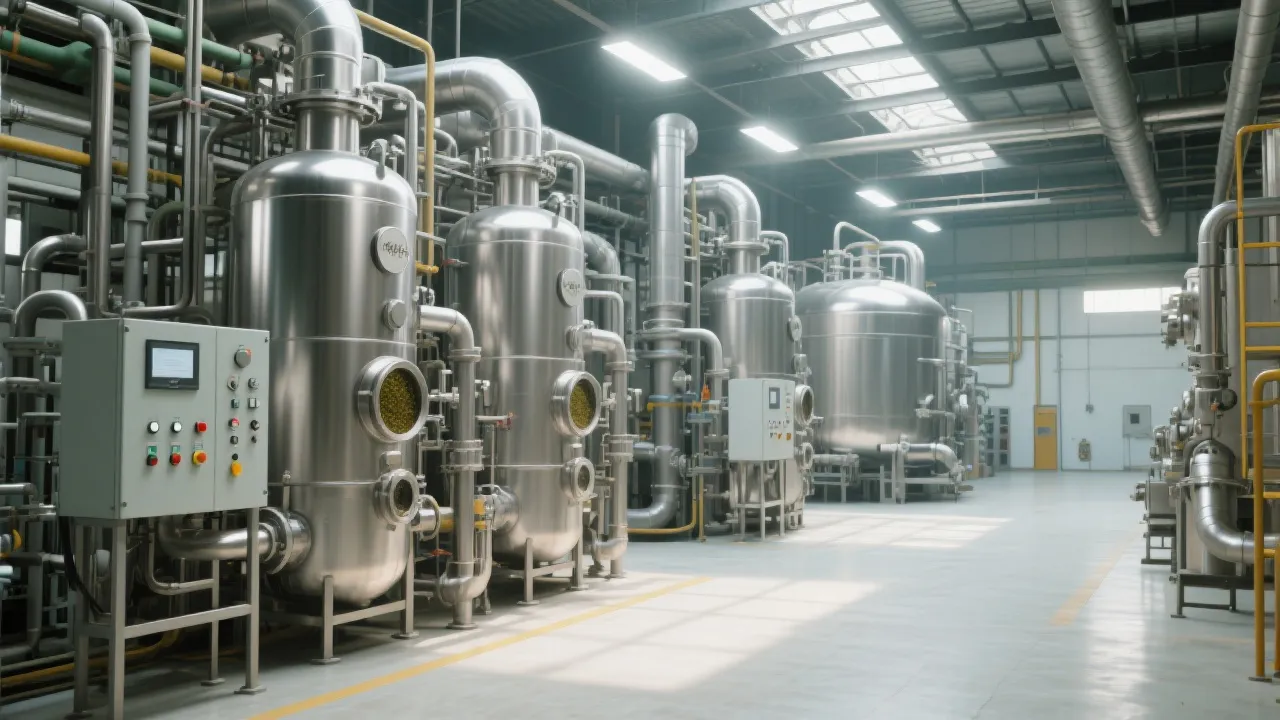
Another significant advantage of the solvent extraction method is the solvent recovery technology. After the oil extraction process, the solvent can be recovered and reused, which brings both economic and environmental benefits. Economically, it reduces the cost of raw materials as the solvent can be recycled multiple times. Environmentally, it reduces the emission of volatile organic compounds and waste solvents, contributing to a more sustainable and green production process.
For example, in a large - scale animal feed meal production plant, through an efficient solvent recovery system, the cost of solvent consumption can be reduced by up to 30% - 40% annually. This not only improves the profitability of the enterprise but also aligns with the global trend of environmental protection.
To better understand the practical application of the solvent extraction method, let's look at some industry case studies. A feed production company in South America adopted the solvent extraction method in its soybean meal production. After the implementation, the quality of its soybean meal products was significantly improved, with the oil content reduced from the original 5% - 6% to 1% - 2%. This improvement not only increased the product's competitiveness in the international market but also led to a 20% increase in sales volume within a year.
In addition, a European feed enterprise integrated the solvent recovery technology into its solvent extraction process. As a result, it not only saved a large amount of solvent costs but also received positive feedback from environmental protection agencies, enhancing its corporate image and brand value.
Are you looking to enhance the quality of your animal feed meal and improve production efficiency? Our advanced solvent extraction technology can provide you with a comprehensive solution. Click here to learn more.
 continuous oil press machine
automatic filtration press
small oil mill upgrade
intelligent oil pressing system
high yield oil extraction
animal feed meal solvent extraction equipment
soybean oil extraction machine
soy meal oil content control
solvent recovery system
grain and oil machinery after-sales service
Soybean oil degumming and deodorizing technology
Refining equipment optimization
Edible oil quality improvement
Deodorization process parameters
One - stop oil refining
soybean oil press machine
automatic oil extraction system
cold press vs hot press
oil yield optimization
small oil mill equipment
Soybean oil yield improvement
Automatic filtration press
Process optimization for small and medium oil mills
Oil extraction technology
Intelligent control system
continuous oil press machine
automatic filtration press
small oil mill upgrade
intelligent oil pressing system
high yield oil extraction
animal feed meal solvent extraction equipment
soybean oil extraction machine
soy meal oil content control
solvent recovery system
grain and oil machinery after-sales service
Soybean oil degumming and deodorizing technology
Refining equipment optimization
Edible oil quality improvement
Deodorization process parameters
One - stop oil refining
soybean oil press machine
automatic oil extraction system
cold press vs hot press
oil yield optimization
small oil mill equipment
Soybean oil yield improvement
Automatic filtration press
Process optimization for small and medium oil mills
Oil extraction technology
Intelligent control system






.png?x-oss-process=image/resize,h_100,m_lfit/format,webp)
.png?x-oss-process=image/resize,h_100,m_lfit/format,webp)
.png?x-oss-process=image/resize,h_100,m_lfit/format,webp)