
In the animal feed industry, achieving consistent low residual oil in soybean meal is critical—not just for quality but also for cost efficiency and regulatory compliance. While mechanical pressing has long been a staple in oilseed processing, solvent extraction—especially with hexane—has emerged as the superior method for producing soybean meal with stable oil content between 1–2%. Let’s break down why.
Hexane's high affinity for oils allows it to extract up to 98% of oil from soybeans, compared to only 75–85% with mechanical pressing alone. This means less oil remains trapped in the meal structure—critical for feed manufacturers aiming to meet strict specifications (e.g., for poultry or swine diets).
“According to a 2023 FAO report, solvent-based systems reduce energy consumption per ton of oil by up to 40% while improving consistency in protein content and digestibility.” — FAO Feed Processing Guidelines
Temperature, time, and solvent-to-material ratio are key levers:
| Parameter | Mechanical Pressing | Solvent Extraction |
|---|---|---|
| Residual Oil (%) | 3–5% | 1–2% |
| Oil Recovery Efficiency | ~75% | ~98% |
| Energy Use (kWh/ton) | 120–150 | 80–100 |
Modern closed-loop solvent recovery systems reclaim over 99% of hexane, reducing both environmental impact and raw material costs. For example, a mid-sized feed mill using such technology reported saving $15,000 annually on solvent purchases—a win for both sustainability and ROI.
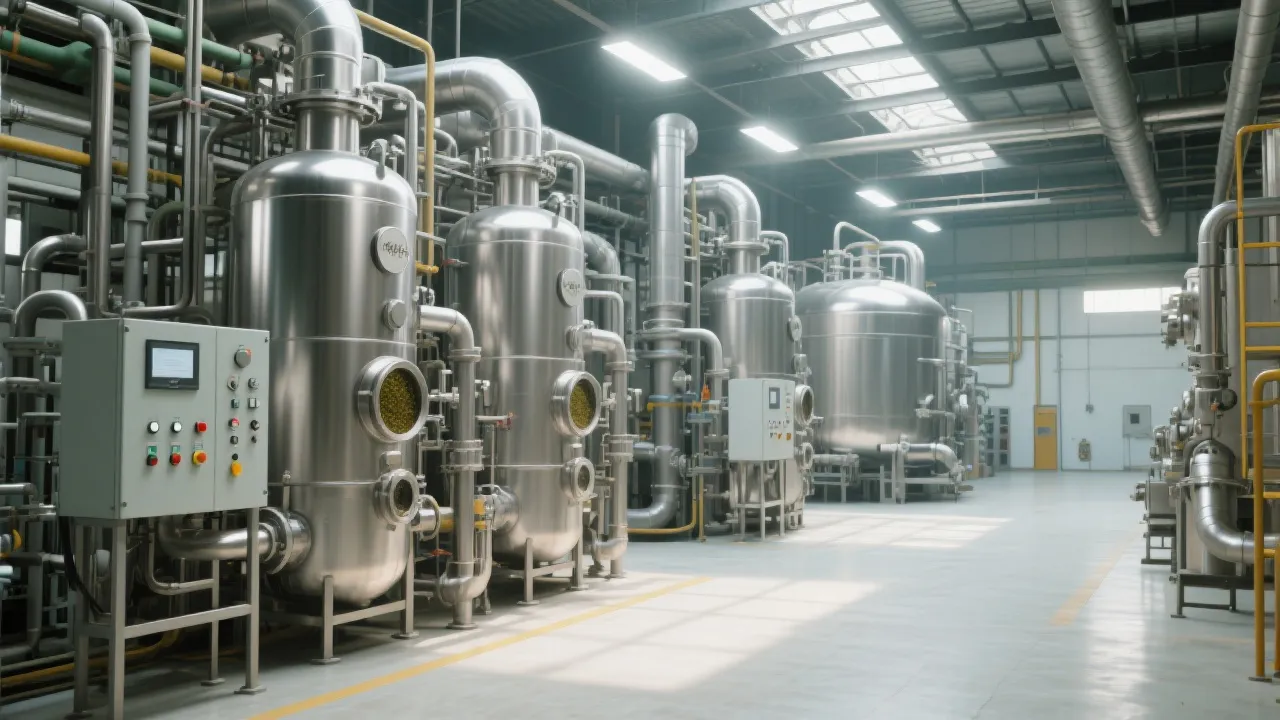
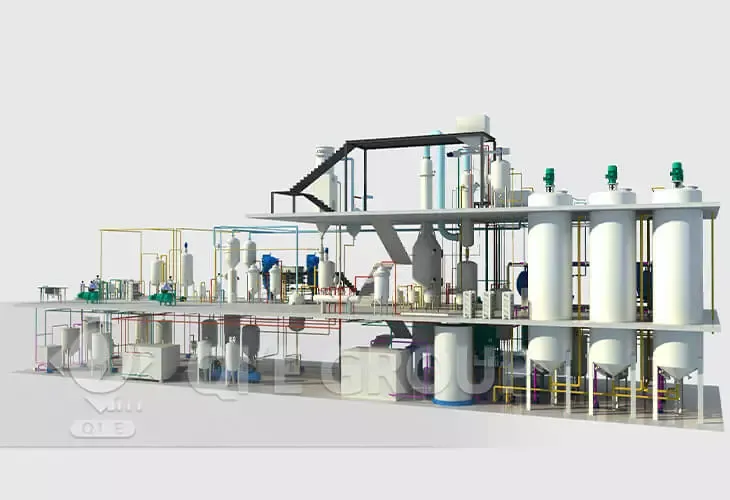
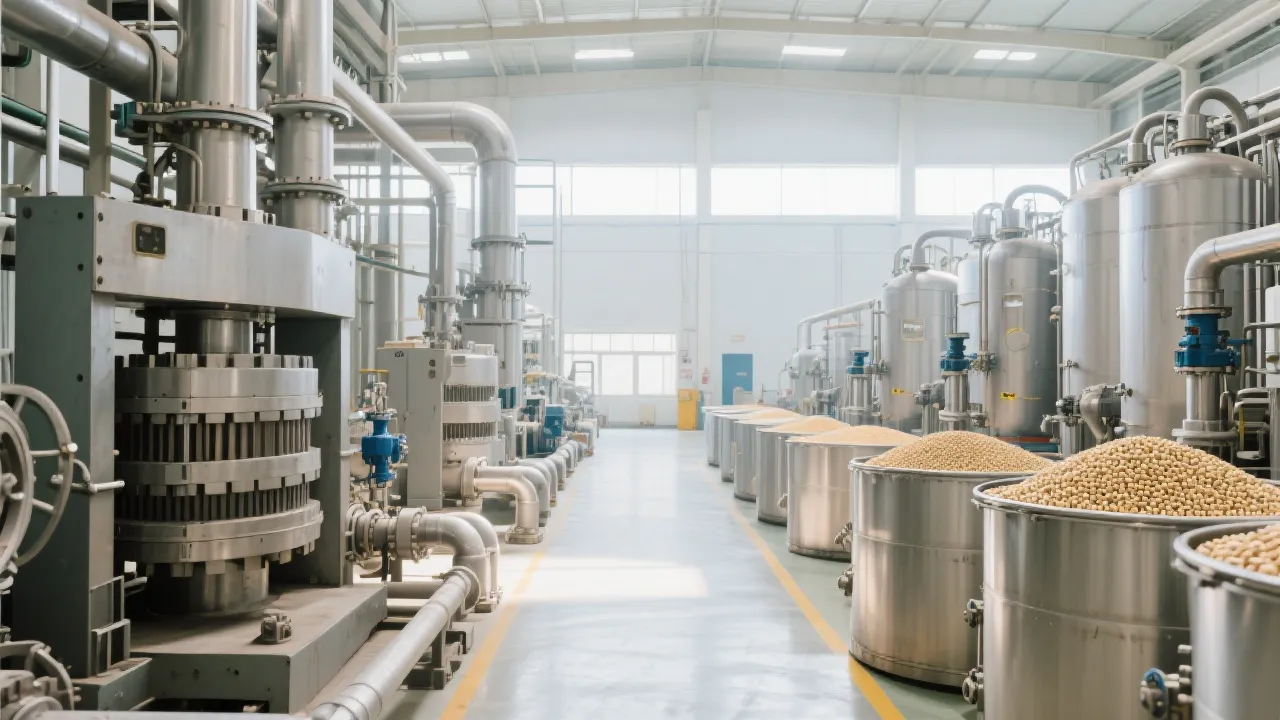
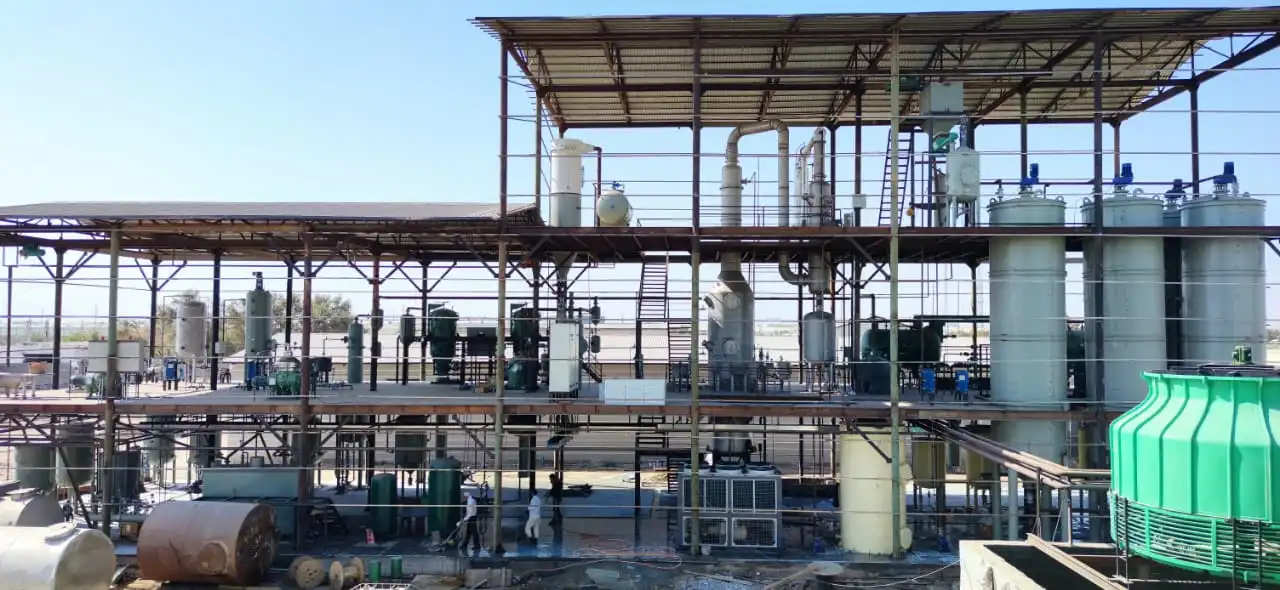
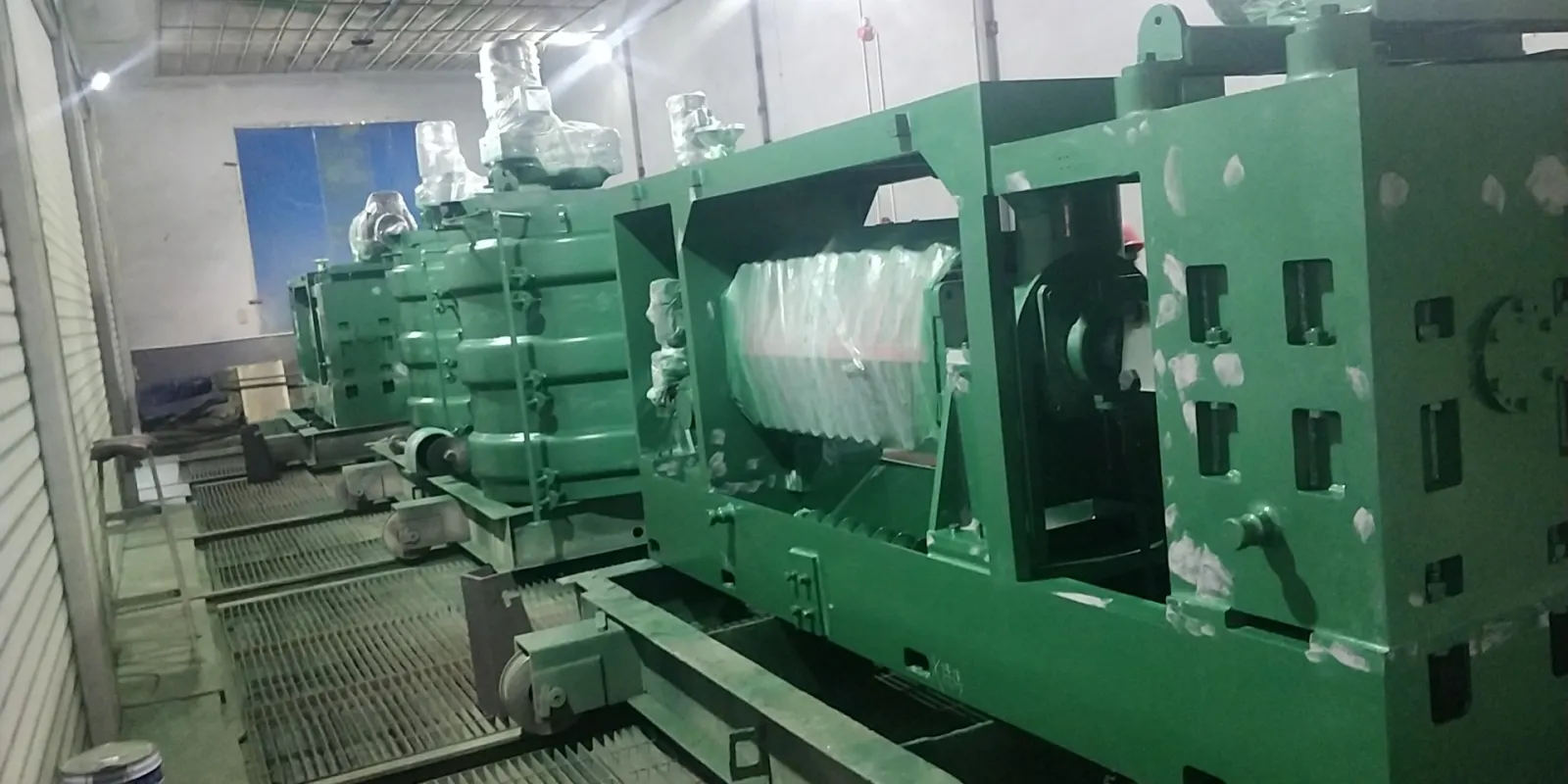
A leading feed producer in Shandong upgraded to a Qingdao Penguin Group solvent extraction unit (ISO-certified) and saw immediate improvements: soybean meal oil content dropped from 4.2% to 1.7%, production capacity increased by 18%, and customer complaints about inconsistent feed quality dropped by 60% within six months.
Is hexane residue safe? Yes—when properly processed, residual levels fall well below WHO limits (<0.5 ppm). Our equipment meets EU and US FDA standards.
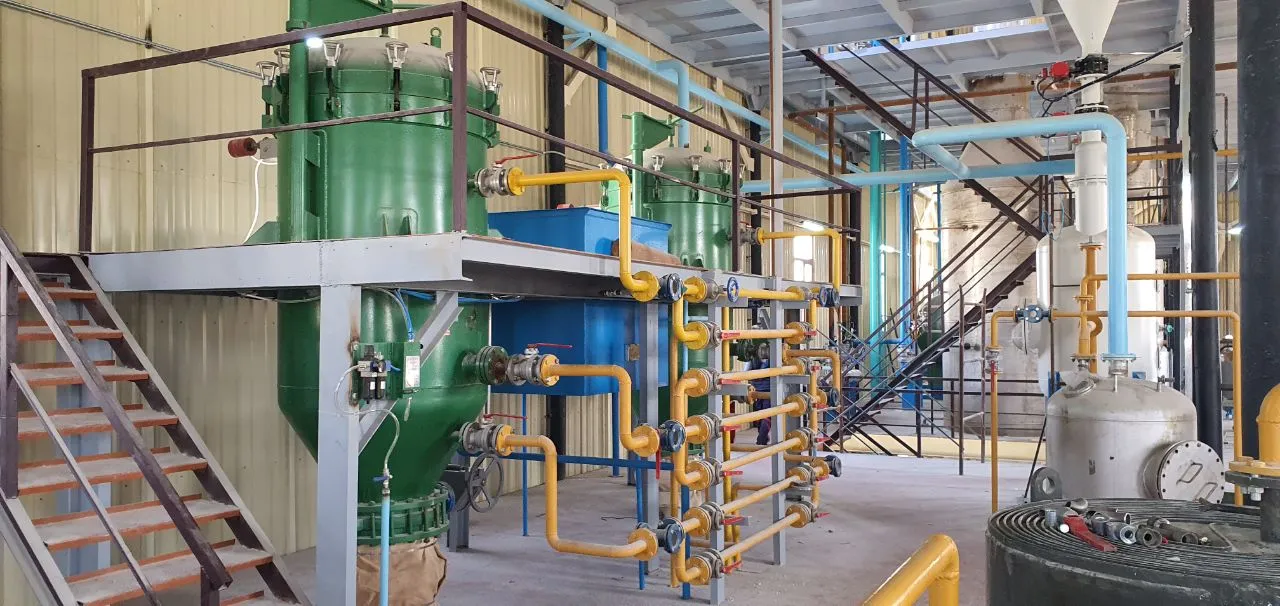
How often should maintenance be scheduled? Monthly checks on solvent seals, pumps, and distillation columns ensure optimal performance and safety.
The future lies in AI-driven process control—real-time monitoring of moisture, temperature, and pressure—to minimize variability. Meanwhile, research into bio-based solvents like ethanol blends shows promise for even greener operations.
Discover how our Qingdao Penguin Group solvent extraction system can help you achieve consistently low-oil soybean meal—efficiently, safely, and sustainably.
Explore the Solution → Soybean oil yield improvement
Automatic filtration press
Process optimization for small and medium-sized oil mills
Crude oil purity
Residual oil rate control
automatic filtration press
continuous soybean oil pressing
oil extraction efficiency
small-medium oil mill upgrade
smart oil extraction technology
soybean oil yield improvement
automated filtration press
small oil mill process optimization
hot and cold pressing technology
oil extraction efficiency
soybean oil refining process
degumming equipment for edible oil
deodorization odor control
small oil plant optimization
emission compliance in food processing
soybean oil press machine
automatic oil extraction system
cold press vs hot press
oil yield optimization
small oil mill equipment
Soybean oil yield improvement
Automatic filtration press
Process optimization for small and medium-sized oil mills
Crude oil purity
Residual oil rate control
automatic filtration press
continuous soybean oil pressing
oil extraction efficiency
small-medium oil mill upgrade
smart oil extraction technology
soybean oil yield improvement
automated filtration press
small oil mill process optimization
hot and cold pressing technology
oil extraction efficiency
soybean oil refining process
degumming equipment for edible oil
deodorization odor control
small oil plant optimization
emission compliance in food processing
soybean oil press machine
automatic oil extraction system
cold press vs hot press
oil yield optimization
small oil mill equipment





.png?x-oss-process=image/resize,h_100,m_lfit/format,webp)
.png?x-oss-process=image/resize,h_100,m_lfit/format,webp)
.png?x-oss-process=image/resize,h_100,m_lfit/format,webp)

.jpg?x-oss-process=image/resize,h_800,m_lfit/format,webp)
