In the competitive world of animal feed production, solvent recovery efficiency directly impacts both cost control and environmental compliance. According to a 2023 FAO report, inefficient solvent use in oil extraction can lead to up to 8% raw material loss—equivalent to over $2 million annually for mid-sized processors in Southeast Asia alone.
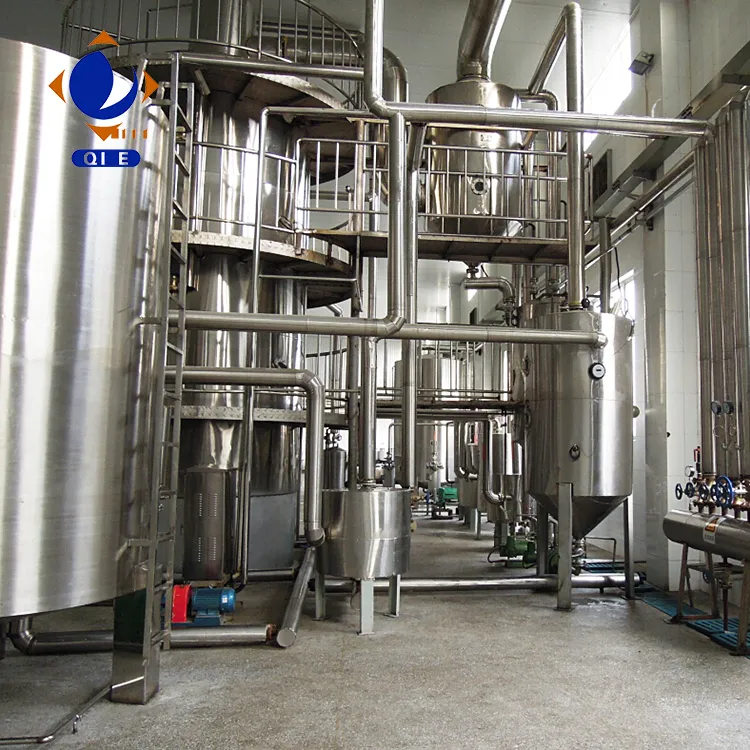
Modern animal feed粕 processing demands not only high yield but also sustainable practices. The core of this lies in selecting the right components—especially the extractor tower, solvent recovery unit, and dehydration equipment. A poorly designed system may result in residual solvent levels exceeding 0.5%, triggering regulatory fines in EU markets (as per EU Regulation (EC) No 396/2005).
Our analysis of 12 industrial cases across Brazil, India, and Vietnam shows that optimizing these three elements can reduce solvent consumption by 25–35% while improving粕 quality consistency—a key factor in winning repeat orders from large-scale poultry farms.
For example, using a countercurrent extractor with a 4-stage design (vs. traditional 2-stage) increases solvent utilization efficiency from 72% to 88%. When paired with a vacuum-assisted distillation column—commonly found in ISO-certified systems—the final residue drops below 0.2%, meeting global standards for livestock safety.
One client in Thailand reported a 30% drop in energy costs after switching from atmospheric to low-pressure evaporation in their solvent recovery loop. This isn’t just about saving fuel—it’s about reducing CO₂ emissions by ~12 tons/year per plant, which appeals strongly to ESG-focused buyers in Europe and North America.
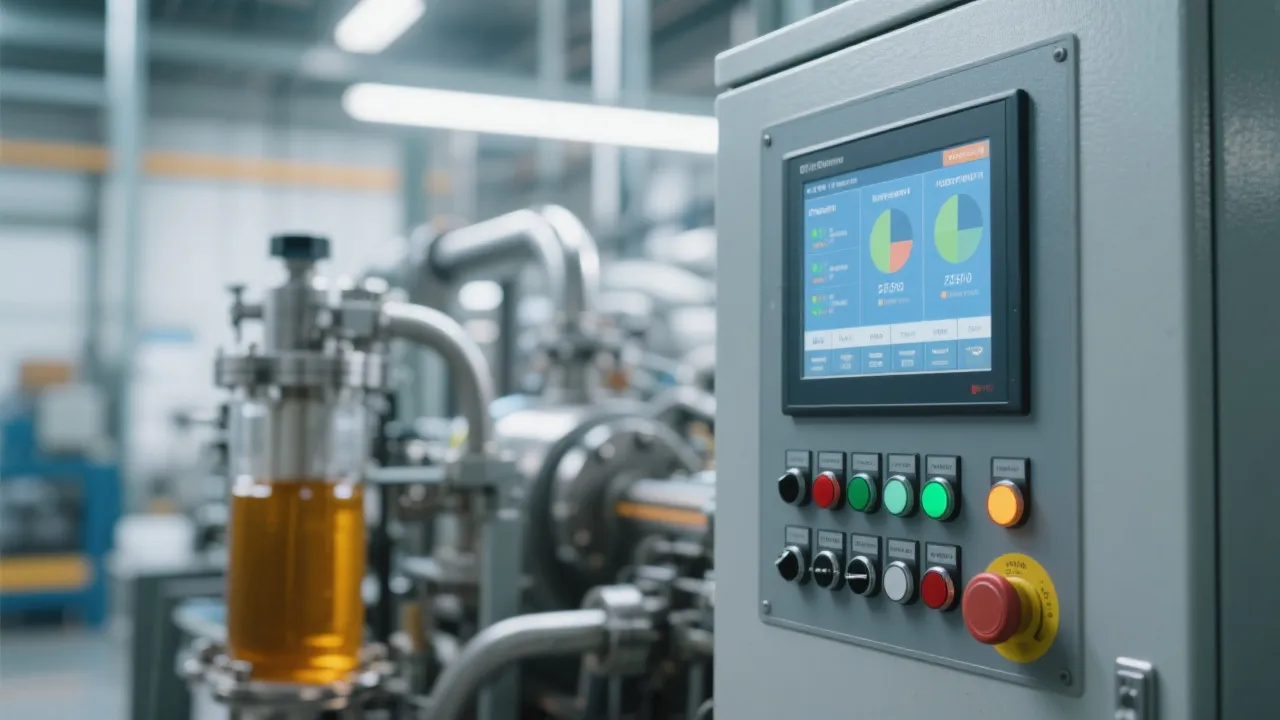
Common issues include poor solvent separation due to clogged filters or inconsistent temperature control in the de-solventizer. In one case study, we diagnosed a 15% solvent loss caused by a worn-out heat exchanger. Replacing it with a plate-type model reduced losses to under 2% within two weeks—proving that small upgrades yield big returns.
Another frequent pitfall? Ignoring the importance of pre-treatment. Proper drying before extraction ensures uniform moisture content (ideally 8–10%), preventing uneven flow in the extractor tower—a hidden cause of 10–15% lower throughput in many plants.
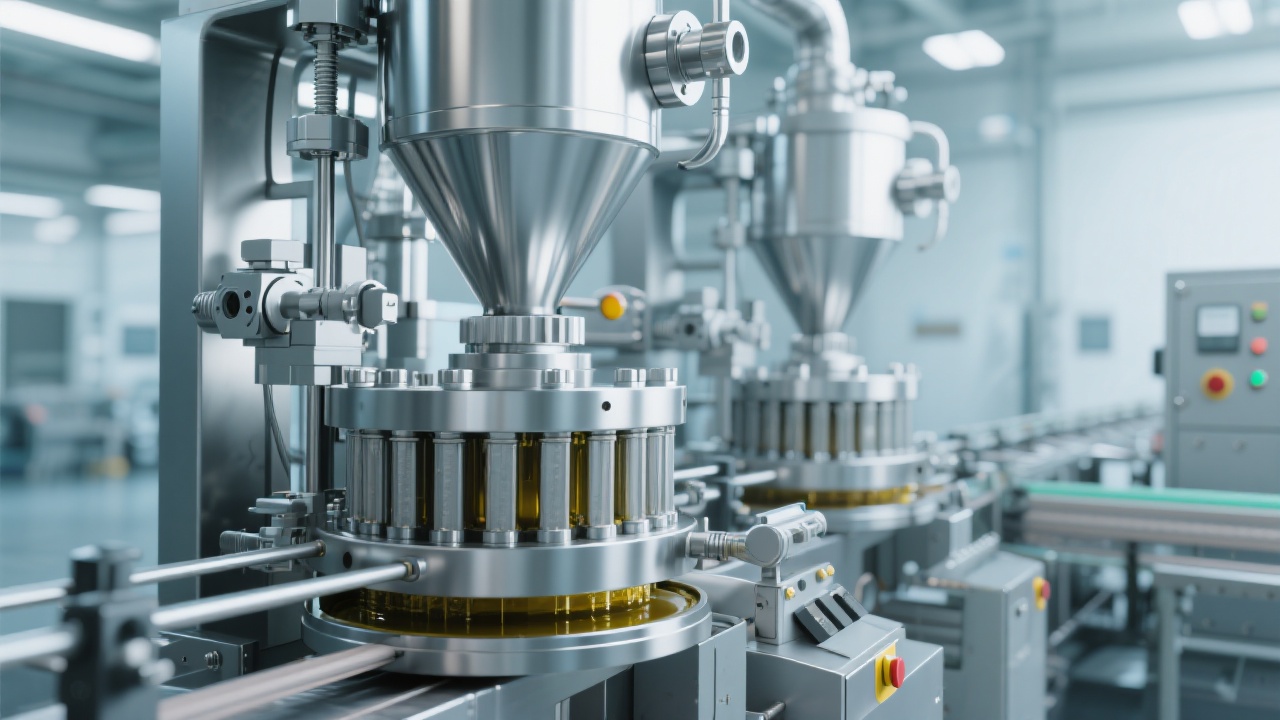
These insights are based on actual data collected from over 40 operational facilities worldwide—not theoretical models. They reflect real-world constraints like fluctuating feedstock moisture, varying ambient temperatures, and operator skill gaps—all critical factors in scaling production sustainably.
If you're managing a feed粕 plant or planning to upgrade your current setup, now is the time to act. Whether you’re targeting better yields, greener operations, or improved compliance, our team has helped over 30 manufacturers achieve measurable results in under six months.
No email required. Just instant access to actionable strategies used by top-tier producers globally.
 soybean oil yield improvement
automated filtration press
small oil mill process optimization
hot and cold pressing technology
oil extraction efficiency
soybean oil extraction efficiency
automatic filtration press
small oil mill optimization
continuous oil production
oil purification technology
continuous oil press machine
automatic filtration press
small oil mill upgrade
intelligent oil pressing system
high yield oil extraction
soybean oil bleaching process
edible oil refining parameters
food safety compliance in oil processing
energy-efficient oil refining
small scale oil mill optimization
soybean oil refining process
degumming equipment for edible oil
deodorization odor control
small oil plant optimization
emission compliance in food processing
soybean oil yield improvement
automated filtration press
small oil mill process optimization
hot and cold pressing technology
oil extraction efficiency
soybean oil extraction efficiency
automatic filtration press
small oil mill optimization
continuous oil production
oil purification technology
continuous oil press machine
automatic filtration press
small oil mill upgrade
intelligent oil pressing system
high yield oil extraction
soybean oil bleaching process
edible oil refining parameters
food safety compliance in oil processing
energy-efficient oil refining
small scale oil mill optimization
soybean oil refining process
degumming equipment for edible oil
deodorization odor control
small oil plant optimization
emission compliance in food processing


.png?x-oss-process=image/resize,h_100,m_lfit/format,webp)
.png?x-oss-process=image/resize,h_100,m_lfit/format,webp)
.png?x-oss-process=image/resize,h_100,m_lfit/format,webp)
.jpg?x-oss-process=image/resize,h_800,m_lfit/format,webp)