
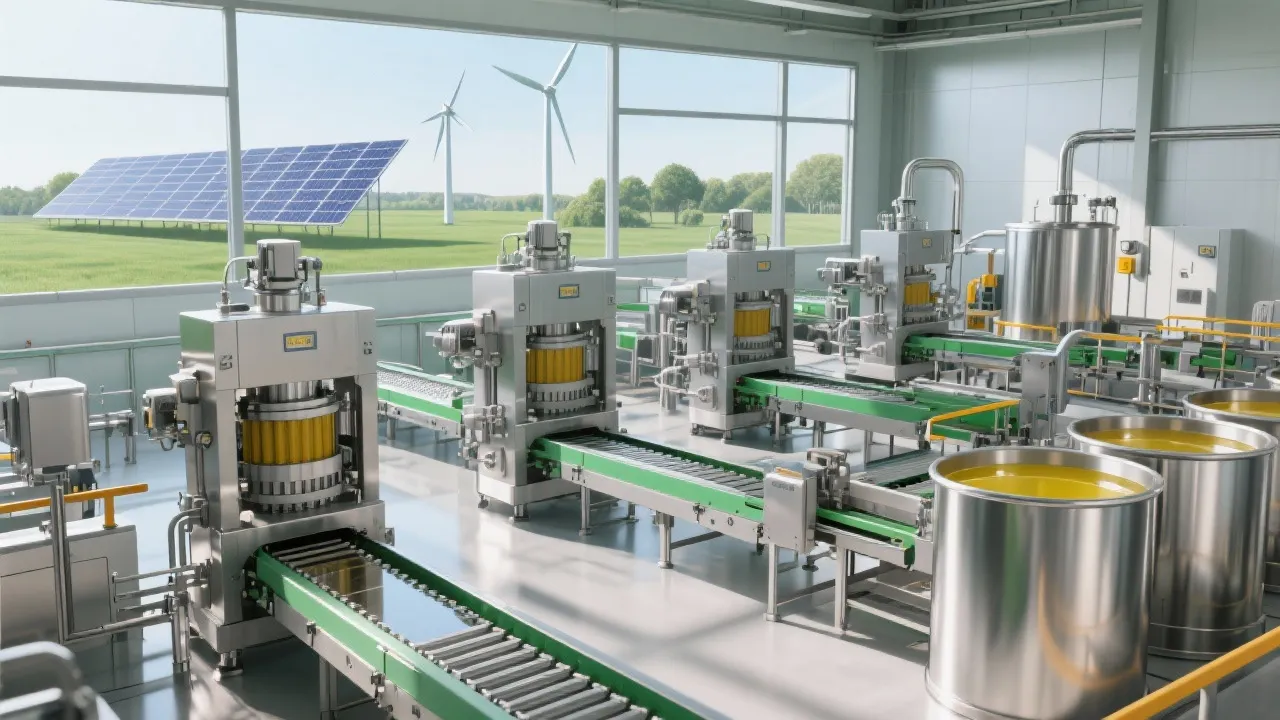
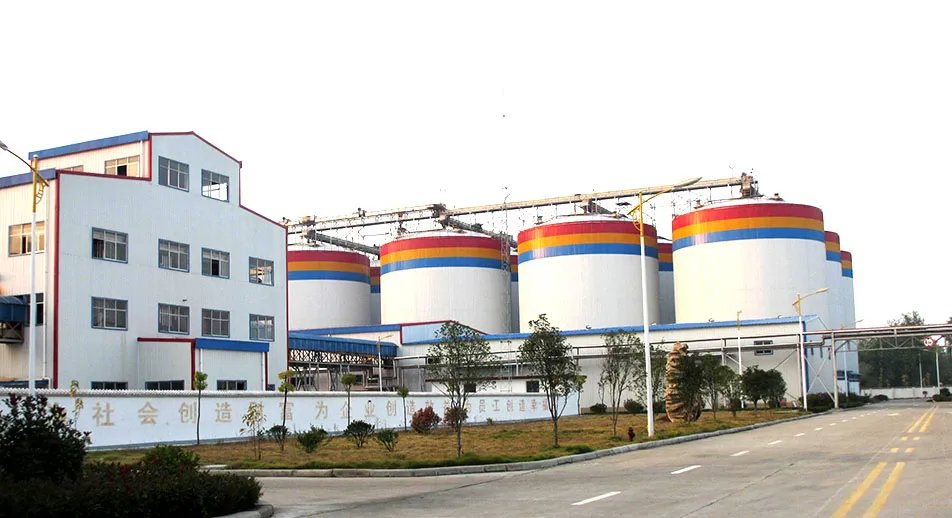
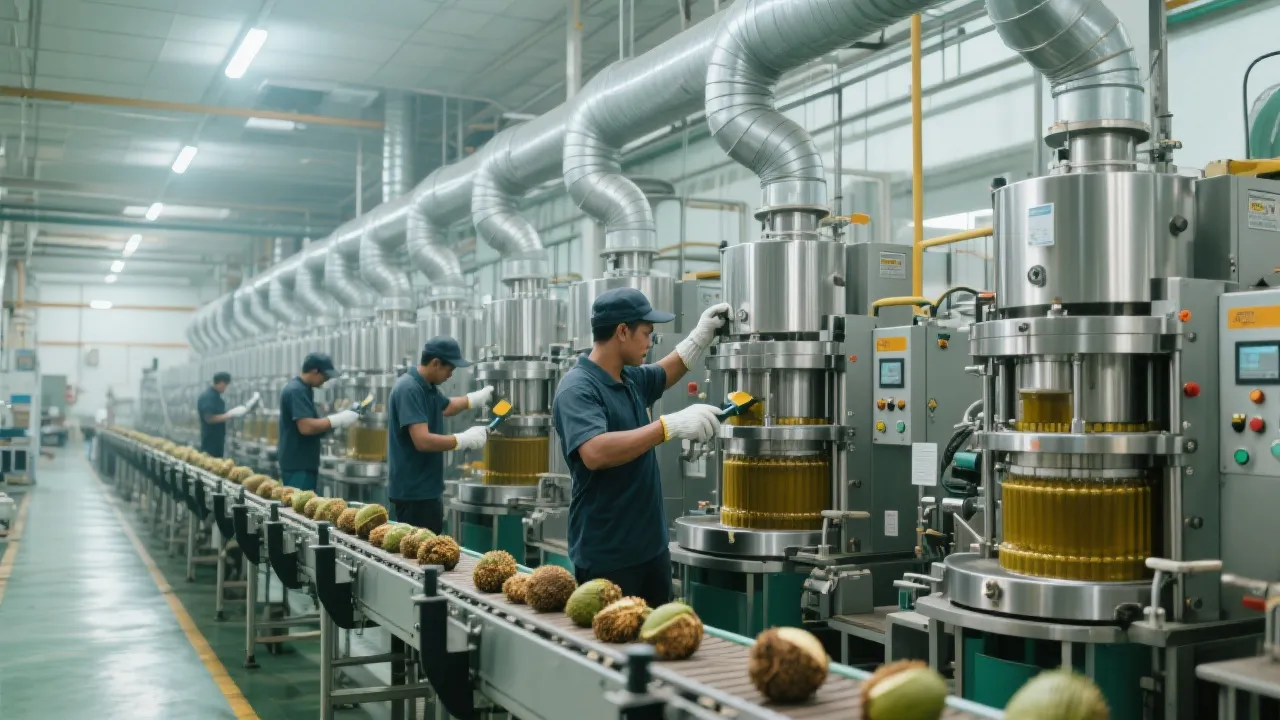
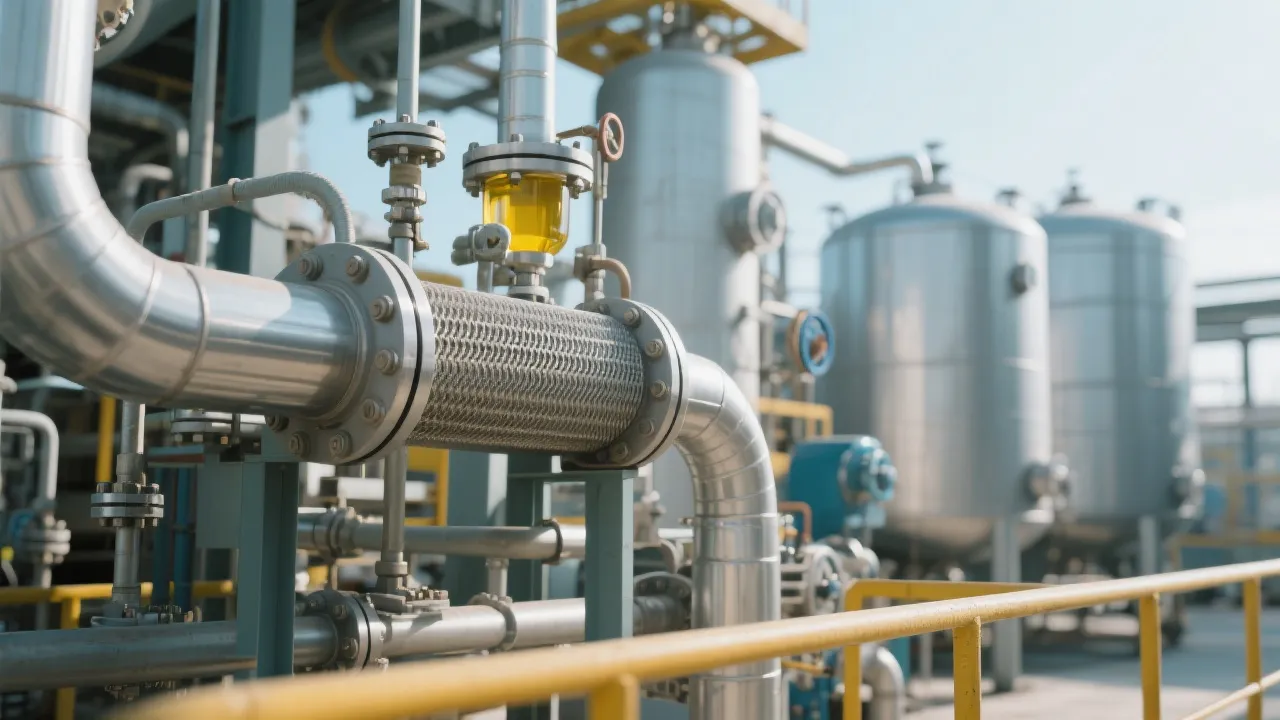
As global demand for high-quality animal feed rises—driven by growing livestock industries in Asia, Latin America, and Africa—feed processors are under increasing pressure to improve efficiency while reducing environmental impact. One of the most effective strategies? Optimizing solvent extraction technology, particularly through advanced solvent recovery systems.
The solvent extraction process uses hexane (a highly selective organic solvent) to efficiently remove oil from soybeans or other oilseeds, yielding a low-oil meal typically containing just 1–2% residual fat—a critical benchmark for premium animal feed. According to the FAO’s 2023 Feed Industry Report, this method can extract up to 98% of available oil, significantly outperforming mechanical pressing alone.
But here's where many operations fall short: without proper solvent recovery, losses can exceed 5% of total solvent usage per batch—costing an average of $400–$700 per ton of meal produced. That’s not just waste—it’s wasted profit.
A well-designed solvent recovery system recovers over 95% of hexane, translating into measurable ROI:
In practice, companies like China’s SinoAgriTech have seen their solvent consumption drop from 2.3 kg/ton to 1.1 kg/ton after retrofitting with modern condensation-based recovery units—boosting both margins and sustainability credentials.
Key optimization levers include:
Common pitfalls? Poor sealing leading to leaks, or outdated heat exchangers that reduce recovery efficiency below 85%. These issues often go unnoticed until production costs spike—or regulators take notice.
If you’re evaluating solvent recovery solutions—or already implementing them—consider how your current setup stacks up against industry benchmarks. The gap between “good enough” and “optimized” is often smaller than you think.
Engineered for feed mills, these systems deliver consistent performance, regulatory compliance, and real cost savings.
See How It Works →Got questions about solvent recovery efficiency, integration timelines, or customization options? Drop us a line—we’re happy to share insights based on actual plant data and operational experience.
 soybean oil refining equipment
energy-efficient oil processing machinery
food-grade stainless steel equipment
CE certified oil machinery
modular oil refinery systems
fully automatic soybean oil press
filter selection guide
hydraulic system adjustment
temperature control module usage
small oil mill equipment operation
304 stainless steel soybean oil refiner
efficient edible oil refining equipment
modular oil refining system
CE certified oil processing machine
ISO9001 compliant food-grade equipment
Soybean oil yield improvement
Automatic filtration press
Small and medium - sized oil mill process optimization
Oil filtration system
Residual oil rate reduction
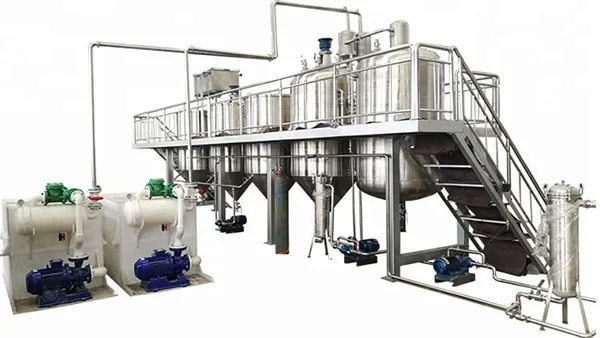
solvent extraction method
high-protein feed原料
soybean meal processing
solvent recovery system
animal feed production
soybean oil refining equipment
energy-efficient oil processing machinery
food-grade stainless steel equipment
CE certified oil machinery
modular oil refinery systems
fully automatic soybean oil press
filter selection guide
hydraulic system adjustment
temperature control module usage
small oil mill equipment operation
304 stainless steel soybean oil refiner
efficient edible oil refining equipment
modular oil refining system
CE certified oil processing machine
ISO9001 compliant food-grade equipment
Soybean oil yield improvement
Automatic filtration press
Small and medium - sized oil mill process optimization
Oil filtration system
Residual oil rate reduction
solvent extraction method
high-protein feed原料
soybean meal processing
solvent recovery system
animal feed production






.png?x-oss-process=image/resize,h_100,m_lfit/format,webp)
.png?x-oss-process=image/resize,h_100,m_lfit/format,webp)
.png?x-oss-process=image/resize,h_100,m_lfit/format,webp)
.jpg?x-oss-process=image/resize,h_800,m_lfit/format,webp)

.jpg?x-oss-process=image/resize,h_800,m_lfit/format,webp)
