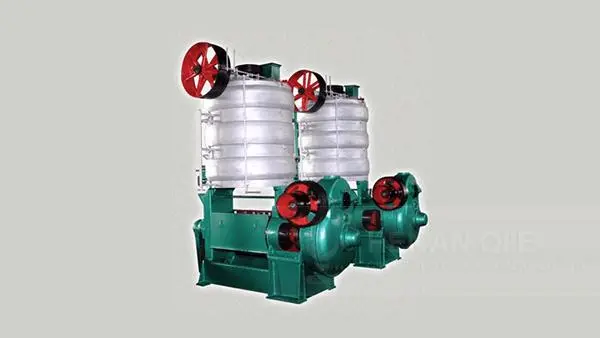
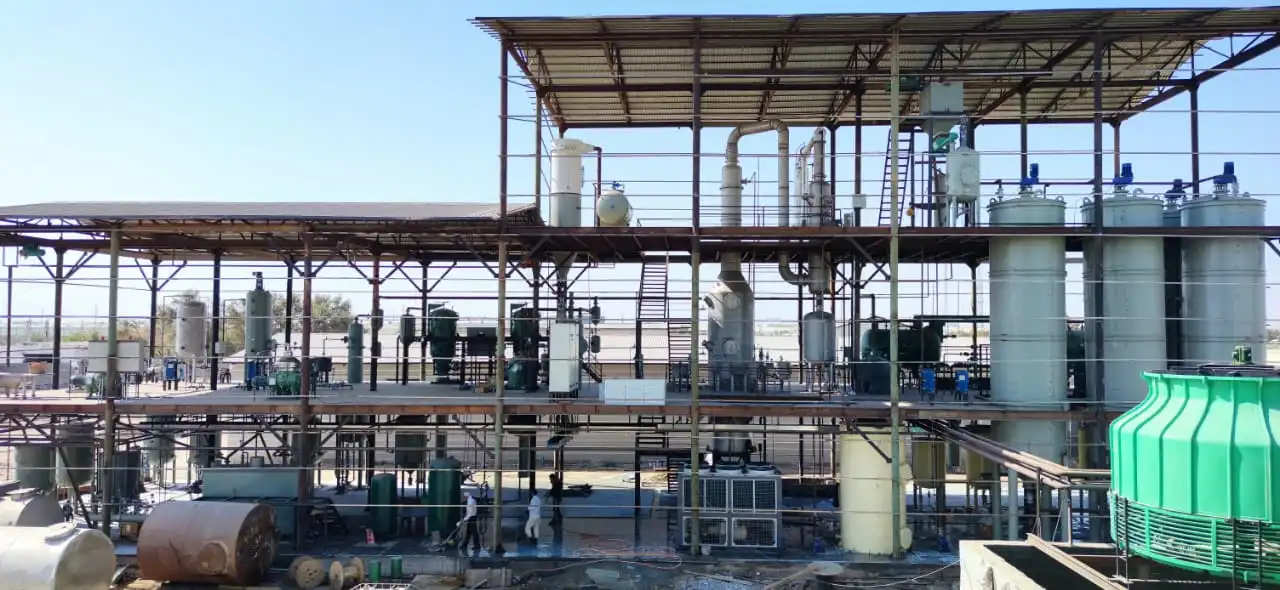
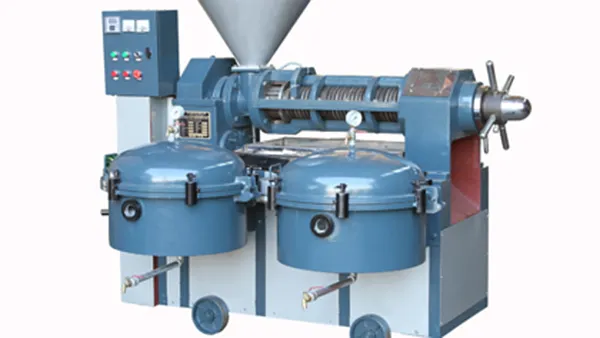
For animal feed producers using solvent extraction to process soybeans, achieving efficient solvent recovery isn’t just about cost savings—it’s a critical factor in product quality, safety compliance, and environmental responsibility. This guide walks you through the key layout strategies from extraction to desolventizing, with actionable steps based on real-world performance data.
The core of any high-performing system lies in how its components—extraction tower, condenser unit, and desolventizer—are integrated. In typical setups, solvent loss can range between 0.8–1.5% per batch if not properly optimized. Our case study at a mid-sized feed mill in Brazil showed that by reconfiguring the cooling loop and adding a secondary condenser stage, they reduced solvent losses from 1.4% to 0.6%, saving over $25K annually without capital investment.
Industry Insight: According to ISO 17123-2 (2021), optimal solvent recovery should maintain residual oil in deoiled meal below 2%. Systems with poor thermal integration often exceed this threshold due to incomplete desolventizing.
Many operators face two recurring issues: excessive solvent carryover and inconsistent moisture content in final products. Here’s what works:
Automation also plays a role: PLC-controlled temperature and pressure feedback loops reduce operator variance, leading to consistent bean cake oil content between 1.2% and 1.8%—well within industry norms.
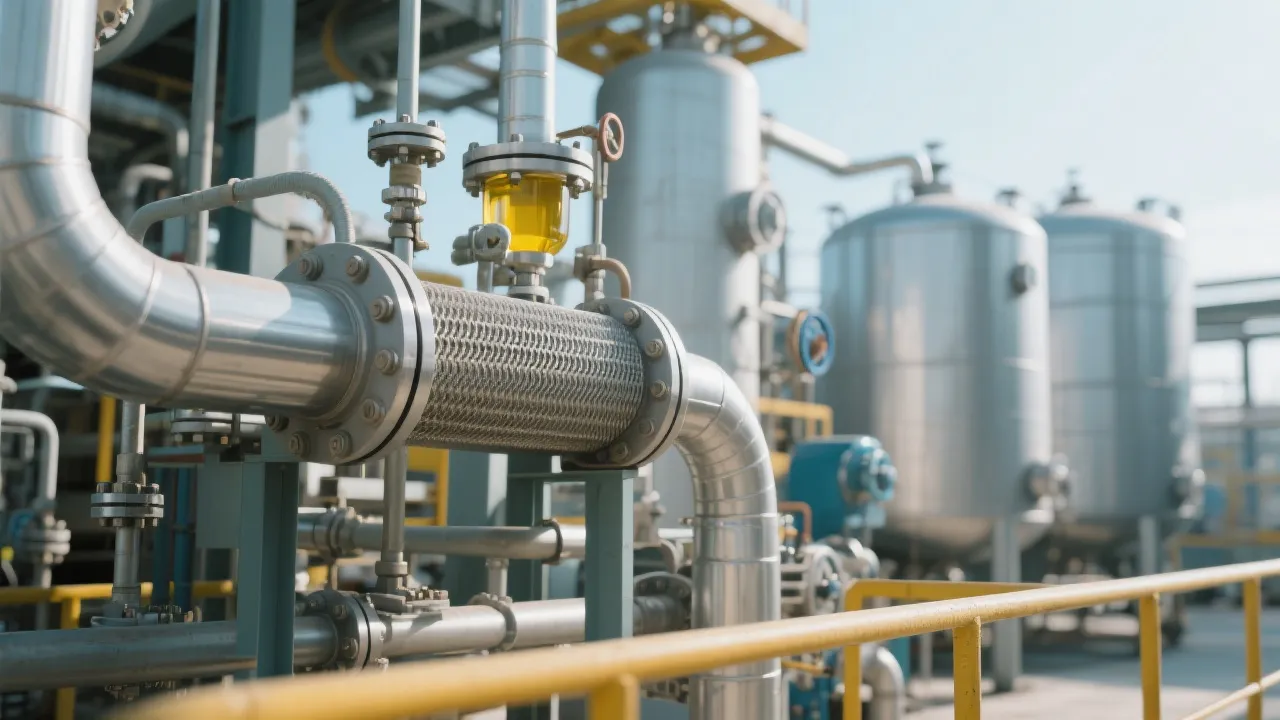
A poorly arranged system increases energy use and risk. For example, placing the condenser too far from the extractor causes vapor pressure drops, increasing pumping costs by 15–20%. Conversely, a compact, modular setup reduces piping length and heat loss while improving maintenance access.
Pro tip: Always align equipment along the natural gravity flow path—this minimizes mechanical stress and extends component life. One client in India reported a 30% reduction in downtime after redesigning their layout around this principle.
Monitor condenser efficiency monthly via pressure drop readings. If delta-P exceeds 15 kPa, clean or replace coils. Also, inspect valves for leaks—these are often the source of unexplained solvent loss.
These insights aren't theoretical—they’re battle-tested in production lines across North America, Southeast Asia, and Europe. Whether you're upgrading an existing system or designing new capacity, these principles will help you avoid common pitfalls and maximize ROI.
Download our free technical manual: “Solvent Recovery Optimization Checklist for Animal Feed粕 Plants” — packed with diagrams, maintenance schedules, and real-world examples.
Get the Free Technical Manual Now Soybean oil yield improvement
Automatic filtration press
Process optimization for small and medium-sized oil mills
Crude oil purity
Residual oil rate control
304 stainless steel refining equipment
soybean oil refining process
modular oil plant machinery
CE certified edible oil equipment
energy-efficient oil refining systems
soybean oil refining equipment
automatic degumming and deodorization
edible oil refining technology
full-automatic oil refining line
oil quality improvement
soybean oil degumming process
oil refining techniques for small mills
food-grade oil purification
energy-efficient oil refining
phospholipid removal in soybean oil
Continuous pressing line
Soybean oil press
Automatic filtration system
Upgrade of small and medium-sized oil mills
Intelligent grain and oil equipment
Soybean oil yield improvement
Automatic filtration press
Process optimization for small and medium-sized oil mills
Crude oil purity
Residual oil rate control
304 stainless steel refining equipment
soybean oil refining process
modular oil plant machinery
CE certified edible oil equipment
energy-efficient oil refining systems
soybean oil refining equipment
automatic degumming and deodorization
edible oil refining technology
full-automatic oil refining line
oil quality improvement
soybean oil degumming process
oil refining techniques for small mills
food-grade oil purification
energy-efficient oil refining
phospholipid removal in soybean oil
Continuous pressing line
Soybean oil press
Automatic filtration system
Upgrade of small and medium-sized oil mills
Intelligent grain and oil equipment





.png?x-oss-process=image/resize,h_100,m_lfit/format,webp)
.png?x-oss-process=image/resize,h_100,m_lfit/format,webp)
.png?x-oss-process=image/resize,h_100,m_lfit/format,webp)