
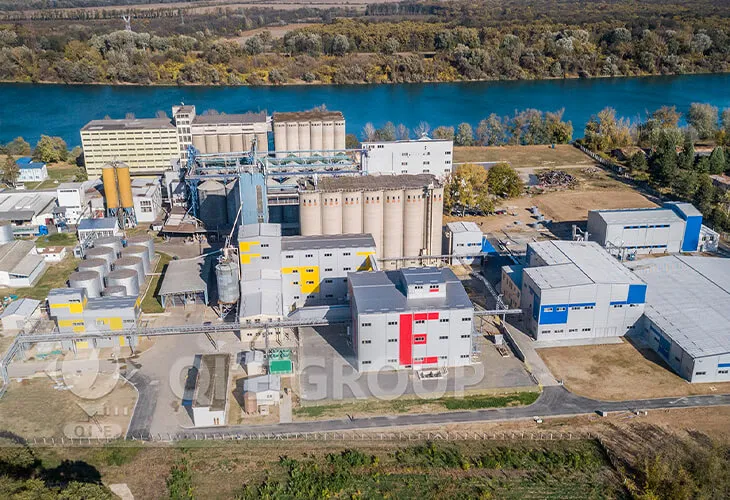
In today's increasingly eco-conscious global feed industry, solvent extraction stands at the forefront of innovation, offering an optimal balance between efficiency, environmental stewardship, and cost control. Specifically, hexane-based solvent extraction for soybean meal production has revolutionized traditional methods by dramatically reducing residual oil content while maximizing solvent recovery and sustainability. This article offers a comprehensive examination of the core technologies enabling this transformation, essential for exporters and feed producers aiming to align with green manufacturing trends and optimize operational costs.
Hexane’s chemical properties make it the solvent of choice for oil extraction from oilseeds like soybeans. Its strong lipophilic affinity allows efficient penetration and dissolving of oil molecules, facilitating extraction rates exceeding 98%. Compared to traditional mechanical pressing which often leaves 8%–10% residual oil, hexane solvent extraction lowers this to between 1% and 2%, significantly improving feed nutritional value by removing nearly all excess oil.
Process parameters including temperature, solvent-to-solid ratio, and extraction time are critical levers to enhance solvent extraction performance:
Comparative studies indicate that hexane solvent extraction reduces soybean meal residual oil content from traditional pressing levels of 8-10% down to 1-2% consistently:
| Extraction Method | Residual Oil Content (%) |
|---|---|
| Mechanical Pressing | 8-10% |
| Hexane Solvent Extraction | 1-2% |
Solvent recovery is a cornerstone of sustainable solvent extraction. Modern recovery units utilize distillation columns and condensers that achieve hexane reclamation rates exceeding 95%, diminishing both operating costs and environmental footprint. Key benefits include:
A leading soybean meal exporter integrated a hexane extraction system coupled with solvent recovery technology, resulting in:
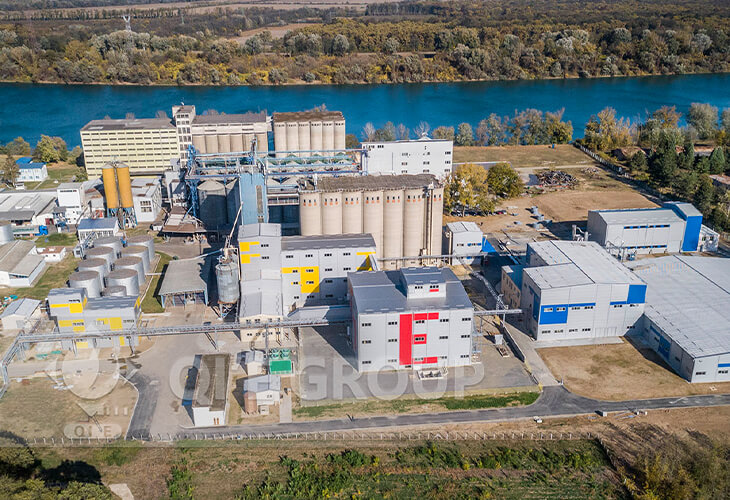
Forward-thinking feed producers are embracing Industry 4.0 by integrating IoT sensors, AI-powered process controls, and energy-efficient designs into solvent extraction lines. These advancements promise:
For exporters, leveraging these developments can be a differentiator in competitive international markets, enhancing sustainability credentials alongside economic gains.
Are you ready to elevate your feed meal product quality and operational efficiency with advanced solvent extraction and recovery technology? Discover how our flagship solvent extraction equipment empowers your export business today.
How has your enterprise adapted solvent recovery solutions for sustainability and cost control? Share your experiences or challenges in the comments below!
 continuous oil press line
automated filtration system
intelligent control system
small and medium oil mill
oil extraction efficiency
soybean oil yield improvement
automated filtration press
small oil mill process optimization
hot and cold pressing technology
oil extraction efficiency
soybean oil solvent extraction system
solvent recovery optimization
desolventizing equipment
animal feed meal processing
hexane recycling
Soybean oil yield improvement
Automatic filtration press
Technological optimization for small and medium-sized oil mills
Differences between hot and cold pressing
Oil pressing efficiency
Animal feed meal solvent extraction equipment
ISO 9001 certification
Soybean oil extraction equipment
Control of oil content in soybean meal
After - sales service for grain and oil machinery
continuous oil press line
automated filtration system
intelligent control system
small and medium oil mill
oil extraction efficiency
soybean oil yield improvement
automated filtration press
small oil mill process optimization
hot and cold pressing technology
oil extraction efficiency
soybean oil solvent extraction system
solvent recovery optimization
desolventizing equipment
animal feed meal processing
hexane recycling
Soybean oil yield improvement
Automatic filtration press
Technological optimization for small and medium-sized oil mills
Differences between hot and cold pressing
Oil pressing efficiency
Animal feed meal solvent extraction equipment
ISO 9001 certification
Soybean oil extraction equipment
Control of oil content in soybean meal
After - sales service for grain and oil machinery





.png?x-oss-process=image/resize,h_100,m_lfit/format,webp)
.png?x-oss-process=image/resize,h_100,m_lfit/format,webp)
.png?x-oss-process=image/resize,h_100,m_lfit/format,webp)



.jpg?x-oss-process=image/resize,h_800,m_lfit/format,webp)
